U.S. Secretary of State Marco Rubio will begin a two-day visit to Slovakia and Hungary on Sunday (15 February), aimed at strengthening ties with the two Central European nations, whose leaders have maintained close relations with President Donald Trump.
Rubio will use the trip to discuss energy cooperation and bilateral issues, including NATO commitments, the State Department said in an announcement last week.
"These are countries that are very strong with us, very cooperative with the United States, work very closely with us, and it's a good opportunity to go see them and two countries I've never been in," Rubio told reporters before departing for Europe on Thursday.
Rubio, who also serves as Trump’s national security adviser, will meet in Bratislava on Sunday with Slovak Prime Minister Robert Fico, who visited Trump in Florida last month.
The U.S. diplomat's trip follows his participation in the Munich Security Conference over the last few days.
On Monday, Rubio is expected to meet Hungarian Prime Minister Viktor Orbán, who is trailing in most opinion polls ahead of an election in April, when he could face removal from office.
"The President said he's very supportive of him, and so are we," Rubio said. "But obviously we were going to do that visit as a bilateral visit."
Relations with Moscow and the EU
Both Fico and Orbán have clashed with European Union institutions over probes into alleged democratic backsliding.
They have also maintained ties with Moscow, at times criticising or delaying the imposition of European Union sanctions on Russia, and have opposed sending military aid to Ukraine.
Even as other European Union countries have secured alternative energy supplies after Moscow invaded Ukraine in 2022, including by buying U.S. natural gas, Slovakia and Hungary have also continued to buy Russian gas and oil, a practice the United States has criticised.
Rubio said the issue would be discussed during his brief tour but did not provide further details.
Fico has, however, refused to increase expenditure beyond that level for now, despite Trump repeatedly urging all NATO members to raise military spending to 5%.
Hungary has also set its defence spending at 2% of GDP in this year’s budget.
On nuclear cooperation, Slovakia signed an agreement with the United States last month and Fico has said U.S.-based Westinghouse was likely to build a new nuclear power plant.
He also said, after meeting the head of France’s nuclear engineering company Framatome this week, that he would welcome more companies taking part in the project.
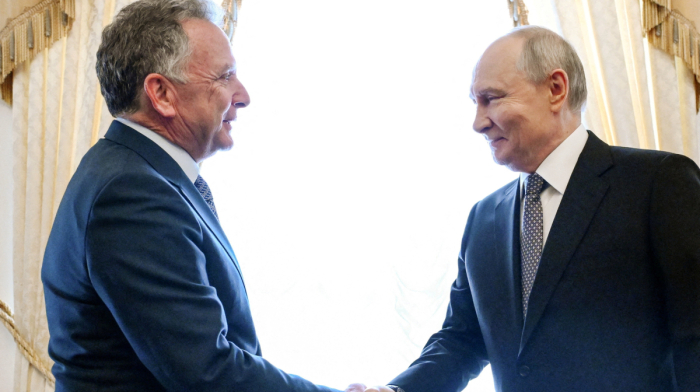
Russia is willing in principle to resume peace talks with Ukraine and the United States in November, Kremlin aide Yuri Ushakov said after President Vladimir Putin met U.S. special envoy Steve Witkoff in St Petersburg.
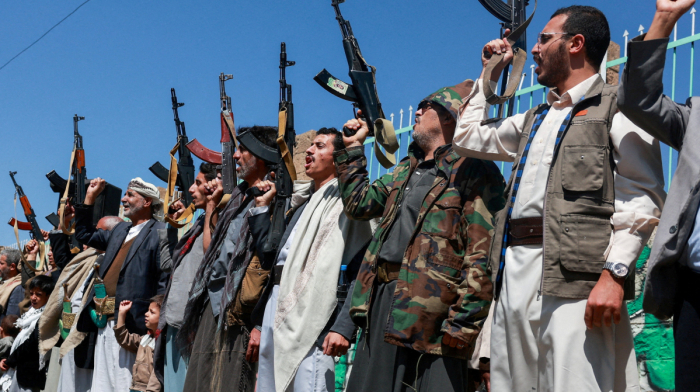
Saudi Aramco has ordered staff to evacuate its headquarters amid escalating Houthi attacks on the kingdom. Two people were killed in an attack on Dammam airport, while Iran's IRGC Navy claimed strikes on seven vessels and warned the U.S. of a wider response.
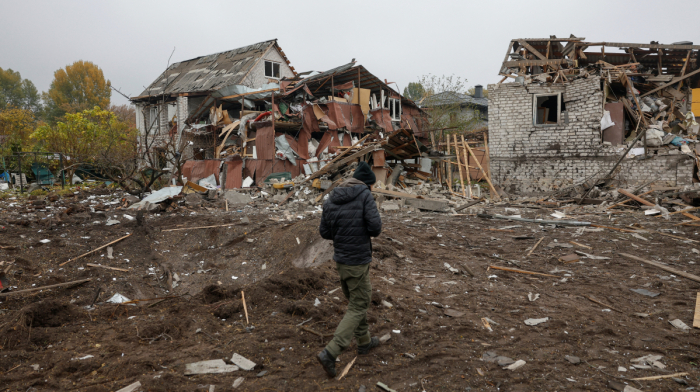
Russian strikes on Ukraine overnight killed at least two people and injured 15 others, including two children, Ukrainian authorities said. Meanwhile, Russia said it had intercepted the vast majority of 630 Ukrainian drones launched towards Moscow.
Yemen's Houthis have denied targeting the holy city of Medina on Wednesday adding that they have not conducted any military operations towards Saudi Arabia either, denying earlier comments from the Saudi-led coalition in Yemen.
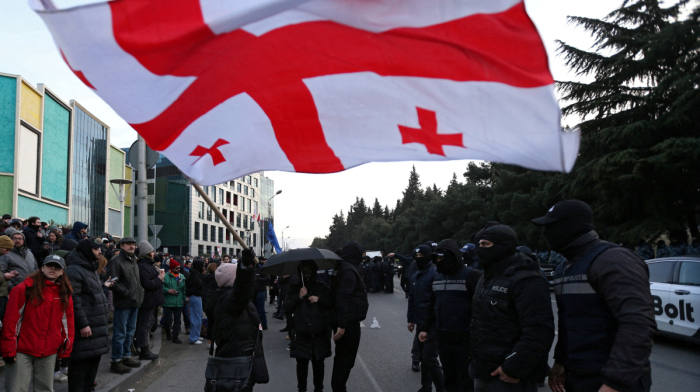
Georgia’s Constitutional Court in Batumi will on Wednesday hear a lawsuit seeking to ban five Georgian opposition parties, four of which collectively gained 784,820 votes (37.79 per cent) in the country’s last national elections in 2024.
Russian strikes on Ukraine overnight killed at least two people and injured 15 others, including two children, Ukrainian authorities said. Meanwhile, Russia said it had intercepted the vast majority of 630 Ukrainian drones launched towards Moscow.
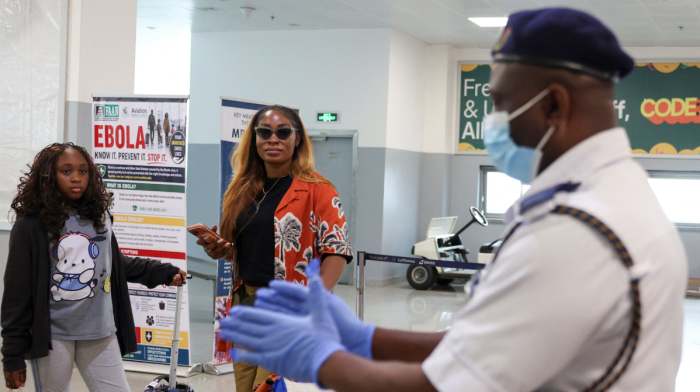
Nigeria's first Ebola case in more than a decade may be linked to travel in Uganda, Swiss authorities said on Thursday, although the source of infection remains unclear. Uganda maintains it has no cases of the disease.
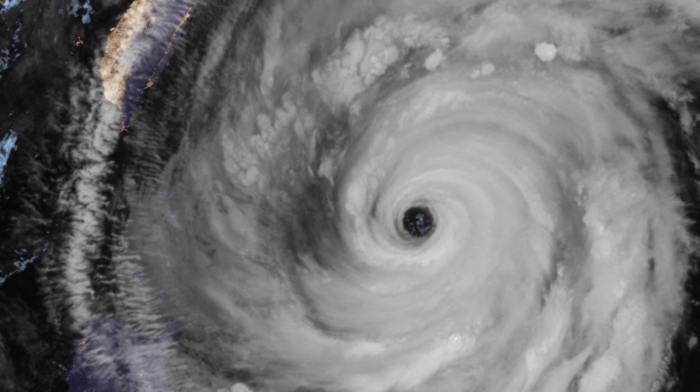
Super typhoon Champi is set to batter Japan’s Okinawa Prefecture from Friday (23 October), bringing violent winds, torrential rain and waves up to 11 metres high, as airlines cancel flights and organisers scrap a major festival.
Two women from Austria and Switzerland have been freed after lengthy periods in captivity in Niger, following extensive diplomatic efforts to secure their release amid growing concerns over kidnappings in the Sahel region.
France has reported its first known human case of Shamonda virus following the death of an infected patient, authorities said on Thursday (22 October). The virus, typically found in livestock, is believed to have been transmitted by a biting midge.
Download the AnewZ app
You can download the AnewZ application from Play Store and the App Store.










What is your opinion on this topic?
Leave the first comment