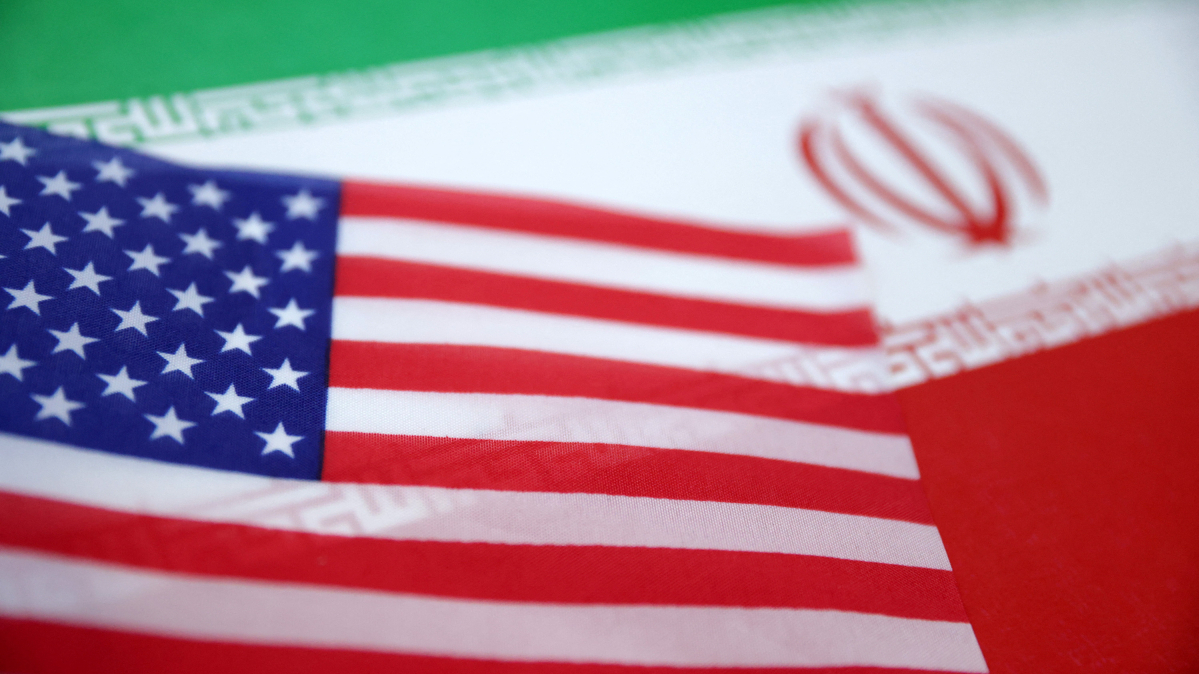
Iran’s top diplomat Abbas Araghchi said Tehran has resumed negotiations with Washington "with seriousness and open eyes," stressing that progress depends on genuine commitment from the U.S. Meanwhile, security chief Ali Larijani warned that Israel is seeking to derail the newly resumed talks.
"We have now entered a new negotiation process. If we see seriousness from the other side, Iran is also completely serious and we will move forward on this path," he said after a meeting with Commander-in-Chief of the Iranian Army Major General Amir Hatami on Tuesday.
“But we will take this path with open eyes, in view of all past experiences, without trusting the other side and with the support of the armed forces,” a Foreign Ministry statement quoted him as saying, referring to the Israel-US invasion of Iran in the middle of nuclear talks last July.
General Mousavi said Iran is fully prepared and added, “We know that the enemy only understands the language of power and learned it in the 12-day war in June 2025.”
“Today, we are at a higher level of defensive readiness and if enemies make a mistake, they will definitely receive a response that they have neither seen nor experienced to this day,” he said.
Seeking a 'fair and equitable' agreement
Following the Iran-US talks last Friday in Oman, Araghchi has held phone contacts with his counterparts from the regional countries including Egypt, Saudi Arabia and Turkiye.
On Tuesday, he had a phone call with Pakistani Deputy Prime Minister and Foreign Minister Mohammad Ishaq Dar during which he explained Iran’s position regarding a “fair and equitable” nuclear agreement.
“In this call, Mr Araghchi explained the process of indirect negotiations between Iran and the United States in Muscat and explained our country's positions regarding a fair and equitable agreement,” read a Foreign Ministry press release.
Meanwhile, Secretary of the Supreme National Security Council Ali Larijani warned that Israeli Prime Minister Benjamin Netanyahu’s ongoing visit to the United States is an attempt to undermine the talks between Tehran and Washington.
In a post on X, he urged U.S. statesmen to be prudent and not allow Netanyahu to claim that he can lecture them on the nuclear talks.
“Now Netanyahu is on his way to U.S. Americans should think wisely and not let him pose before the flight to suggest that 'I want to go and teach the Americans the framework of nuclear negotiations'.”
Larijani made the remarks following an official visit to Oman as mediator of the Iran-U.S. indirect nuclear negotiations which resumed last Friday, during which he met with Omani Sultan and foreign minister in Muscat.
“They should be vigilant about the destructive role of the Zionists,” Iran’s top security official said.
Foreign Ministry Spokesman Esmaeil Baghaei echoed Larijani at a weekly press conference warning that Israel is a “spoiler” of any diplomatic process in the region.
According to the Iranian diplomat, “The Zionist regime has repeatedly shown that as a spoiler, it opposes any diplomatic process in our region that leads to peace.”
“It is up to US officials to act independently and not permit others to decide on their foreign policy,” Baghaei added referring to the visit which Premier Netanyahu said will focus on the Iran-US nuclear negotiations.













What is your opinion on this topic?
Leave the first comment