Sisi urges Trump to stop Gulf war, warns oil could surge above $200 amid regional tensions
Egypt’s President Abdel Fattah al-Sisi on Monday urged U.S. President Donald Trump to intervene in the escalating Gulf conflict, warning that...
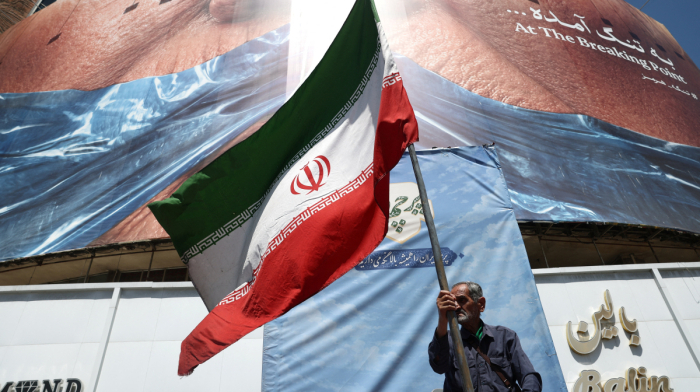
After months of heightened tension following their war in June 2025 and weeks of escalating mutual threats, Iran and the United States resumed fragile nuclear diplomacy on Friday, as negotiators from both sides held critical mediated talks in Muscat, Oman.
Led by Iran’s Foreign Minister Abbas Araghchi and U.S. Special Middle East Envoy Steve Witkoff, the delegations exchanged views indirectly on the key contentious issue of Tehran’s nuclear programme through Omani Foreign Minister Badr Al-Busaidi.
At the core of the dispute between Tehran and Washington lie deep disagreements over Iran’s nuclear enrichment and ballistic missile capabilities, as well as the Islamic Republic’s anti-Israel regional allies.
These major sticking points have pushed the sides into gridlock, with the United States demanding “zero enrichment” and a limitation on Iran’s missile range to 500 kilometres.
Iran has categorically rejected the U.S. conditions, stressing that the right to uranium enrichment under UN verification and its advanced missile programme constitute firm red lines.
Settling dust
This raises the question of what a possible deal between Iran and the United States might look like. Will this new round of talks amount to yet another exercise in agreeing to disagree?
The dust from Friday’s talks is expected to settle within days - if not hours - of them ending.
For now, the talks appear to have helped avert a military standoff. In the medium term, however, prospects for a major breakthrough remain slim if Iran and the United States are unable to exchange concessions and allow diplomacy a chance to prevail.
The US military build-up in the region and Iran’s unveiling of a new ballistic missile “town” keep the Armada v. Catapulta antinomy alive, reinforcing concerns over a looming showdown that could spill over into a wider regional confrontation.
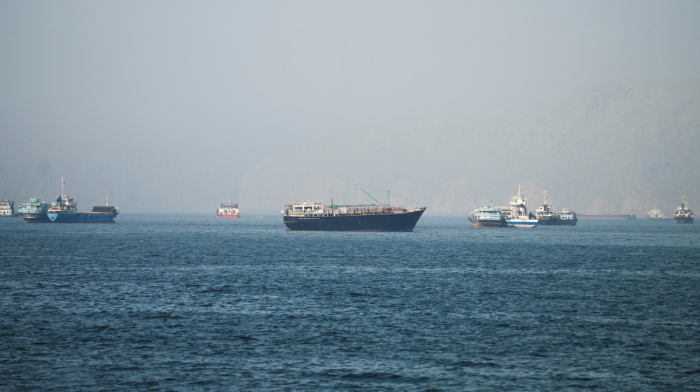
U.S. President Donald Trump has said that the U.S is in talks with the new Iranian regime. He said this in a post on his Truth Social account but warned that the U.S. will "Obliterate" Iran's electric and oil facilities if no deal is reached, especially regarding the Strait of Hormuz closure.
Cuba and the United States have been at odds for more than six decades, with tensions rooted in the 1959 revolution that transformed the island’s political and economic system. Renewed focus on relations comes as Donald Trump’s rhetoric intensifies and conditions on the island worsen.
NASA is aiming to launch its Artemis 2 mission on Wednesday (1 April), sending astronauts on a 10-day journey around the Moon, officials confirmed. According to the Space Administration, the launch window is due to open at 23:24 GMT, with additional opportunities to 6 April if delays occur.
The four astronauts selected for NASA’s Artemis II mission have arrived in Florida, entering the final phase of preparations for the first crewed journey towards the Moon in more than five decades
Iranian Military Spokesman Lieutenant Colonel Ibrahim Zulfiqari has warned that American soldiers will become 'food for sharks' if U.S. President Donald Trump launches ground attacks against Iran. The threat comes after the U.S. military said it was deploying thousands of Marines to the region.
Russia has expelled a British diplomat, accusing him of economic espionage in a move that further strains already tense relations between Moscow and London. The United Kingdom described the action as intimidation and rejected the allegations outright, Reuters reports.
Two sailboats carrying humanitarian aid from Mexico arrived safely in Havana on Saturday, the Mexican Navy said, concluding a journey in which the vessels were delayed by bad weather and briefly reported missing.
China imposed sanctions on Japanese lawmaker Keiji Furuya on Monday, who is a close aide of Japanese Prime Minister Sanae Takaichi, due to his "collusion with Taiwan independence" forces, in its latest move in a diplomatic row over Taiwan.
Ukrainian President Volodymyr Zelenskyy said he talked about a possible security partnership on Sunday with Jordan's King Abdullah over defending against drone attacks amid rising tensions over the Iran conflict.
U.S. President Donald Trump said he had "no problem" with any country sending crude to Cuba as a Russian tanker neared a Cuban port with a badly needed shipment, signalling he was reversing course on blocking oil shipments to the country on Sunday.
You can download the AnewZ application from Play Store and the App Store.
What is your opinion on this topic?
Leave the first comment