U.S. carries out fresh Iran strikes
Saudi Arabia said its overnight strikes on Iran-backed group targets in Iraq were carried out in self-defence and warned it would take further militar...
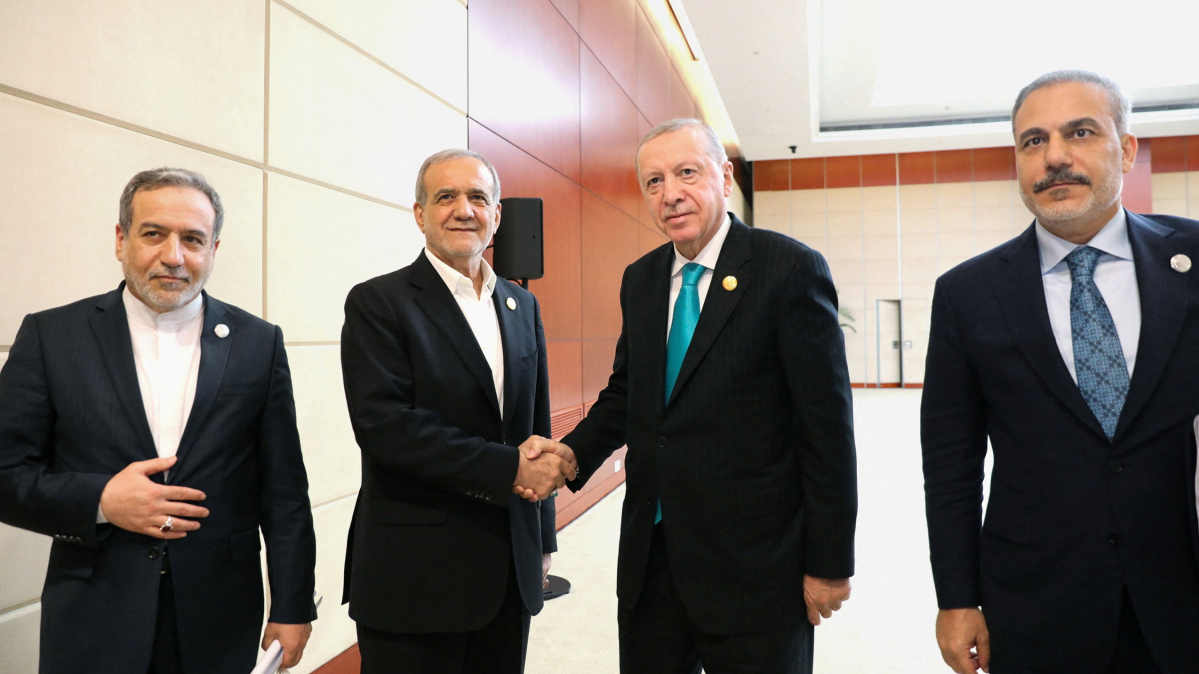
Turkish President Recep Tayyip Erdoğan has told his Iranian counterpart Masoud Pezeshkian that Türkiye opposes any form of foreign intervention in Iran, as protests and economic pressures continue to fuel tensions in the Islamic republic.
President Erdoğan said Türkiye has never supported foreign intervention in Iran during a phone call on Thursday with Iranian President Masoud Pezeshkian, according to Türkiye’s Communications Directorate.
The two leaders discussed bilateral relations and regional developments, with Erdoğan telling Pezeshkian that Ankara is closely following the situation in Iran. He stressed that Türkiye has consistently rejected scenarios involving external interference against Tehran.
Erdoğan also underlined that preventing further escalation and resolving regional problems through dialogue are in Türkiye’s national interest.
“Türkiye has never taken a positive stance toward foreign intervention in Iran,” Erdoğan said, according to the official statement.
The call comes amid protests that erupted in Iran in late December, driven by worsening economic conditions, including a sharp depreciation of the national currency and rising inflation.
Iranian authorities have accused the United States and Israel of backing what they described as “rioters” and “terrorists,” alleging they were involved in attacks on public and private property, including shops, banks and mosques.
Western governments have repeatedly denied involvement in Iran’s internal unrest.
Erdoğan emphasised that maintaining stability and avoiding heightened tensions in the region is also in Türkiye’s strategic interest, reflecting Ankara’s broader position of advocating dialogue and non-intervention in regional disputes.
Türkiye and Iran maintain complex relations, cooperating on trade and regional security while often holding differing views on conflicts across the Middle East.
The Turkish presidency said contacts between Ankara and Tehran would continue as developments unfold.

French DJ and electropop musician Kavinsky, whose atmospheric sound shaped a generation of electronic music fans, has died at the age of 50, French authorities said on Tuesday.
Saudi Arabia said its overnight strikes on Iran-backed group targets in Iraq were carried out in self-defence and warned it would take further military action if the groups launched new attacks against the kingdom.
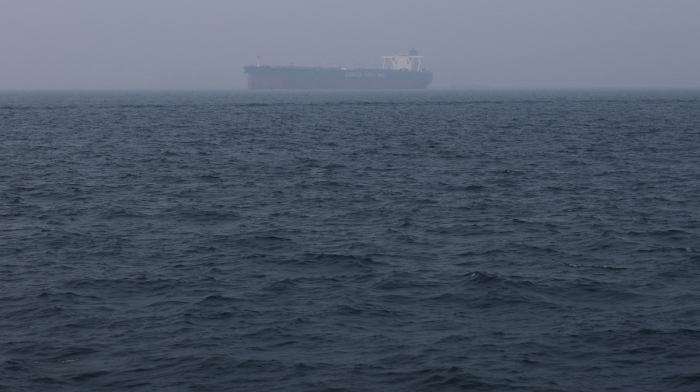
Yemen warned the Houthis were seeking to replicate Iran's Strait of Hormuz strategy in the Red Sea, as U.S. President Donald Trump said there was a "good chance" of a deal with Tehran but warned strikes could resume if talks failed.
Moscow should stop linking Russia-Armenia relations to Azerbaijan, Baku's Foreign Ministry spokesperson Aykhan Hajizada has said, after Russia again raised the Collective Security Treaty Organisation's role during the former Garabagh conflict.
Pakistani businesses are warning that growing difficulties in obtaining United Arab Emirates (UAE) visas are disrupting trade, delaying investment and limiting access to a key export market, despite both Islamabad and Abu Dhabi saying there is no official visa ban.
A fire involving two gas vessels at Egypt's Damietta port has prompted conflicting reports over whether the incident was caused by a drone strike or an onboard technical fault. Egyptian authorities said there were no casualties.
Pakistan has declared hepatitis C a national emergency and launched a nationwide campaign to screen more than 164 million people, as it steps up efforts to eliminate one of the world's largest hepatitis C burdens by 2030.
Afghan refugees in Pakistan are delaying or avoiding medical treatment because they fear arrest under the country's deportation policy, leading to preventable illnesses including child malnutrition and pregnancy complications, according to Médecins Sans Frontières (MSF).
Kyrgyzstan is in talks with Russia over monthly supplies of 100,000 tonnes of petroleum products as Ukrainian drone strikes on Russian oil refineries continue to disrupt fuel exports, forcing the Central Asian country to seek alternative sources.
Türkiye and Iraq have signed five agreements aimed at expanding cooperation in transport, infrastructure, education, youth, sports and industrial development. The deals were announced after talks between Turkish President Recep Tayyip Erdoğan and Iraqi Prime Minister Ali al-Zaidi in Ankara.
You can download the AnewZ application from Play Store and the App Store.
What is your opinion on this topic?
Leave the first comment