U.S.-Israeli strikes on Iran: What we know so far
The United States and Israel have carried out large-scale strikes on Iranian leadership and military targets, with Iranian state media confirming t...
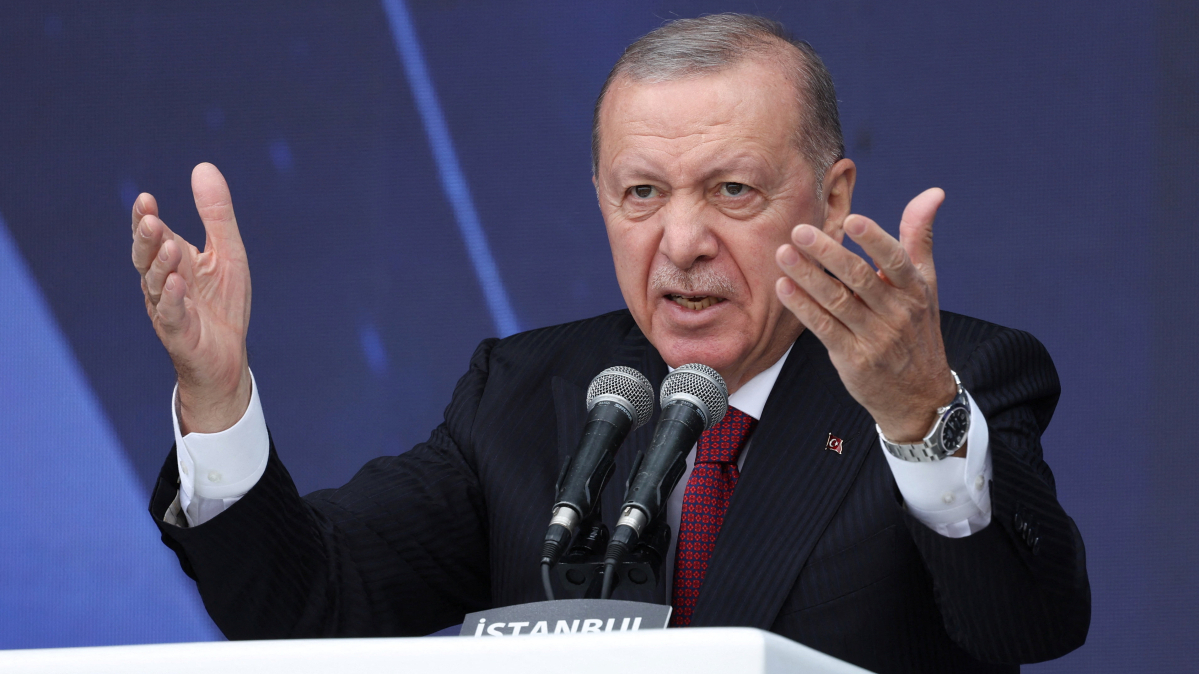
Turkish President Recep Tayyip Erdoğan said on Monday (19 January) that an agreement reached between the Syrian government and Kurdish-led forces must be implemented swiftly, including the full integration of fighters, as Ankara pushes for lasting stability in Syria.
Speaking after a cabinet meeting in Ankara, Erdoğan said the requirements of the ceasefire and integration deal between Damascus and the Syrian Democratic Forces (SDF) should be carried out without delay, warning against what he described as “wrong calculations”.
He said Türkiye would not allow any attempts to sabotage efforts to secure peace and stability in Syria, adding that the “era of terrorism” in the region was over.
Erdoğan praised the Syrian government’s handling of recent fighting in the country’s northeast, saying Syrian forces had acted carefully and within their chain of command, avoiding provocations and resolving tensions through negotiation with minimal damage.
He said Türkiye viewed these developments as important steps toward lasting peace, tranquillity and stability, and reiterated Ankara’s position that Syria’s territorial integrity and unity are essential for regional prosperity.
The Turkish leader also said Syrians, after more than 13 years of war, were openly expressing their desire for peace, and warned that no one had the right to undermine what he described as a growing climate of hope.
Erdoğan said Türkiye would continue to pursue its goal of a “terror-free Turkey and region”, referring to Ankara’s broader security policy and its stance on militant groups it considers linked to the outlawed Kurdistan Workers’ Party (PKK).

Follow the latest developments and global reaction after the U.S. and Israel launched “major combat operations” in Iran, prompting retaliation from Tehran.
Governments across the region responded swiftly to Israel’s strikes on Iran, closing airspace, issuing travel advisories and activating contingency plans amid fears of escalation.
Ayatollah Alireza Arafi has moved into a pivotal constitutional role following the death of Supreme Leader Ayatollah Ali Khamenei, becoming the clerical member of Iran’s temporary leadership council under Article 111 of the Constitution of the Islamic Republic of Iran.
A senior Iranian official has warned Israel to “prepare for what is coming”, insisting that Tehran’s response to the latest escalation in the Middle East will be made openly and without limits.
Ayatollah Ali Khamenei, Iran’s supreme leader for 36 years and the country’s highest political and religious authority, has died aged 86 following joint Israeli and U.S. strikes on his compound in Tehran.
The United States and Israel have carried out large-scale strikes on Iranian leadership and military targets, with Iranian state media confirming that Supreme Leader Ayatollah Ali Khamenei was killed.
Follow the latest developments and global reaction after the U.S. and Israel launched “major combat operations” in Iran, prompting retaliation from Tehran.
Ayatollah Alireza Arafi has moved into a pivotal constitutional role following the death of Supreme Leader Ayatollah Ali Khamenei, becoming the clerical member of Iran’s temporary leadership council under Article 111 of the Constitution of the Islamic Republic of Iran.
A number of senior Iranian figures have reportedly been killed in Saturday’s joint U.S.–Israeli airstrikes on Iran, according to Iranian state media, Israeli military statements and international reporting. Some of the details remain unverified. .
The death of Iran’s Supreme Leader Ayatollah Ali Khamenei has triggered one of the most significant political processes in the Islamic Republic: the selection of a new Supreme Leader.
You can download the AnewZ application from Play Store and the App Store.
What is your opinion on this topic?
Leave the first comment