Venezuela confirmed that 47 soldiers died during a U.S. military operation earlier this month that captured President Nicolás Maduro.
Defence Minister Vladimir Padrino López told state television that members of the Bolivarian National Armed Forces were killed while facing advanced technology and overwhelming resources deployed against the country. He highlighted that 32 Cuban nationals also died in the attack and said the military is activating the Ayacucho Plan to strengthen its capabilities.
López acknowledged the need to review and restructure the armed forces to adapt to the new reality, emphasising that the goal is to consolidate military power to ensure respect for the nation and full implementation of the Constitution. He added that, despite the critical situation, the military’s honour and dignity remain intact.
The operation to capture Maduro
Explosions rocked Caracas on 3 January as U.S. President Donald Trump launched Operation Absolute Resolve, targeting key military sites. The strike began around 2 a.m. local time, with U.S. forces bombing infrastructure to suppress air defences before a specialised team seized President Nicolás Maduro and his wife, Cilia Flores, at his compound. They were flown to the U.S. to face federal criminal charges, including narco‑terrorism and weapons possession.
Maduro has led Venezuela since 2013, succeeding Hugo Chávez. His presidency was marked by accusations of corruption, economic mismanagement and human rights abuses. He was sworn in for a further term after elections in 2025 widely criticised as flawed by international observers and opposition figures.
The operation followed months of U.S. pressure on Maduro’s regime, including sanctions and targeted actions against Venezuelan-linked oil shipments in the Caribbean. These moves aimed to limit resources that Washington says sustained Maduro’s government.
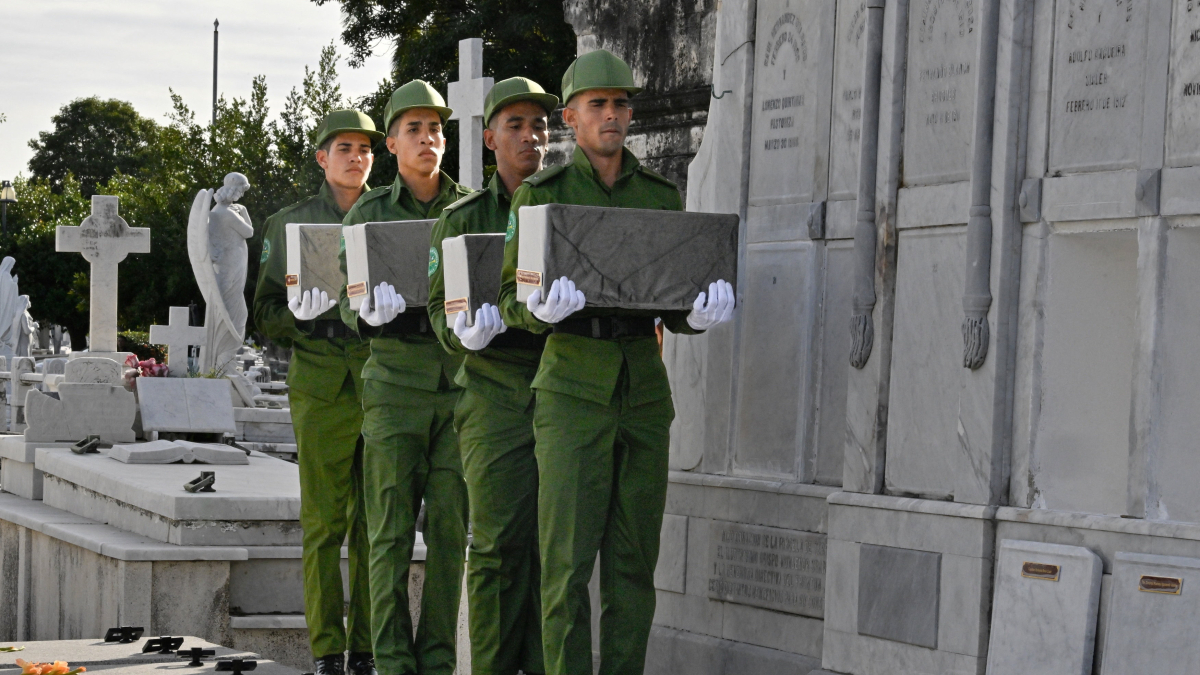
International reactions were mixed. Cuba confirmed the return of its soldiers killed in the operation, with a guard of honour for the fallen. Russia condemned the U.S. strike as a breach of international law, while some Latin American countries expressed concern over the use of force.
The U.S. has said Maduro and Flores will stand trial in New York. Venezuela’s military is undergoing restructuring under the Ayacucho Plan as the region watches closely how the political and security situation evolves.
U.S. military escalation against Venezuela
The U.S. conducted a sustained military buildup in the Caribbean in the months leading up to the capture of Maduro. After repeated attacks on vessels accused of carrying drugs from Venezuela, President Trump ordered a series of strikes against alleged drug-smuggling boats, beginning in September 2025. These strikes killed dozens of people and drew criticism from lawmakers and human rights groups over legality and transparency.
By October, Trump had declared an “armed conflict” with drug cartels, authorising the U.S. military and CIA to conduct operations in Venezuelan waters and beyond. A fleet of warships—including guided-missile destroyers, amphibious assault ships, and aircraft carriers—was deployed, supported by fighter jets and a submarine carrying cruise missiles.
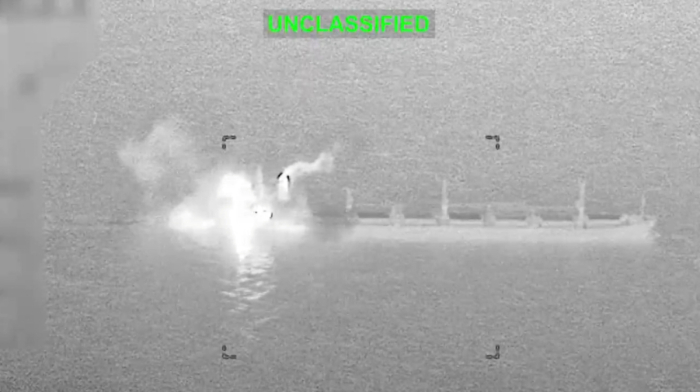
The campaign targeted vessels linked to criminal networks, including Venezuelan street gangs, aiming to disrupt revenue streams that Washington said sustained Maduro’s regime. In December, operations expanded to include oil tankers leaving Venezuela, which were accused of supporting illicit networks.
On 3 January 2026, this military escalation culminated in Operation Absolute Resolve, when U.S. forces struck Caracas and captured Maduro and his wife, transporting them to the U.S. to face federal criminal charges. The White House framed the campaign as part of an effort to combat drug trafficking and restore stability in Venezuela, though critics described it as a direct intervention in the country’s governance.
Meeting with opposition leader
Trump met opposition leader María Corina Machado in Washington, where she presented him with her 2025 Nobel Peace Prize medal as a symbolic gesture recognising what she called his role in removing Maduro. Machado told supporters she believed the U.S. would back Venezuela’s transition to democracy, but the White House reiterated that Trump has not endorsed her as the next leader and will continue supporting interim authorities in Caracas. Machado said she remained confident in an eventual transition to free elections, but acknowledged the path ahead was complex and would require rebuilding institutions and respect for human rights.
The capture of Maduro marks a pivotal moment in Venezuela’s ongoing crisis, but the country faces a fragile transition. With the military restructuring underway under the Ayacucho Plan and interim authorities in place, the path to stability will depend on rebuilding institutions, restoring democratic processes, and ensuring respect for human rights. International attention remains fixed on Caracas as Venezuela navigates the political and security challenges ahead, with the region watching closely how the next chapter unfolds.










What is your opinion on this topic?
Leave the first comment