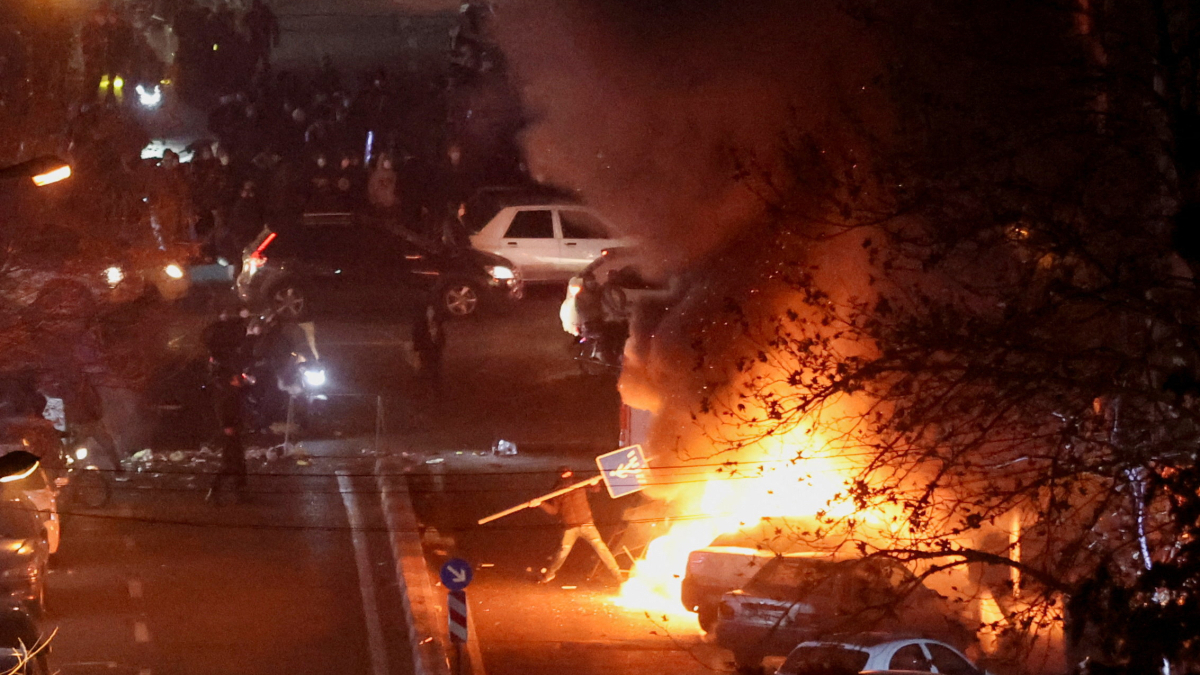
Iran’s nationwide anti-government protests have killed at least 2,571 people, according to updated figures from a U.S.-based rights group, as unrest continues to pose one of the most serious challenges to the country’s clerical leadership in years.
The Human Rights Activists News Agency (HRANA) said on Wednesday it had verified the deaths of 2,571 people, including 2,403 protesters, 147 government-affiliated individuals, 12 people under the age of 18 and nine non-protester civilians.
The group also reported that more than 18,000 people had been detained since demonstrations began more than two weeks ago.
Iranian officials on Tuesday said about 2,000 people had been killed, marking the first time authorities had provided an overall death toll from the unrest, though they did not offer a detailed breakdown of casualties.
Tehran has blamed what it describes as “terrorist operatives” receiving foreign guidance for the violence and accused the United States and Israel of fuelling the unrest.
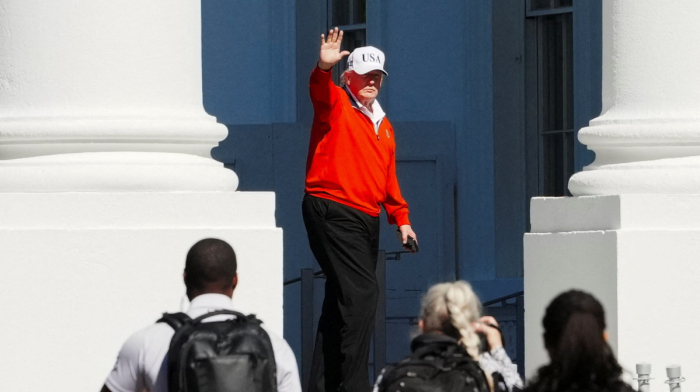
U.S. President Donald Trump on Tuesday urged Iranians to continue protesting and to remember those responsible for the violence, saying they would eventually “pay a very big price”.
In a post on Truth Social, he told Iranians to “keep protesting” and “take over your institutions”, adding that “help is on its way”, without explaining what form that help might take.
Trump said he had cancelled all meetings with Iranian officials until what he described as the “senseless killing” of protesters stopped. Asked later what he meant by his remarks, he declined to give details, saying reporters would “have to figure that out”. He has previously said military action is among the options he is weighing in response to the crackdown.
“The killing looks like it’s significant, but we don’t know yet for certain,” Trump said upon returning to the Washington area from Detroit, adding he would receive a report later on the protests. “We’ll act accordingly,” he said.
Iran’s U.N. Ambassador Amir Saeid Iravani responded by accusing the U.S. president of inciting violence and threatening Iran’s sovereignty and security.
In a letter to the U.N. Security Council, he said the United States and Israel bore “direct and undeniable legal responsibility” for the loss of civilian lives.
Iran’s Foreign Minister Abbas Araqchi said earlier this week that Tehran had continued communications with U.S. special envoy Steve Witkoff and was reviewing proposals from Washington, even as tensions escalated.
The protests, triggered by severe economic hardship, have become the most significant internal challenge to Iran’s rulers in at least three years.
Internet access remains heavily restricted, making independent verification difficult and limiting the flow of information from inside the country.
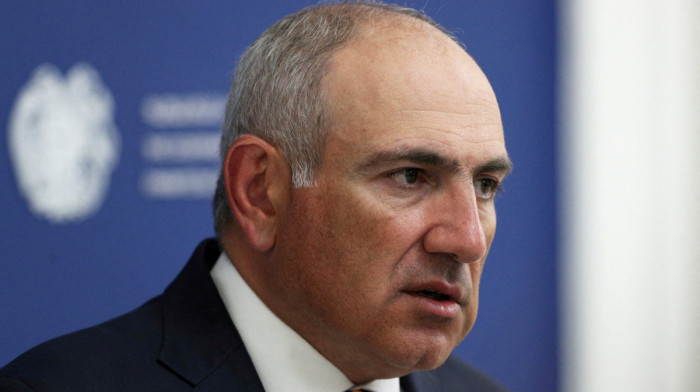
The U.S. State Department has urged American citizens to leave Iran immediately, including by land through Türkiye or Armenia, as the situation continues to deteriorate.










What is your opinion on this topic?
Leave the first comment