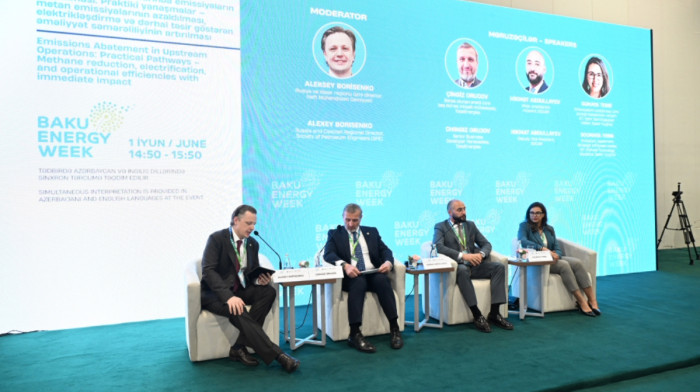
Baku Energy Week drives $7.5bn in deals and global energy cooperation
Baku has once again become a focal point for international energy diplomacy, investment and strategic cooperation, as Baku Energy Week brings together...
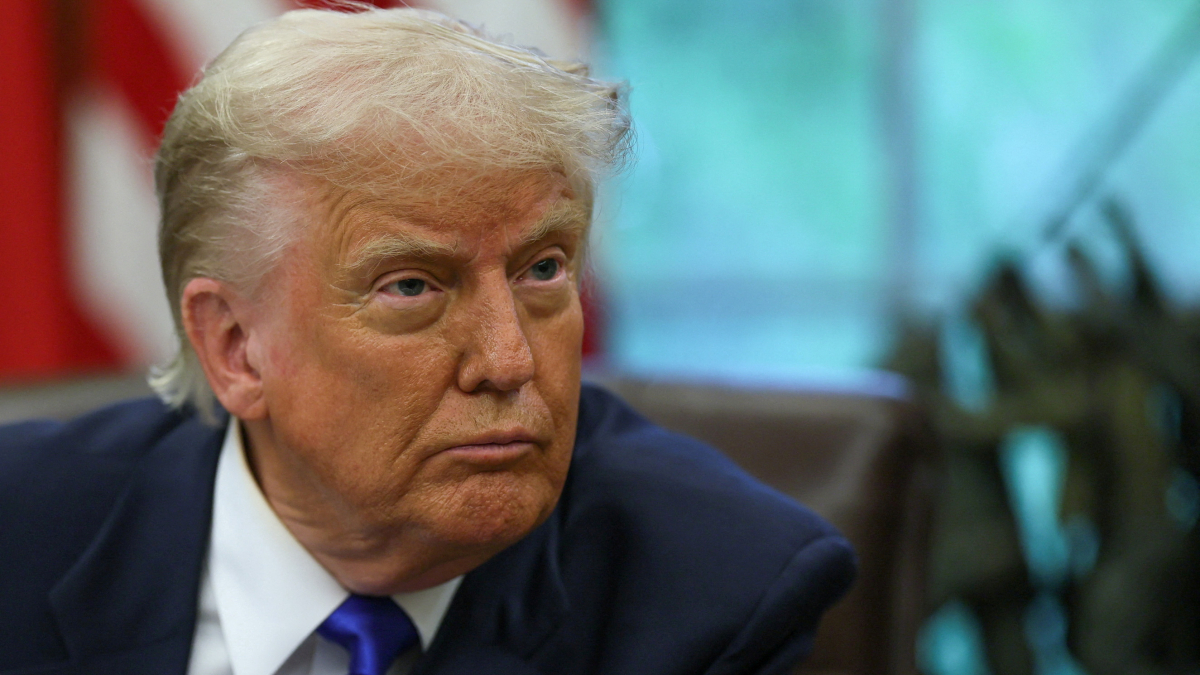
U.S. President Donald Trump has warned that Iran could face a strong response from the United States if its authorities kill protesters amid ongoing unrest.
Speaking this week, Trump said he had told Iranian authorities that if they began killing people during demonstrations, Tehran would “get hit very hard.” His remarks come as nationwide protests continue for more than a week.
The protests, driven by economic hardship and rising living costs, have spread beyond Tehran to other major cities. Reports indicate that dozens of people, including civilians and security personnel, have been killed in clashes between demonstrators and Iranian forces.
Iranian officials have criticised Trump’s comments, accusing Washington of interfering in the country’s internal affairs and warning against foreign involvement.
Tehran maintains that protests are influenced by external actors and has defended its approach to restoring order.
There is no indication that the United States has taken military action in response to the unrest, and the exact meaning of Trump’s threat has not been clarified by U.S. officials.
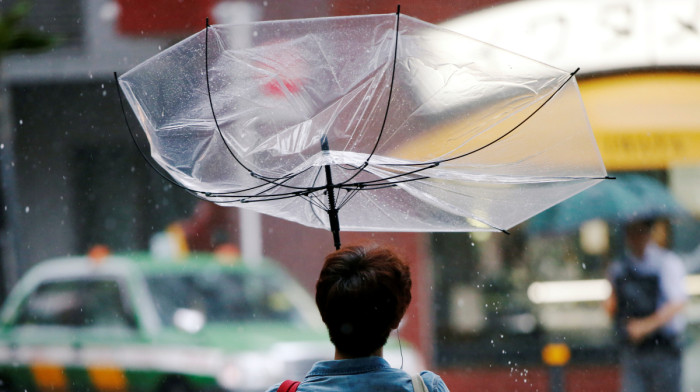
Okinawa lost transport links and suffered widespread power outages on Monday (1 June) as Severe Tropical Storm Jangmi brought destructive winds and heavy rain to Japan's south-western islands.
Competing narratives continue to shape perceptions of the war in Ukraine, with Russian leadership suggesting a possible end phase while Ukrainian officials warn of renewed large-scale attacks and ongoing escalation risks.
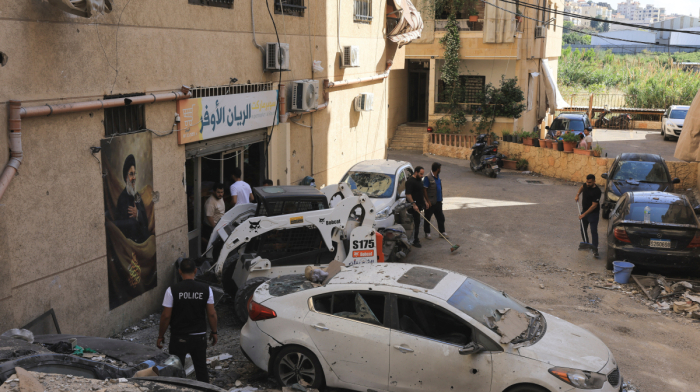
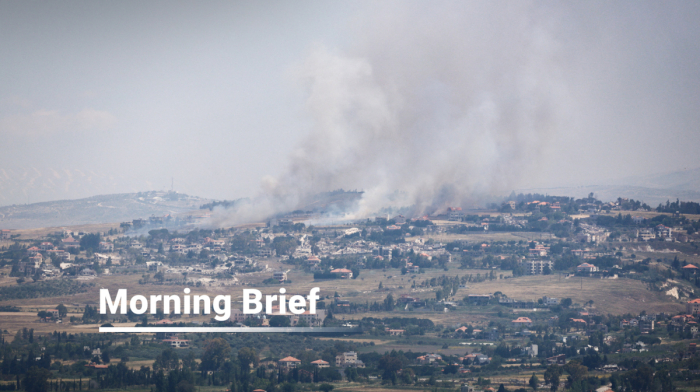
U.S. Secretary of State Marco Rubio has held talks with Lebanese President and Israeli Prime Minister on efforts to ease tensions between Israel and Lebanon. According to a U.S. official, Washington has proposed a plan aimed at achieving a gradual de-escalation of hostilities.
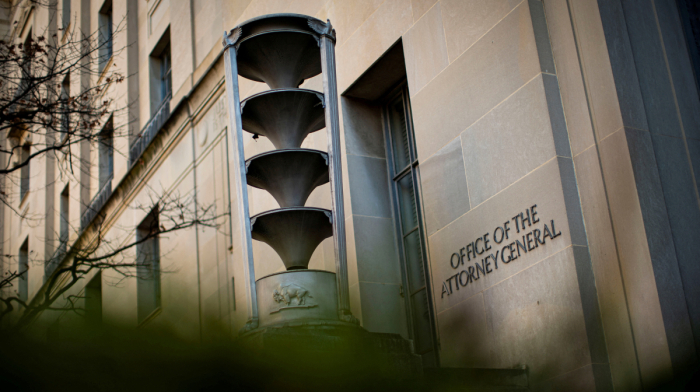
Unsealed records from the U.S. Department of Justice have renewed scrutiny of lawyer Robert Amsterdam after documents revealed communications between his law firm and Jeffrey Epstein's office. The disclosures have drawn attention because of Amsterdam's prominent role in Armenia.
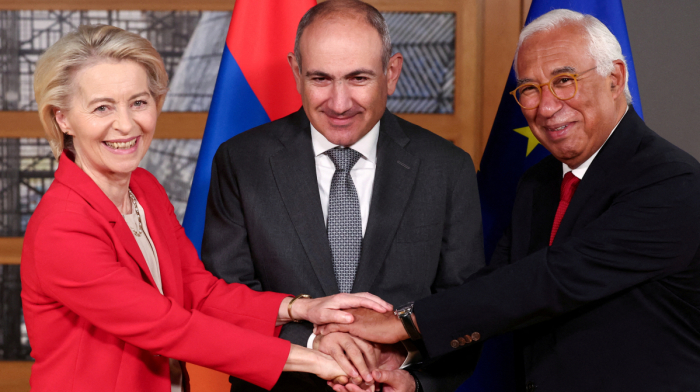
When Armenians vote on 7 June, they will be voting in an election shaped by months of political change and a rapidly deepening relationship with the European Union. The result may not only determine who governs Armenia but also the future direction of the country's geopolitical alignment.
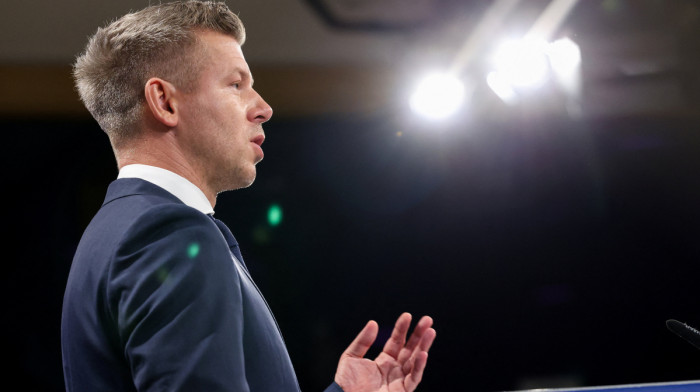
Hungarian Prime Minister Péter Magyar said on Monday that his government would begin legal proceedings to remove President Tamás Sulyok if he continues to reject calls to resign.
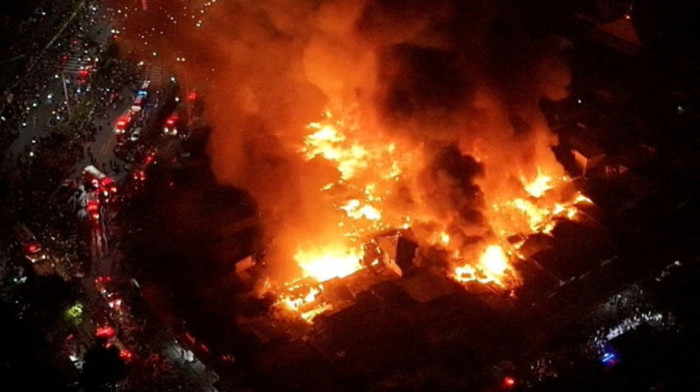
Hundreds of people were left homeless after a massive fire in Indonesia's capital Jakarta affected more than 300 houses, according to state-run media on Tuesday.
Competing narratives continue to shape perceptions of the war in Ukraine, with Russian leadership suggesting a possible end phase while Ukrainian officials warn of renewed large-scale attacks and ongoing escalation risks.
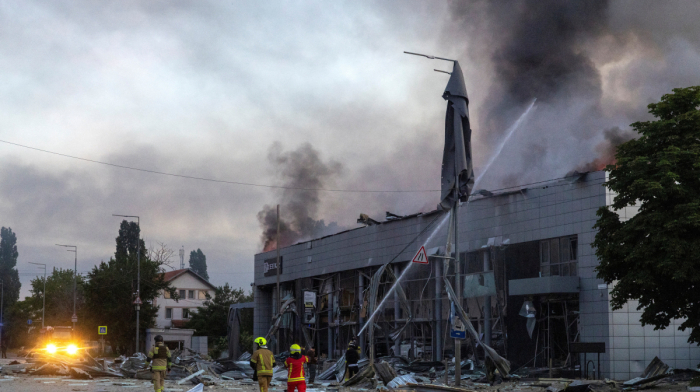
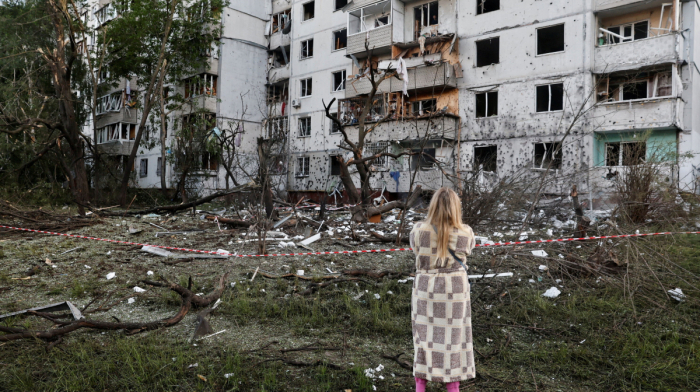
Russian drones and missiles pounded the Ukrainian capital Kyiv and other cities early on Tuesday, killing at least 11 people and wounding more than 100, authorities said, following days of warnings about Moscow's plans for a major assault.
Start your day informed with the AnewZ Morning Brief. Here are the top stories for the 2 June, covering the latest developments you need to know.
You can download the AnewZ application from Play Store and the App Store.
What is your opinion on this topic?
Leave the first comment