Bulgaria is preparing to replace its national currency, the lev, with the euro on 1 January, a long-awaited move welcomed by businesses but viewed with scepticism and anger by some citizens.
Bulgarian banks, businesses and shoppers are preparing to bid farewell to the lev as the country moves to adopt the euro at the start of the New Year.
The Black Sea nation will become the 21st country to join the euro zone after meeting the required entry criteria this year, including benchmarks on inflation, budget deficit, long-term borrowing costs and exchange-rate stability. The move follows Croatia’s accession in January 2023 and will increase the number of people using the euro to more than 350 million.
Euro zone membership also gives Bulgaria a seat on the European Central Bank’s Governing Council, which sets interest rates.
Although successive Bulgarian governments have pursued euro adoption since the country joined the European Union in 2007, public opinion remains divided. Polls show mixed views among Bulgaria’s 6.7 million people, while businesses are largely supportive.
Some Bulgarians fear the change will drive up prices or express distrust toward the political establishment, which is facing a crisis after the government stepped down this month amid protests over proposed tax increases. Others, citing Bulgaria’s historic cultural and political ties to Russia, are wary of deeper integration with Europe.
“I am against it, first because the lev is our national currency,” said Sofia pensioner Emil Ivanov. “Secondly, Europe is heading towards demise,” he added.
Analysts say a weak public information campaign and political instability could complicate the transition, particularly for older people in rural areas.
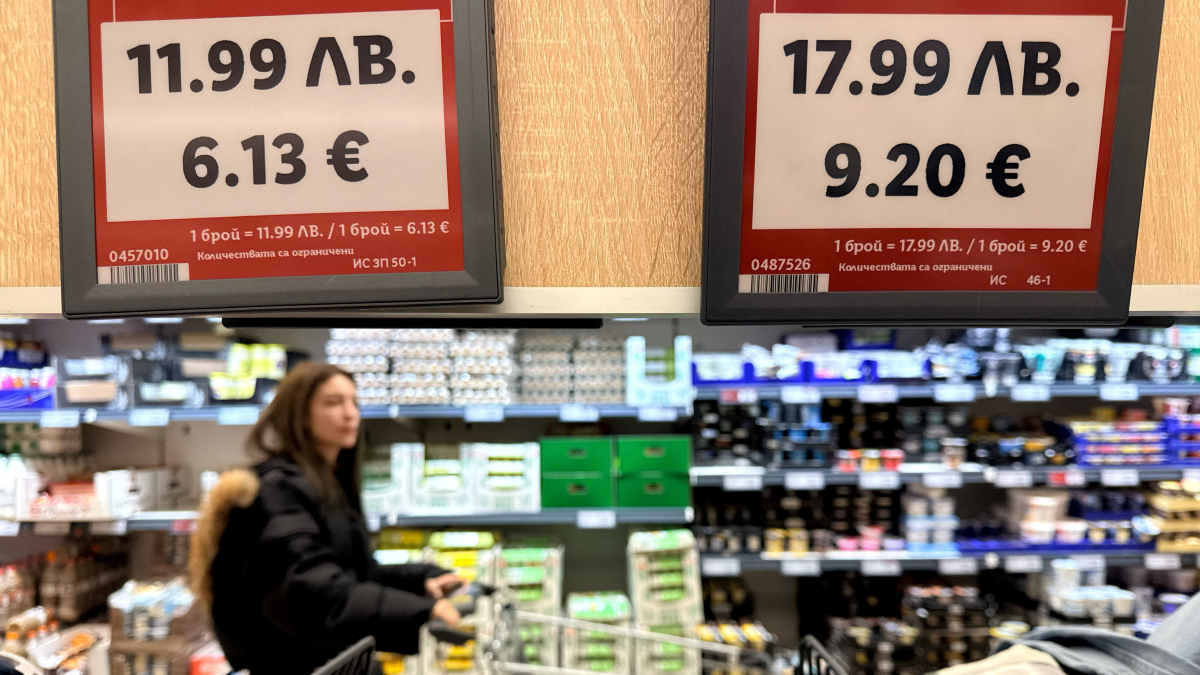
Despite the concerns, preparations are visible across the capital. Shops in Sofia display prices in both levs and euros, while government billboards promote the fixed exchange rate under the slogan: “Common past. Common future. Common currency.”
Some residents welcome the change. “Not only older people but also young people can easily travel using euros instead of having to exchange currency,” said shopper Veselina Apostovlova.
Export-oriented businesses have also voiced support. Natalia Gadjeva, owner of the Dragomir Estate Winery in the Thracian Valley, said the switch would simplify operations by eliminating repeated currency conversions and invoice re-issuance.
















What is your opinion on this topic?
Leave the first comment