Iran claims missile and drone strikes on U.S. targets after Hormuz attack
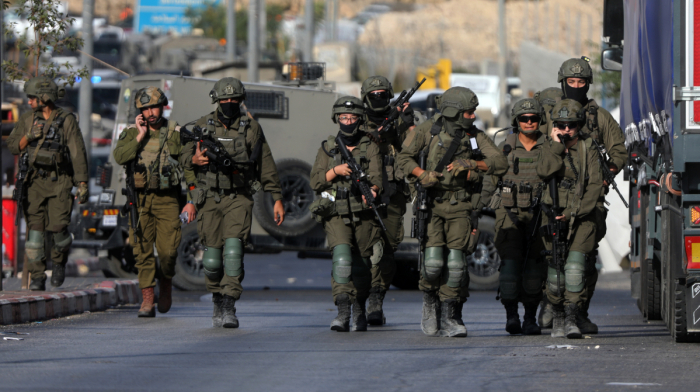
Iran’s Revolutionary Guards (IRGC) said on Wednesday that they had targeted the U.S. Fifth Fleet headquarters in Bahrain and a U.S. air base in the ...
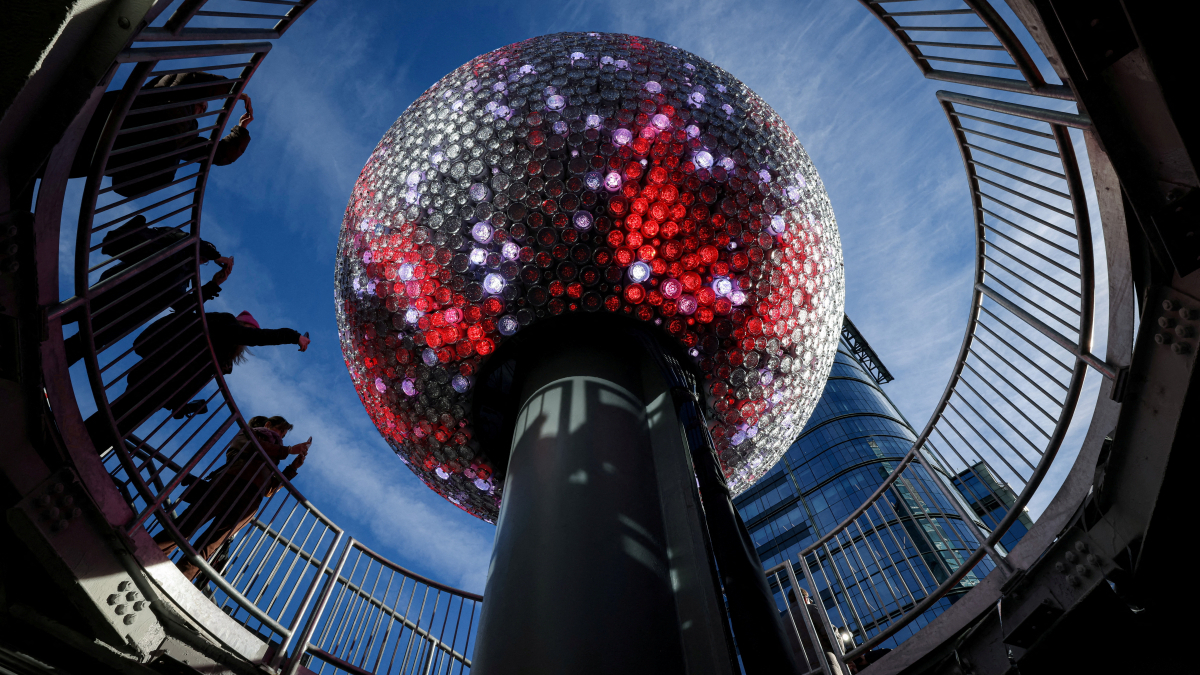
Organisers in New York have successfully completed a test run of the Times Square New Year’s Eve crystal ball, less than 48 hours before the annual countdown celebration.
A test of New York City’s iconic New Year’s Eve ball drop was carried out successfully in Times Square on Tuesday, 30 December, organisers said.
Standing on a platform above Times Square, representatives from Countdown Entertainment and partner organisations activated the switch to illuminate and raise the crystal ball up the flagpole before lowering it again.
“It went up, it came down, and we are ready for tomorrow,” said Jeffrey Strauss, president of Countdown Entertainment.
The new ball, known as the Constellation Ball, is the ninth version of the Times Square New Year’s Eve ball and the largest ever used. It weighs 12,350 pounds and features 5,280 Waterford crystal circles, replacing the triangular design used in previous versions.
Strauss said the circular crystals are designed to resemble stars, giving the ball its constellation theme.
Organisers also announced plans for a record-breaking amount of confetti during the celebrations, with nearly three tonnes set to be released in stages throughout the night. The display will include purple and yellow confetti during the countdown, multicoloured confetti at midnight, and red, white and blue confetti to mark the start of America’s 250th anniversary year shortly after midnight.
Strauss said hundreds of thousands of people are expected to gather in Times Square, while more than one billion viewers worldwide are expected to watch the countdown.
The crystal ball will remain unlit until the final seconds before midnight on 31 December 2025, when it will descend to mark the arrival of the New Year.

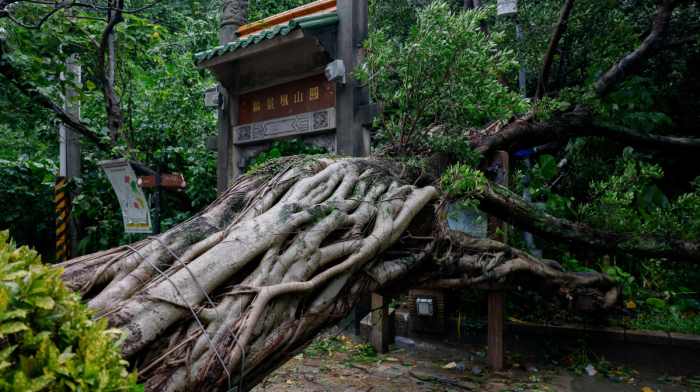
Severe Tropical Storm Jangmi brought heavy rain, power cuts and transport disruption across Japan on Wednesday (3 June) as it tracked towards the greater Tokyo region.
Police officers were pelted with missiles during violent clashes at a protest near the Southampton, UK, home of convicted murderer Vickrum Digwa, as anger continued to grow over the handling of the fatal stabbing of 18-year-old Henry Nowak.
Competing narratives continue to shape perceptions of the war in Ukraine, with Russian leadership suggesting a possible end phase while Ukrainian officials warn of renewed large-scale attacks and ongoing escalation risks.
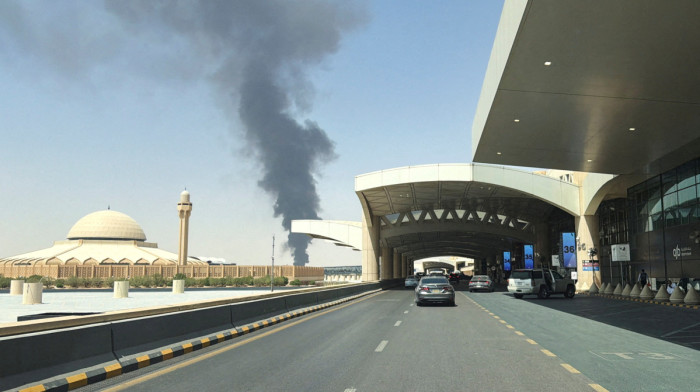
An Iranian drone and missile attack struck Kuwait International Airport early Wednesday, injuring several people, damaging Terminal 1 and forcing flight diversions, Kuwaiti authorities said.
Global weather forecasters predict a strong El Niño will develop in the second half of 2026, bringing hotter, drier conditions to much of Asia while increasing rainfall in parts of North and South America.
Protesters chanted “I can’t breathe” and threw bins at police in Southampton on Tuesday (2 June) after footage emerged showing murdered teenager Henry Nowak being arrested as he lay dying from a stab wound.
Thousands of people have taken to the streets in Albania in recent days to protest against a luxury tourism project linked to Jared Kushner, the son-in-law of U.S. President Donald Trump, and his wife Ivanka Trump.
Bolivia’s Defence Minister has resigned amid widening unrest over government austerity measures, which have led to protesters blocking roads into the country’s two largest cities.
Severe Tropical Storm Jangmi brought heavy rain, power cuts and transport disruption across Japan on Wednesday (3 June) as it tracked towards the greater Tokyo region.
Start your day informed with the AnewZ Morning Brief. Here are the top stories for the 3 June, covering the latest developments you need to know.
You can download the AnewZ application from Play Store and the App Store.
What is your opinion on this topic?
Leave the first comment