In 2025, climate talks, security negotiations and trade diplomacy defined a year of high-level summits. Leaders met across continents to confront conflict, debate climate responsibility and shape global priorities. Some eased tensions, others exposed divisions, but all left their mark.
The first major meeting of the year took place in Harare on 31 January, where SADC heads of state gathered to discuss the deepening conflict in the Democratic Republic of Congo.
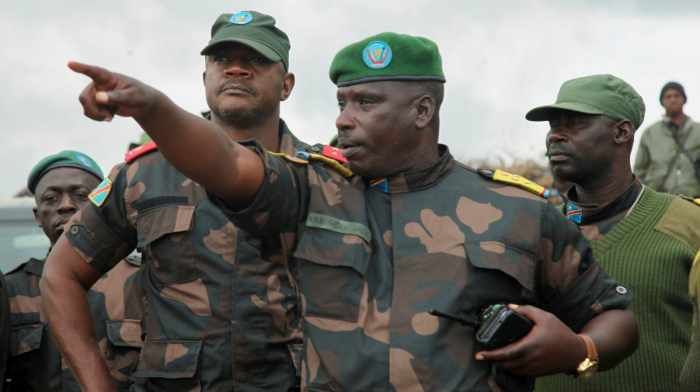
The advance of the M23 armed group in eastern DRC was the central topic, alongside humanitarian displacement and regional security concerns.
Member states reviewed cooperation between existing military and monitoring missions and examined options for expanded security coordination with Kinshasa.
The communiqué called for improved civilian protection, cross-border intelligence sharing, access for humanitarian agencies and longer-term planning linked to governance and mineral-resource oversight in conflict-affected territories.
Just weeks later, Paris hosted the AI Action Summit from 10 to 11 February, bringing together senior government officials, major technology companies, academic institutions and civil-society groups.
More than one hundred countries were represented at the Grand Palais under the chairmanship of Emmanuel Macron and Narendra Modi.
Around sixty states signed the joint declaration on “Inclusive and Sustainable Artificial Intelligence,” committing to shared norms for responsible development, transparent deployment and public-interest research.
The summit also launched a USD 400 million fund to support open and ethical AI projects and accelerated discussions on safety protocols, training-data standards, cross-border data use and digital-divide mitigation.
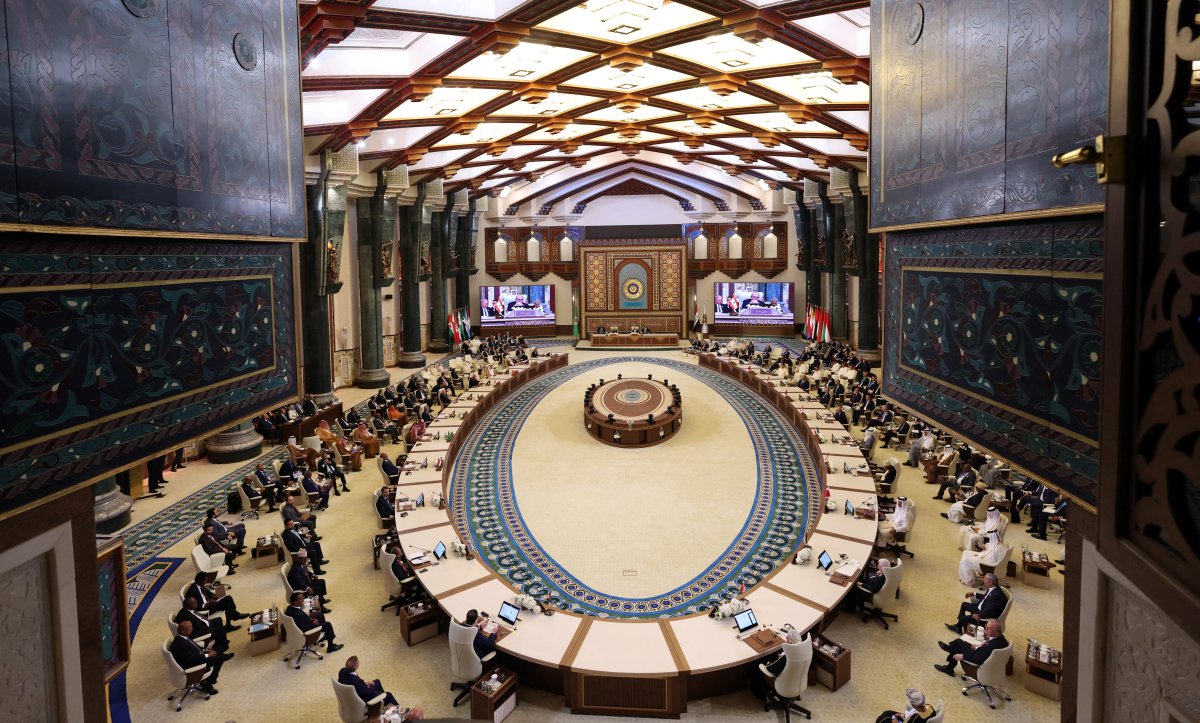
Regional diplomacy intensified in the Middle East when Iraq hosted the 34th Arab League Summit in Baghdad on 17 May — its first summit of this scale since 2012.
Leaders endorsed the Baghdad Declaration calling for an immediate ceasefire in Gaza, the facilitation of humanitarian corridors and the creation of reconstruction support channels.
Delegations agreed on rejecting displacement of Palestinians and discussed regional energy connectivity, food security and trade coordination.
Iraq used the meeting to restore a leadership role in regional dialogue after years of domestic instability, while member states reviewed cooperation frameworks in counterterrorism, infrastructure and financial assistance.
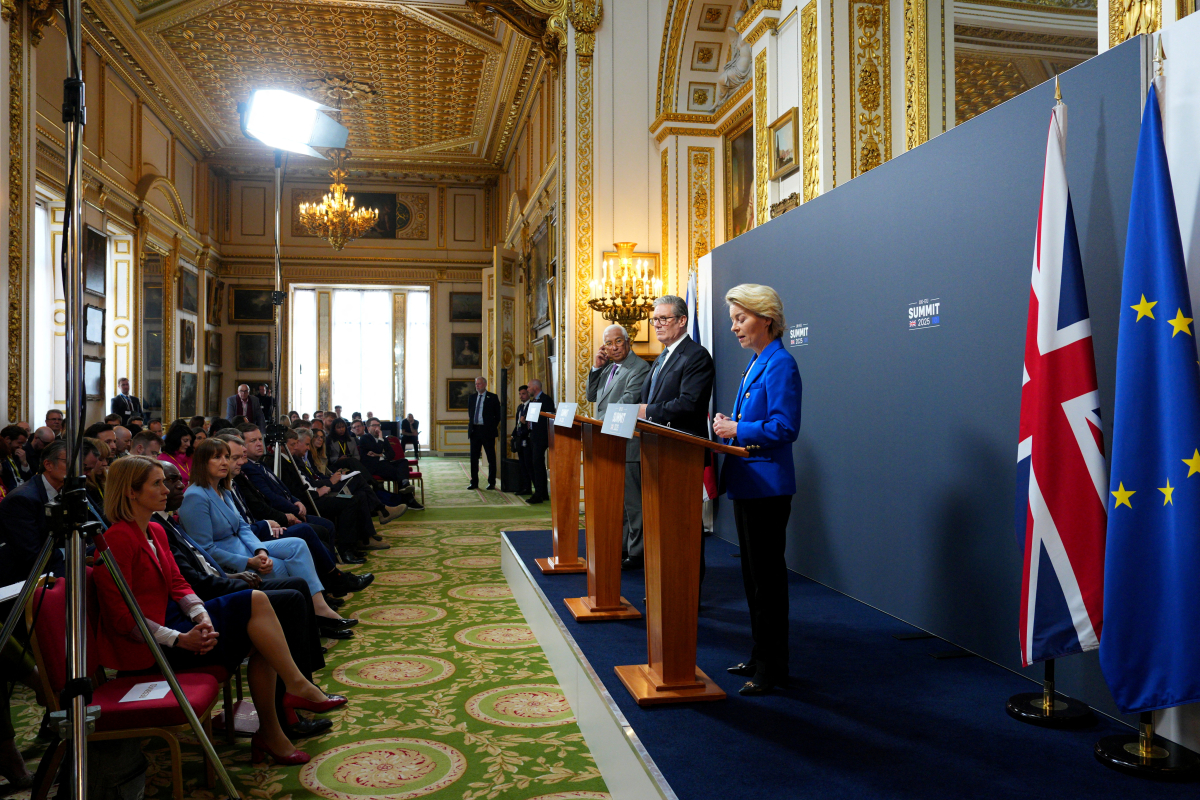
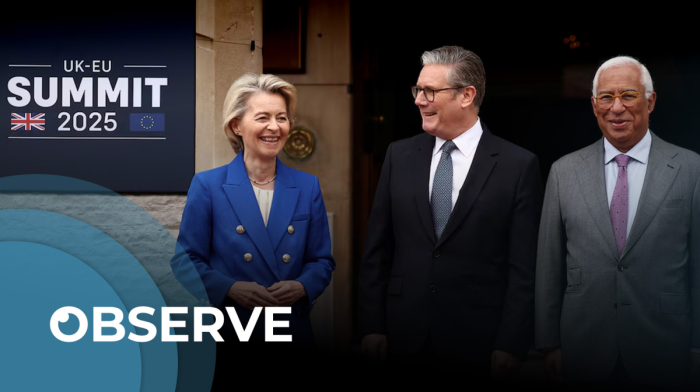
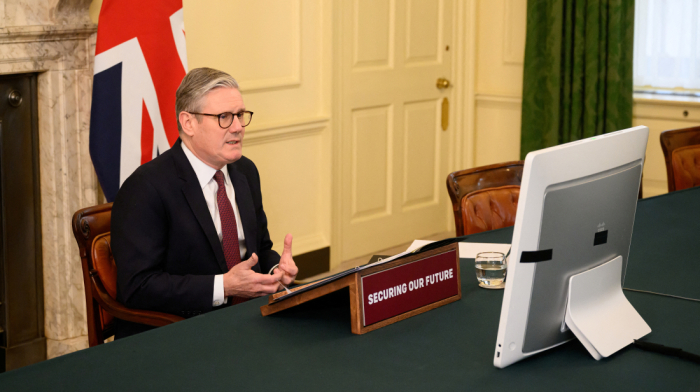
Two days later, London hosted the UK–EU Summit on 19 May, marking the first formal high-level engagement between the two sides since Brexit implementation.
A strategic partnership package was signed, outlining cooperation on security, border management, migration response, police data exchange and research connectivity.
The meeting also addressed energy interconnection projects, supply chain reliability and future participation in science and innovation programmes.
Both parties formed working groups to oversee implementation and agreed to maintain routine summits to monitor progress and policy alignment.
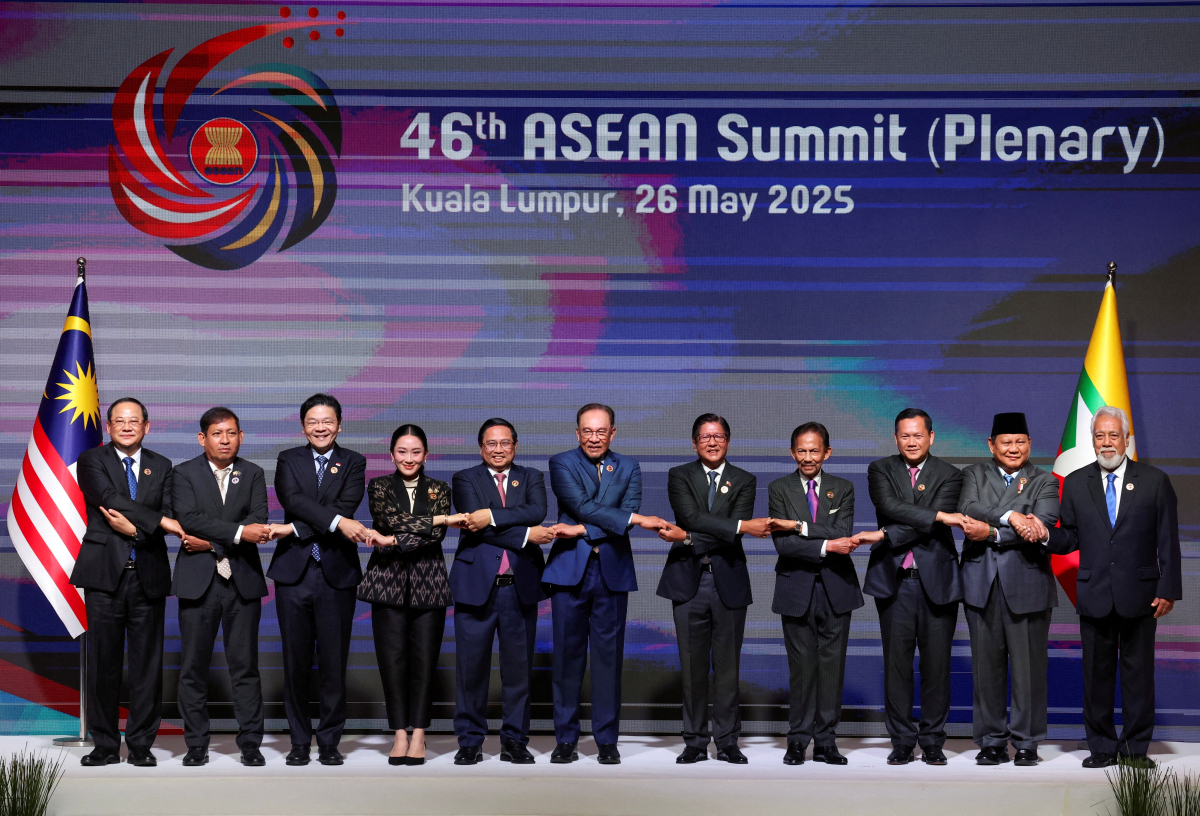
In Southeast Asia, the 46th ASEAN Summit convened in Kuala Lumpur on 26 May. Leaders adopted the ASEAN Community Vision 2045, establishing long-term integration plans across economic, digital and socio-political pillars.
The agenda included discussions on digital-economy harmonisation, renewable-energy development, maritime safety and infrastructure connectivity.
The Myanmar crisis and South China Sea developments were reviewed, with emphasis on humanitarian access and stability mechanisms.
Member states underlined the need to narrow development gaps and strengthen intra-regional trade.
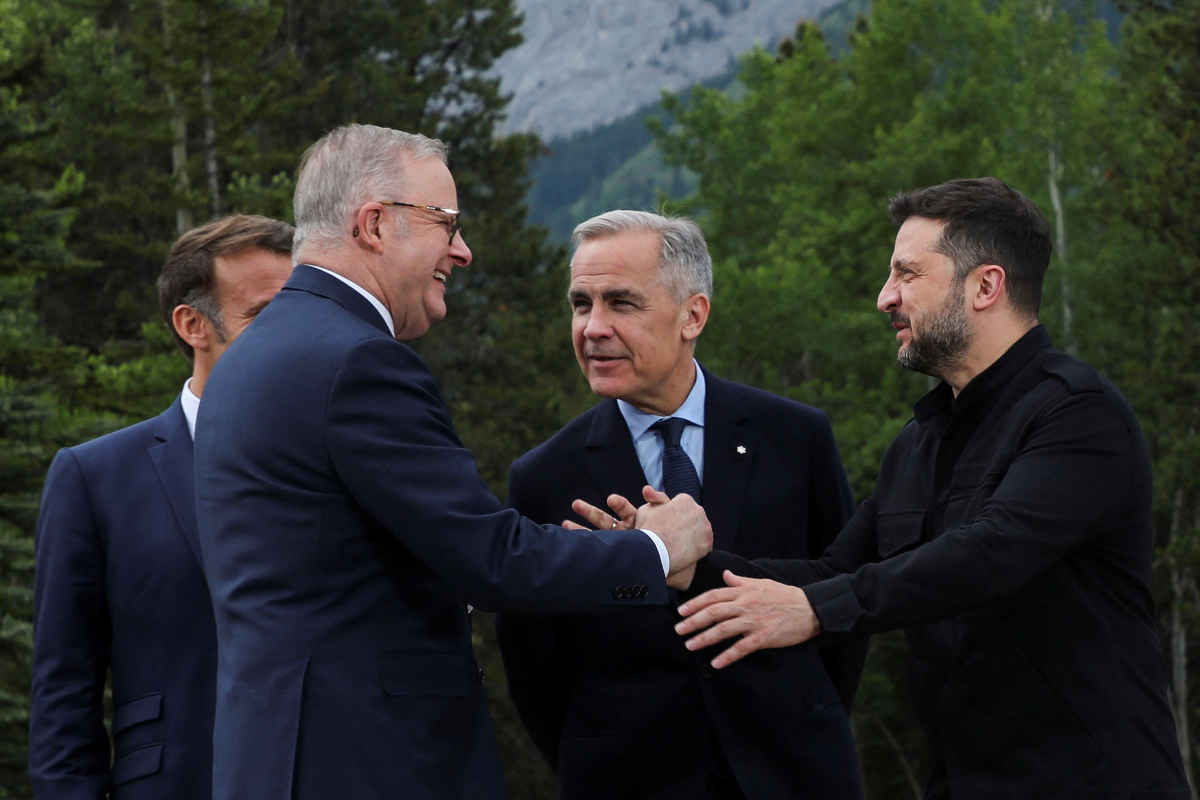
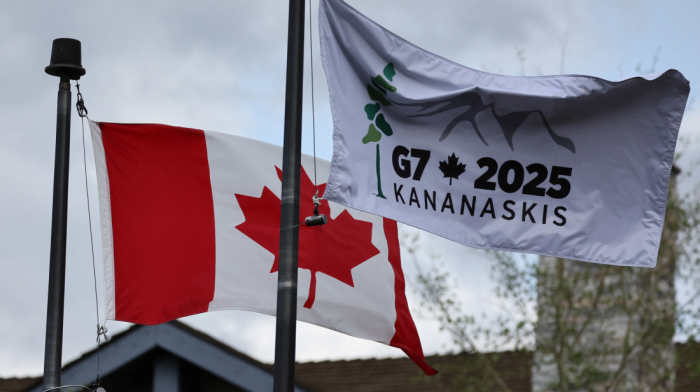
Global economic and security priorities returned to focus at the G7 Summit in Kananaskis, Alberta, held on 16 and 17 June.
Leaders issued joint statements concerning Middle East de-escalation, cooperation on critical mineral supply chains, transparency obligations for emerging AI systems, global wildfire coordination and anti-smuggling mechanisms.
Ukraine was discussed extensively, with emphasis on defence capacity, reconstruction channels and industrial readiness.
Energy security, inflation pressures and climate-resilient investment featured in negotiations, while renewable-expansion dialogue reaffirmed climate-transition planning.
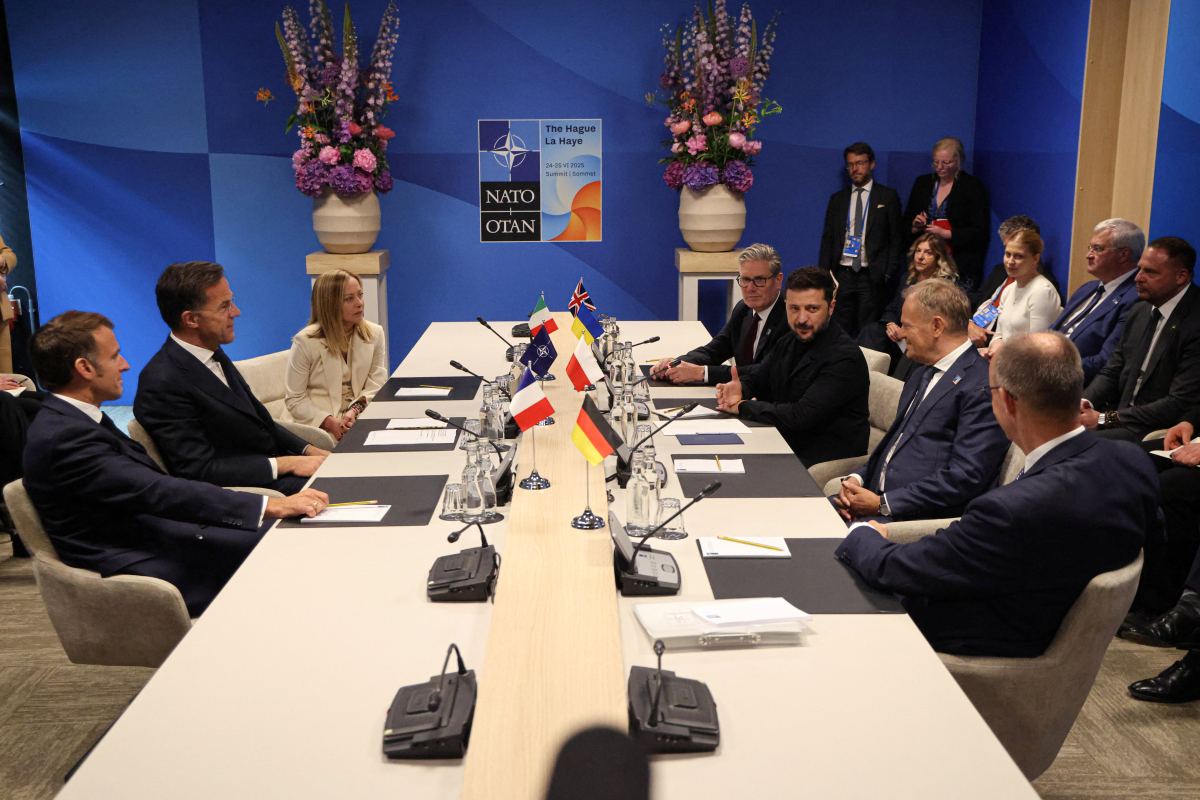
Days later, heads of state gathered in The Hague for the NATO Summit on 24 and 25 June.
Member states adopted a defence-spending roadmap aimed at reaching 5% of GDP annually by 2035, split between core military capability and infrastructure, cyber-readiness, innovation and industrial capacity.
Delegations reviewed air and missile defence integration, joint procurement targets and technology partnership pathways.
Support for Ukraine continued, alongside plans for expanded space-security coordination and strengthened cyber defence architecture.
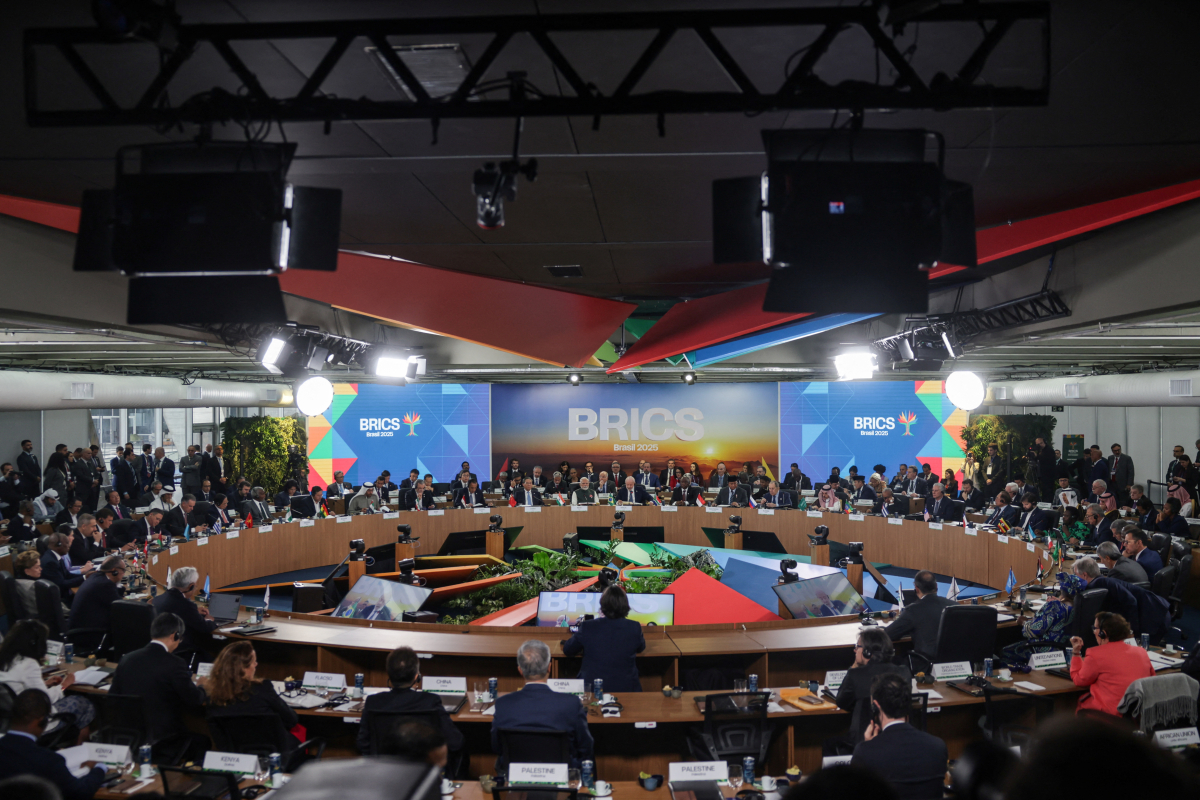
Emerging economies met soon after in Rio de Janeiro for the BRICS Summit on 6 and 7 July.
Discussions focused on financial reform, the evolution of the New Development Bank, and development of alternative payment and settlement systems.
Leaders examined trade diversification, infrastructure lending, energy-transition financing and options for future enlargement of the group.
Cooperation tracks covered digital-payment integration, industrial-capacity development and inter-regional supply chain links involving Africa, Asia and Latin America.
Climate negotiations dominated in November when Brazil hosted COP30 in Belém from 10 to 21 November.
Negotiators advanced frameworks for loss-and-damage financing, adaptation programmes, renewable-energy deployment and methane-reduction timelines.
Commitments increased for biodiversity protection and Amazon conservation, accompanied by monitoring arrangements and ecosystem-tracking proposals.
Indigenous participants played a formal role in negotiation streams, contributing land-management submissions and community-led preservation models.
Work continued on carbon-market guidelines and national implementation delivery pathways.
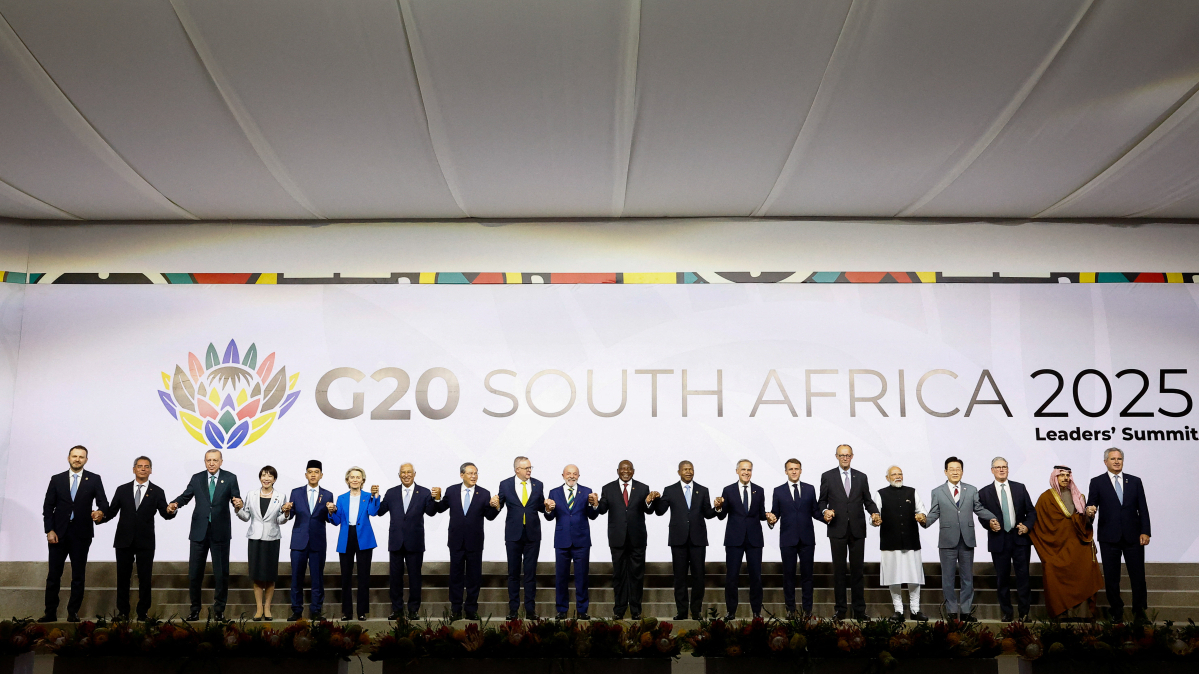
The year closed in Johannesburg with the G20 Summit on 22 and 23 November — the first G20 hosted on African soil.
Delegations adopted the Johannesburg Action Plan, outlining cooperation on food-security stability, digital-connectivity expansion, green-industrial development and reform of multilateral financial institutions.
Debt vulnerability among low-income states was a core item alongside development-financing channels.
The summit also covered market access, manufacturing localisation, pharmaceutical supply and economic-integration frameworks, setting forward trajectories for global-south representation in governance structures.
Across 2025, these summits formed a comprehensive map of international priorities — from conflict response and strategic security to trade systems, climate finance and technological standards. Each meeting produced decisions or frameworks that will influence regional and global policy agendas well beyond the year.

















What is your opinion on this topic?
Leave the first comment