U.S. engagement in Caucasus driven by energy and regional stability goals: expert
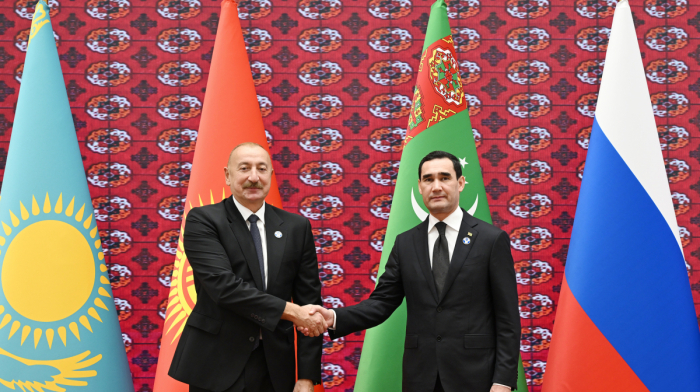
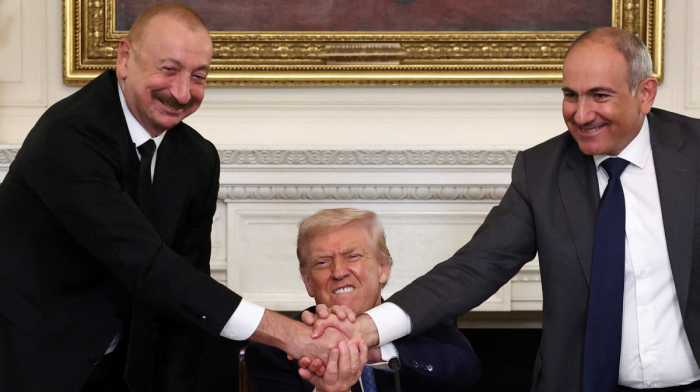
As geopolitical alignments across Eurasia continue to evolve, U.S. engagement in the South Caucasus is once again drawing attention, particularly in r...
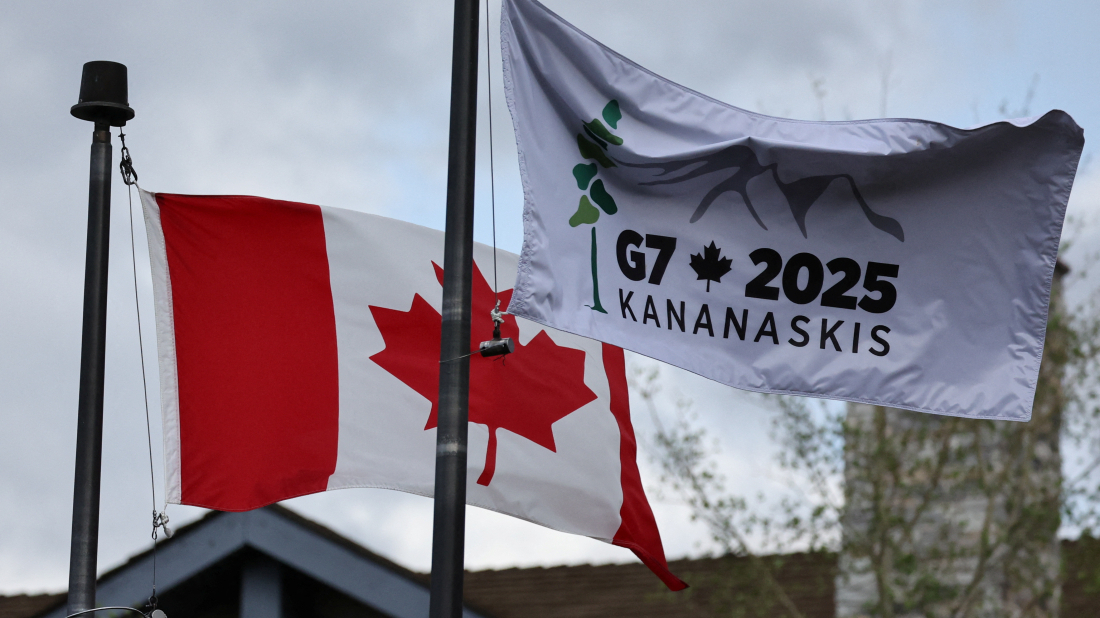
World leaders are gathering in Calgary in Canada for the G7 summit, where the escalating Israel-Iran conflict is set to dominate discussions.
World leaders have begun arriving in the Canadian city of Calgary as the Group of Seven prepares to meet in the Canadian Rockies, with the Israel-Iran conflict expected to top the agenda.
Israel’s decision to attack Iran is likely to shift the summit’s focus, drawing attention away from other priorities as leaders discuss how to manage the escalating tensions.
French President Emmanuel Macron, Japanese Prime Minister Shigeru Ishiba, and European Commission President Ursula von der Leyen have already arrived for the three-day meeting.
The Group of Seven—Canada, France, Germany, Italy, Japan, the United Kingdom, and the United States—will officially begin talks on Sunday. Host nation Canada is aiming to avoid any public confrontations with U.S. President Donald Trump.
Leaders from Ukraine, Mexico, India, Australia, South Africa, South Korea, and Brazil are also expected to join parts of the summit, which runs through Tuesday.

Severe Tropical Storm Jangmi brought heavy rain, power cuts and transport disruption across Japan on Wednesday (3 June) as it tracked towards the greater Tokyo region.
Police officers were pelted with missiles during violent clashes at a protest near the Southampton, UK, home of convicted murderer Vickrum Digwa, as anger continued to grow over the handling of the fatal stabbing of 18-year-old Henry Nowak.
Thousands of people have taken to the streets in Albania in recent days to protest against a luxury tourism project linked to Jared Kushner, the son-in-law of U.S. President Donald Trump, and his wife Ivanka Trump.
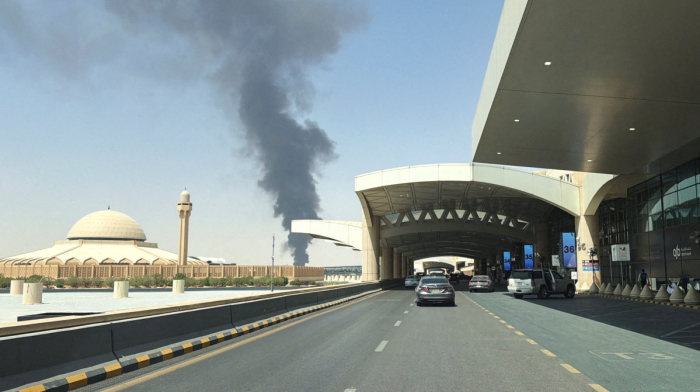
An Iranian drone and missile attack struck Kuwait International Airport early Wednesday, injuring several people, damaging Terminal 1 and forcing flight diversions, Kuwaiti authorities said.
Armenia’s parliamentary election comes at a defining moment for the South Caucasus, a region reshaped by the Garabagh conflict and broader shifts in Russia-West relations. The outcome is increasingly seen as a signal of Armenia’s future foreign policy direction and the regional balance of power.
Start your day informed with the AnewZ Morning Brief. Here are the top stories for the 4 June, covering the latest developments you need to know.
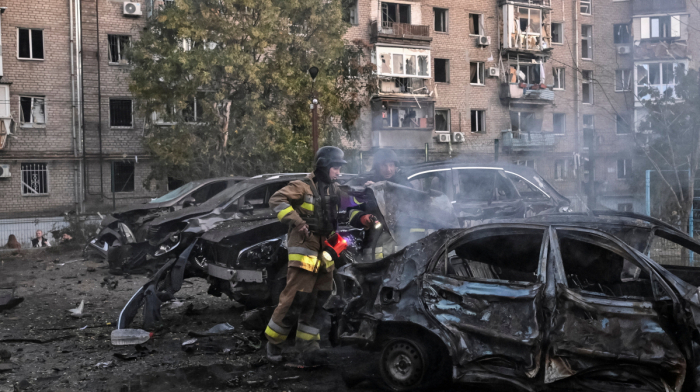
Three people have been killed and seven injured in Ukrainian strikes on Russia-annexed Crimea, according to Kremlin officials in the peninsula, as fighting between Russia and Ukraine continues.
Mass protests by teachers and retired judges, road closures and last-minute construction work caused chaos in Mexico's capital just eight days before the first World Cup match kicks off on 11 June.
China and Britain sat down for a major round of talks in Beijing on Tuesday and walked away with a clear message that the two countries want a better, closer relationship and that they are actively working to build one.
North Korean leader Kim Jong Un called for an "exponential" expansion of the country's atomic arsenal during a visit to a newly operational nuclear material production factory, state media agency KCNA said.
You can download the AnewZ application from Play Store and the App Store.
What is your opinion on this topic?
Leave the first comment