The White House: U.S. ground troops ‘not part of plan’ in Iran
The White House says deploying United States ground troops in Iran is not currently part of the military strategy in ...
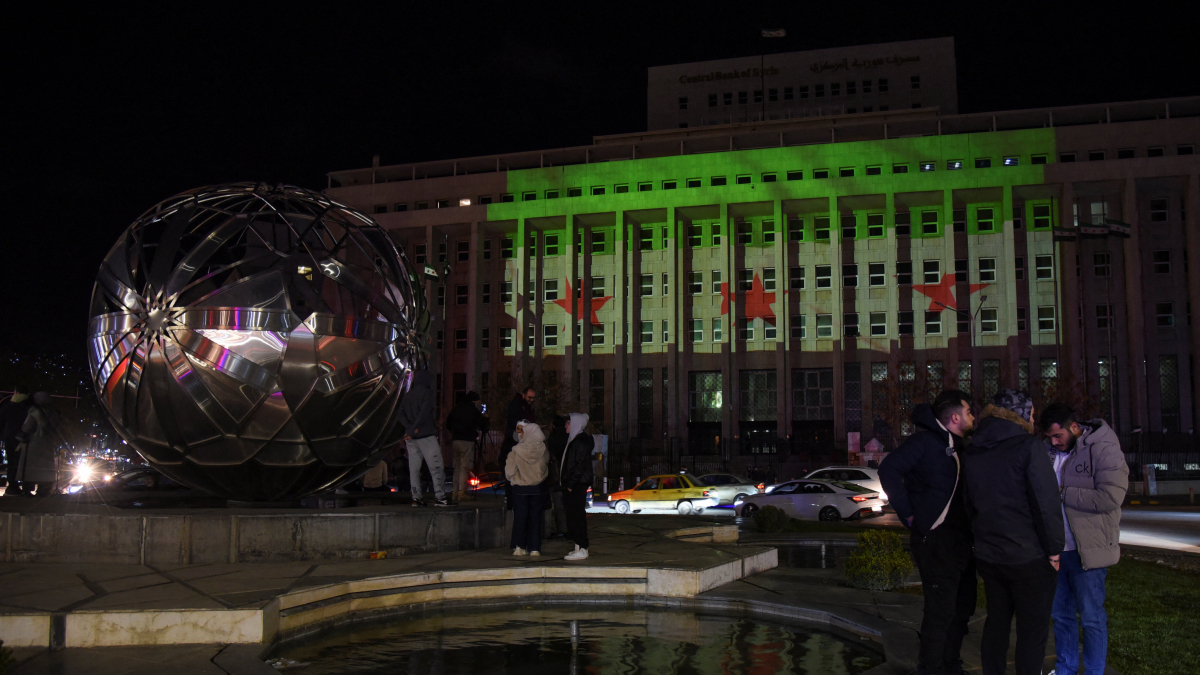
Syria has introduced new banknotes, eliminating zeros and portraits in a move to strengthen national identity and restore confidence in the economy.
The launch ceremony took place at Damascus’ Conference Palace with President Ahmad al-Sharaa, his wife Latifa al-Droubi, and Central Bank Governor Abdul Qader Husariya in attendance. The reform marks the start of a comprehensive monetary transition aimed at boosting confidence in Syria’s financial system.
Consultant Abdulah Al-Shamma said Syrian experts collaborated with Central Bank staff to develop the strategy based on global best practices. The reform is built on five pillars: monetary policy and price stability, a balanced and transparent foreign exchange market, a sound banking sector, secure digital payments, and international financial integration.
President Sharaa described the initiative as ending a previous era and beginning a new stage for Syria. He emphasized that removing zeros simplifies transactions but real economic improvement relies on increasing production, reducing unemployment, and strengthening banks, which he called the “veins of the economy.”
The new banknotes feature symbolic elements tied to Syrian history and culture, moving away from glorifying individuals. Laser displays at the Central Bank showcased the redesigned notes, which aim to revive the country’s historical memory.
The old currency, which included images of former leaders Bashar and Hafez al-Assad, remains in circulation. With the dollar trading at roughly 11,000 Syrian pounds, many residents complained about weak purchasing power requiring them to carry large bundles of cash.

U.S. President Donald Trump said the U.S. military has enough stockpiled weapons to fight wars "forever"; in a social media post late on Monday. The remarks came hours before conflict in Iran and the Middle East entered its fourth day.
U.S. first lady, Melania Trump chaired a UN Security Council meeting on children and education in conflict on Monday (2 March), a move criticised by Iran as hypocritical following U.S. and Israeli strikes that triggered a UN warning about risks to children.
A torpedo from a U.S. submarine sunk an Iranian warship off the coast of Sri Lanka, U.S. Secretary of Defense, Pete Hegseth told reporters as the Iranian conflcit entered its fifth day on Wednesday.
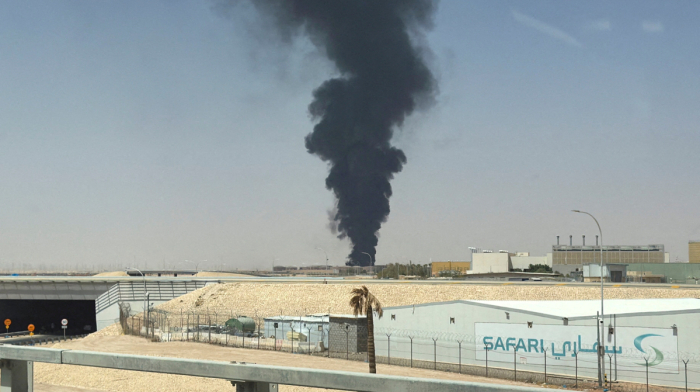
The U.S. embassy in Riyadh was hit by two drones resulting in a limited fire and some material damage, the kingdom's defence ministry said in a post on X on Tuesday, citing an initial assessment.
Shahid Motahari Sub-Speciality Hospital in northern Tehran and parts of the Golestan Palace were bombed on day two of the U.S.‑Israel strikes. AnewZ Touraj Shiralilou is in Iran's capital city and said that the facility was flattened in an airstrike.
The White House says deploying United States ground troops in Iran is not currently part of the military strategy in the ongoing conflict with Tehran.
Israel has warned residents to leave a significant area in southern Lebanon, instructing them to move north of the Litani River as hostilities with the Iran-backed Lebanese group Hezbollah intensified on Wednesday.
U.S. Defense Secretary Pete Hegseth says the United States is making gains in its conflict with Iran after a key Iranian naval target was destroyed, confirming that the strike was carried out by a U.S. submarine off the coast of Sri Lanka. Rescue efforts are now under way for the ship’s crew.
Start your day informed with AnewZ Morning Brief. Here are the top news stories for the 4th of February, covering the latest developments you need to know.
Strikes across the Middle East are intensifying, fuelling travel disruption, driving up global energy prices and forcing diplomatic missions to shut their doors.
You can download the AnewZ application from Play Store and the App Store.
What is your opinion on this topic?
Leave the first comment