Russia-Ukraine peace talks in Abu Dhabi: What you need to know
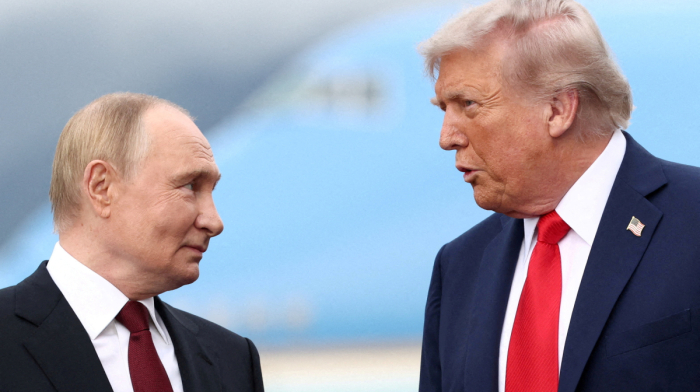
Ukrainian and Russian negotiators began the second round of U.S.-brokered talks in Abu Dhabi on Wednesday, according to Ukrainian officials....
Algeria's parliament has unanimously passed a law declaring France's colonisation of the North African state a crime, and demanding an apology and reparations.
The legislation lists crimes committed during French rule from 1830 to 1962, including mass killings, deportations, nuclear tests, torture, and the systematic plundering of resources.
It also demands full compensation for material and moral damages suffered by the Algerian people during the occupation.
France’s rule over Algeria included the bloody war of independence from 1954 to 1962.
Algeria estimates the conflict killed around 1.5 million people, while French historians put the total at roughly 500,000, including 400,000 Algerians.
France has previously recognised colonisation as a “crime against humanity” but has not issued a formal apology.
Algeria hosted a conference last month involving African states to advocate for justice and reparations. Foreign Minister Ahmed Attaf stated that any restitution would not be considered a gift or favor but a legal obligation.
Relations worsened last year when France recognised Moroccan sovereignty over Western Sahara and supported a plan for limited autonomy, while Algeria remains a key supporter of the pro-independence Polisario Front.
Analysts say Algeria’s law is largely symbolic, with no legal effect on France, but it marks a significant rupture in diplomatic and historical relations.

Talks with the U.S. should be pursued to secure national interests as long as "threats and unreasonable expectations" are avoided, President Masoud Pezeshkian posted on X on Tuesday (3 February).
Cuba’s Deputy Foreign Minister Carlos Fernández de Cossío has denied that Havana and Washington have entered formal negotiations, countering recent assertions by U.S. President Donald Trump, while saying the island is open to dialogue under certain conditions.
Mexico said it will stop sending oil to Cuba as U.S. President Donald Trump ramped up pressure on the Caribbean nation.
Web Summit Qatar 2026 opened in Doha on Sunday, drawing tens of thousands of founders, investors, policymakers and technology leaders to what organisers describe as one of the region’s largest digital economy gatherings.
Any U.S. military strike on Iran would almost certainly trigger cross-border retaliation and could ignite a wider regional war, according to political analyst James M. Dorsey.
Ukrainian and Russian negotiators began the second round of U.S.-brokered talks in Abu Dhabi on Wednesday, according to Ukrainian officials.
Tech billionaire Elon Musk said the search at his social media platform X offices in Paris on Tuesday by French authorities was a "political attack".
Thousands of documents linked to the late sex offender Jeffrey Epstein have been taken down from the U.S. Justice Department’s (DOJ) website after victims and their lawyers warned that sensitive personal information had been exposed.
Start your day informed with AnewZ Morning Brief: here are the top news stories for the 4rd of February, covering the latest developments you need to know.
U.S. Secretary of State Marco Rubio met with Indian Foreign Minister Subrahmanyam Jaishankar on Tuesday (February 3) one day after the U.S. and India signed a trade deal.
You can download the AnewZ application from Play Store and the App Store.
What is your opinion on this topic?
Leave the first comment