Thailand’s military has halted fuel shipments through a key border checkpoint with Laos, citing intelligence that supplies were being diverted to Cambodian forces amid escalating clashes along the disputed frontier.
Thailand’s armed forces said on Monday they had stopped all fuel movements through the Chong Mek border crossing into Laos after receiving information that shipments were being rerouted to Cambodia. Rear Admiral Surasant Kongsiri, a spokesperson for the Thai Defence Ministry, said the measure was aimed at preventing the military use of the fuel and was not intended to affect Laos or its population.
The move comes as fighting between Thai and Cambodian forces continues at multiple points along their 817 km land border. Both sides report sustained clashes with no clear sign of de-escalation, despite international efforts to revive a ceasefire, including calls by U.S. President Donald Trump. A special meeting of Southeast Asian foreign ministers, which could have brought officials from both countries together, has been postponed until 22 December at Thailand’s request, Malaysia’s foreign ministry said.
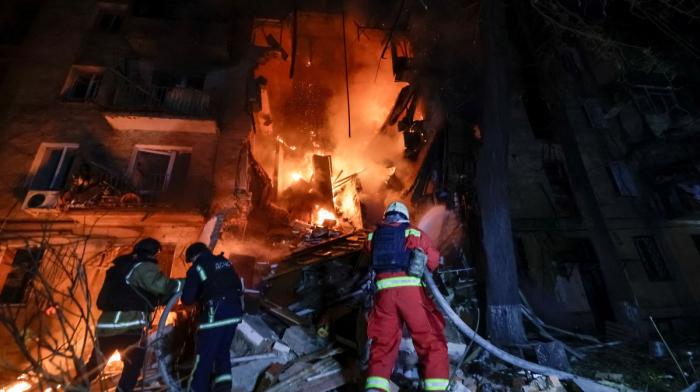
The latest round of fighting is described by officials as unprecedented in scale and intensity, stretching from forested areas near the Laos border to coastal provinces. National authorities say more than 500,000 people have been displaced, and at least 38 people have been killed over the past eight days. Evacuations were also carried out in July during a five-day flare-up that ended with a Trump-brokered truce.
Thai officials said the military is also considering restricting the movement of Thai vessels in what it described as high-risk areas of Cambodian waters, where ships could come under fire. A navy official said any such steps would not affect cargo from other countries.
Cambodia relies heavily on seaborne imports for refined fuel such as gasoline, gasoil and jet fuel. Trade sources say Singapore is currently Cambodia’s largest supplier, with about 915,000 metric tons delivered so far this year, according to Kpler ship-tracking data. Supplies from Thailand have dropped sharply to around 30,000 tons this year, down from nearly 180,000 tons last year. Thailand’s energy ministry said on Friday there had been no oil exports to Cambodia since July.
Meanwhile, fighting continues at at least nine locations along the border. Thai officials reported heavy exchanges of fire across four provinces, including coastal areas. Cambodia accused Thailand of using drones, heavy artillery and F-16 fighter jets in airstrikes in Siem Reap province, home to Angkor Wat and the country’s second-largest city. Thailand has not confirmed those claims but maintains that its military actions are defensive.
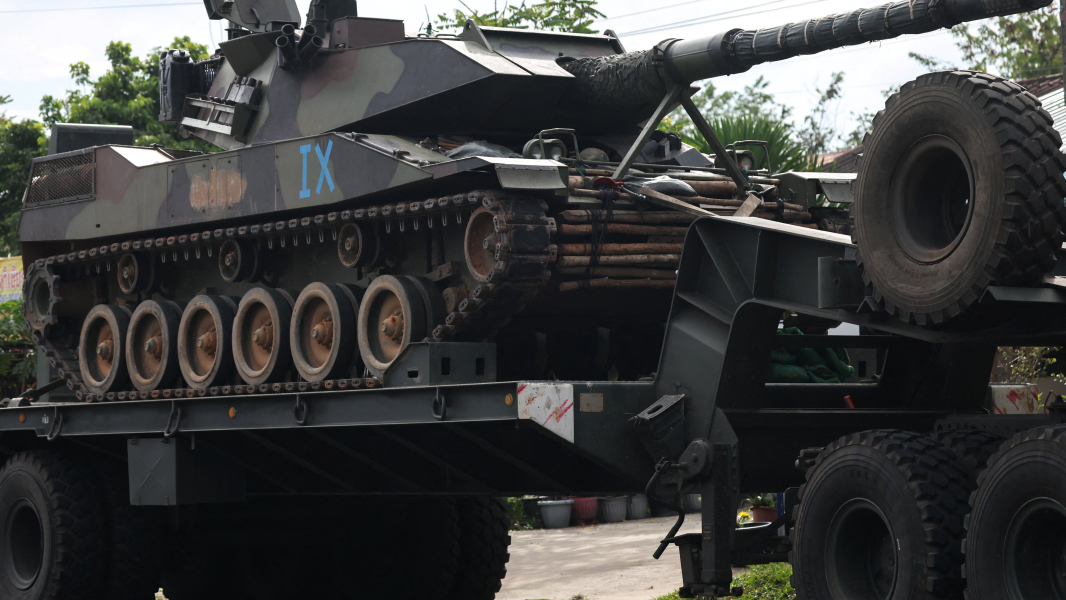
Thailand’s armed forces are significantly larger and better equipped than Cambodia’s, with a modern air force and navy. Both sides accuse each other of actions that undermined the July truce, which was later expanded in October into a broader framework to calm tensions. Bangkok says any end to the current fighting must begin with a clear ceasefire and a halt to hostilities, while Phnom Penh insists it is acting in self-defence.













What is your opinion on this topic?
Leave the first comment