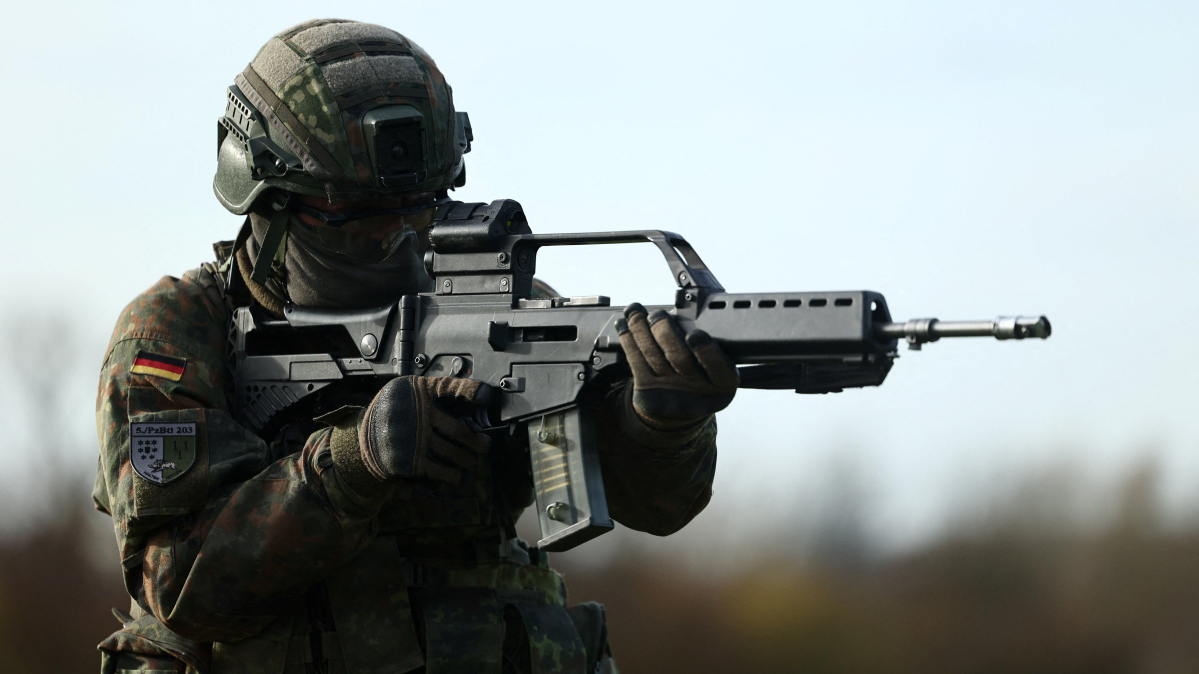
Are Europe’s defence structures prepared to meet evolving threats from Russia? Recent remarks by NATO and intelligence officials have highlighted gaps that could shape European security over the next five years.
Speaking to AnewZ, Marco Di Liddo, Director at the Centre for International Studies, analysed these concerns and the broader geopolitical context. Di Liddo outlined three primary gaps identified by NATO Secretary General Mark Rutte.
“The first one is the increasing gap politically that is growing between the two sides of the Atlantic Ocean. So this increasing political and strategic fracture between U.S. and Europe.” According to Di Liddo, this gap complicates collective decision-making and weakens the coherence of NATO’s core alliance.
The second gap, he said, lies within Europe itself. “In Europe, we lack unity of intent and unity of perception on Russian current aggression on Ukraine, possible response, possible strategy to reinforce deterrence, and possible future scenarios about confrontation with Russia, how to manage this threat.” This lack of consensus on strategy and threat perception, Di Liddo explained, poses challenges for coordinated defence planning and limits Europe’s ability to respond effectively to Russian military and hybrid operations.
“The Secretary Rutte knows that, to build a renewable defence forces, you need a lot of money. And to do that, you need to increase your public spending. You need long-term projects. And in this aspect, Europe has not yet used the full-budget capabilities.”
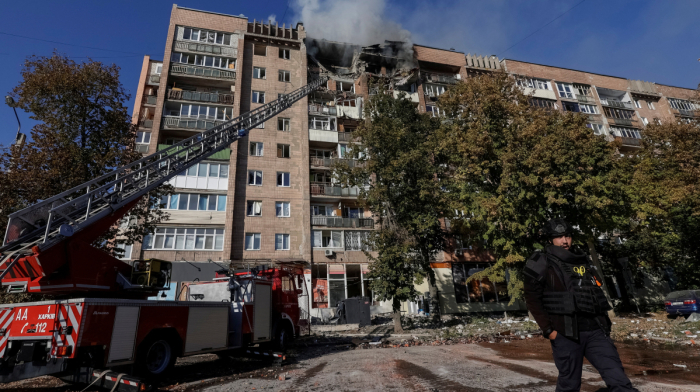
When asked whether Russia could realistically deploy military force against NATO within five years, Di Liddo stressed that multiple assessments converge on the likelihood of potential aggression. “This kind of assessment is not coming only from NATO, but it's coming also from the German Secret Service, the UK Secret Service, that, according to their analysis, they think that Russia can arm Europe in the next future, from three to five years.” He added that threats extend beyond conventional forces, including missile capabilities and hybrid tactics, which Europe has been experiencing since 2014.
He explained that NATO’s cautious phrasing reflects the complexity of the scenario. “Rutte uses the expression could be in position because it depends from many patterns and from the evolution of many factors. The first one is how we will deal the Ukrainian war and which kind of political outcome and which kind of political deal, if there will be a political deal, we will build altogether. U.S., Ukraine, Europe and Russia.” He noted that the outcome of the war, Russia’s economic strategy, and the support Moscow receives from Global South partners including India, North Korea, and especially China will all influence the alliance’s threat assessment.
Domestic political pressures in Europe also shape the calculus, Di Liddo said. Leaders such as Prime Minister Starmer and President Macron face significant constraints in decision-making due to internal political dynamics, making coordinated long-term planning more challenging.
Di Liddo’s observations highlight the growing challenges NATO faces, providing context for the Secretary-General’s recent call for European leaders to urgently bolster defence capabilities in response to the Russian threat and ongoing developments in Ukraine.
The evolving military and hybrid threats from Russia, coupled with internal European and transatlantic pressures, underscore the need for long-term strategic planning. Europe’s ability to maintain stability and credible deterrence will depend on systematically addressing these gaps through coordinated investment, shared threat perception, and sustained political commitment.










What is your opinion on this topic?
Leave the first comment