
1h ago
Georgia
Georgia’s Foreign Policy Crossroads
Georgia is entering one of the most consequential phases of its foreign policy in years....



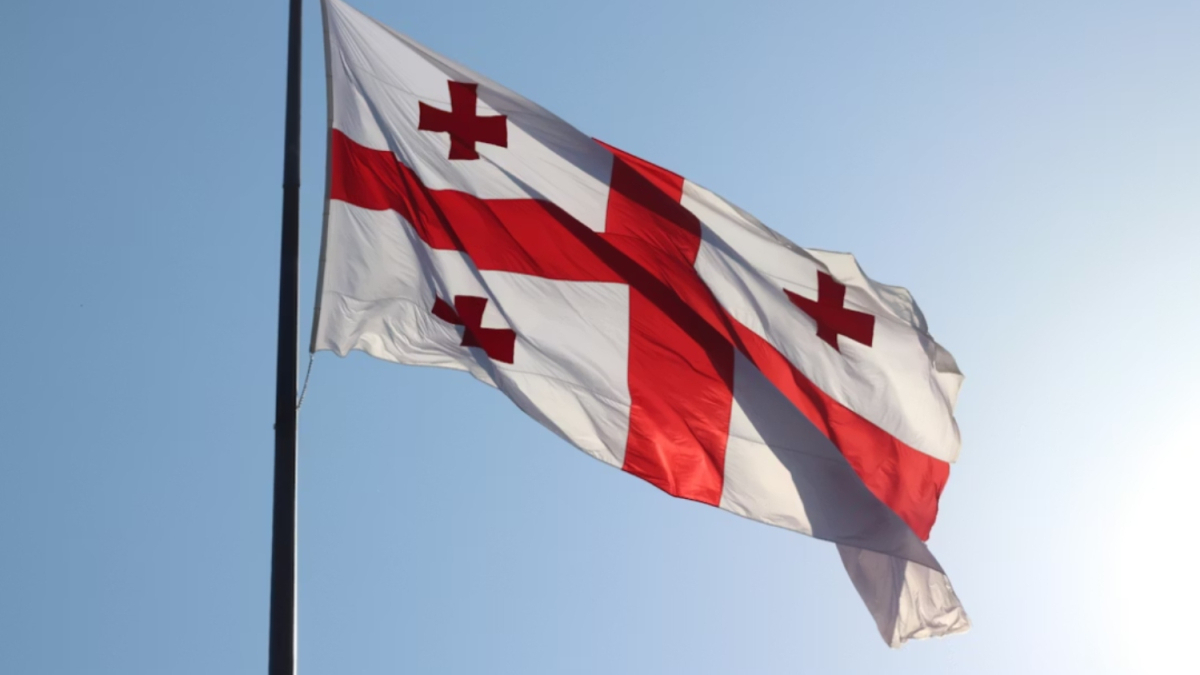


Georgia is entering one of the most consequential phases of its foreign policy in years.
The release of the U.S.National Security Strategy, Prime Minister Irakli Kobakhidze’s interpretation of European political trends, and the EU’s unexpected proposal for a new quadrilateral Middle Corridor platform are reshaping Tbilisi’s geopolitical reality. The developments raise a fundamental question: Is Georgia being strategically sidelined, and if so, why now?
U.S. National Security Strategy: A Document Tbilisi Sees as Validation
Prime Minister Kobakhidze quickly seized on the new U.S. National Security Strategy, arguing that Washington’s diagnosis of Europe—its political fragmentation, media pressure, and economic slowdown—mirrors concerns his government has raised for years.
For the ruling party, this alignment is proof that Europe’s internal challenges are deeper than Brussels acknowledges.
For critics, it is a selective reading aimed at justifying Tbilisi’s controversial policy choices.
Regardless, the document has become a new political tool in Georgia’s domestic debate over alignment with the West.
How the Transparency Law Strained Georgia–EU Relations
The Transparency of Foreign Influence Law—often described by opponents as “the Russian law”—triggered Georgia’s biggest political crisis in a decade.
The law requires NGOs and certain media outlets receiving significant foreign funding to register as organizations “bearing the interests of a foreign power.” European institutions warned that the law:
The Georgian government defended the bill as a “sovereignty protection measure,” but the fallout was immediate:
This domestic rupture directly shaped how Brussels now interprets Georgia’s reliability as a long-term partner.
Europe’s Quadrilateral Middle Corridor Plan: A Warning Sign?
The most strategic development came from Brussels:
The EU is now exploring a quadrilateral format on East–West connectivity that would include Azerbaijan, Türkiye, Armenia, and the EU—but not Georgia.
For a country that has long branded itself as the regional transport hub, exclusion from such a platform is significant.
The move does not necessarily mean the EU is abandoning Georgia. But it signals:
Hedging against political uncertainty in Tbilisi,
Reducing reliance on a single transit route, and
Testing alternative channels in case of long-term friction.
This is a strategic, not emotional, calculation. Europe’s infrastructure planning is increasingly driven by risk management—not political symbolism.
Why Is Georgia at Risk of Being Marginalized?
Several factors intersect:
1. Political Volatility in Tbilisi
Disputes over the Transparency Law and protest handling have reduced trust in Georgia’s political direction.
2. Western Policy Fragmentation
The West is no longer ideologically unified:
The U.S. prioritizes security resilience and strategic stability.
Liberal EU states emphasize human rights and civil liberties.
Conservative EU states push for sovereignty, border control, and pragmatic engagement with neighbors.
Georgia has struggled to position itself clearly within these diverging agendas.
3. Europe’s Urgent Need for Diversified Transport Routes
The geopolitical shock of the Russia–Ukraine war pushed the EU to seek multiple logistical alternatives.
If one partner becomes unpredictable, the EU ensures there is a “Plan B.”
4. Georgia’s Own Foreign-Policy Ambiguity
Mixed messages—pro-EU declarations combined with confrontations with EU institutions—have made Brussels cautious.
Is Georgia Truly Being Isolated?
Not yet—but it is at a strategic tipping point.
Georgia’s geography remains an irreplaceable asset. Its infrastructure, ports, and transit links still make it a natural part of the Middle Corridor. But credibility is now as important as geography.
If trust erodes further, the region will continue to evolve around Georgia rather than with it.
The Road Ahead: A Choice That Can’t Be Delayed
Georgia’s future influence depends on three pillars:
The quadrilateral EU proposal is a warning shot—not a final decision.
Georgia still has time to reintegrate itself into Europe’s regional plans, but the window is narrowing.
Georgia stands at a critical foreign-policy crossroads.
The U.S. strategy, EU internal divisions, the Transparency Law backlash, and new Middle Corridor formats all converge to create a decisive moment. Whether Georgia strengthens its role as a regional hub—or watches new routes materialize around it—depends on the choices it makes now.

Georgia is entering one of the most consequential phases of its foreign policy in years....

Paramount Skydance (PSKY.O) has launched a $108.4 billion hostile takeover bid for Warner Bros Discovery (WBD.O). The escalation follows a high-stakes...

A tsunami of up to three meters (10 feet) could hit Japan’s northeastern coast following a powerful earthquake with an estimated magnitude of 7.6 th...
On December 8, an official welcome ceremony was held for President Ilham Aliyev of Azerbaijan in Bratislava, Slovakia. The ceremony took place at the ...
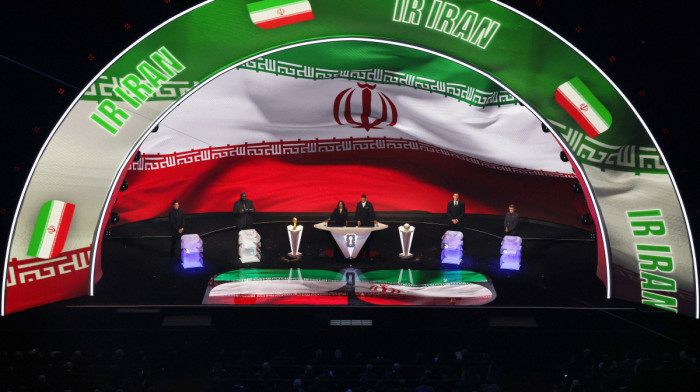
Tehran has protested to Washington because of the travel ban on its football team delegation as well as Iranian fans who would like to travel to the U...
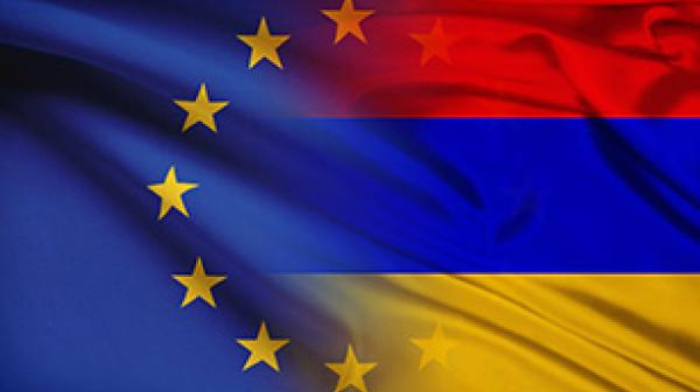
The European Union’s newly adopted Partnership Agenda with Armenia has prompted strong concern in Baku, where officials say several passages depart from factual accuracy and introduce political messages that could damage an already fragile negotiation environment.
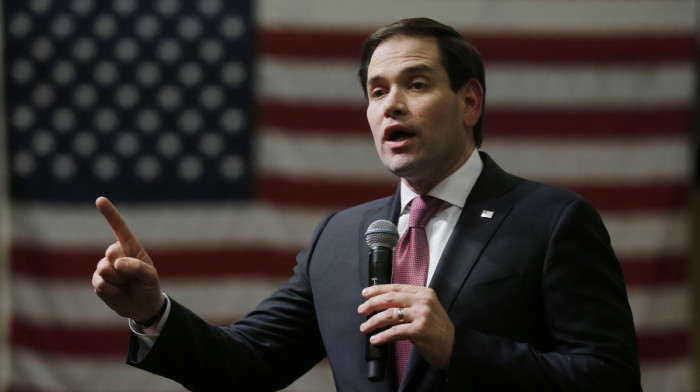
The U.S. Secretary of State Marco Rubio sharply condemned the European Commission’s decision to fine American social media company X €120 million (approximately $140 million), calling it an assault on U.S. technology companies and their users.
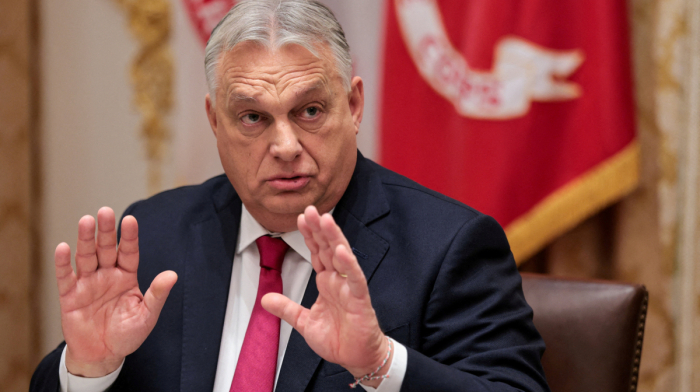
Hungarian Prime Minister Viktor Orbán has claimed that the European Union is “drowning in corruption,” criticising Brussels for failing to hold itself or Ukraine accountable amid recent scandals.
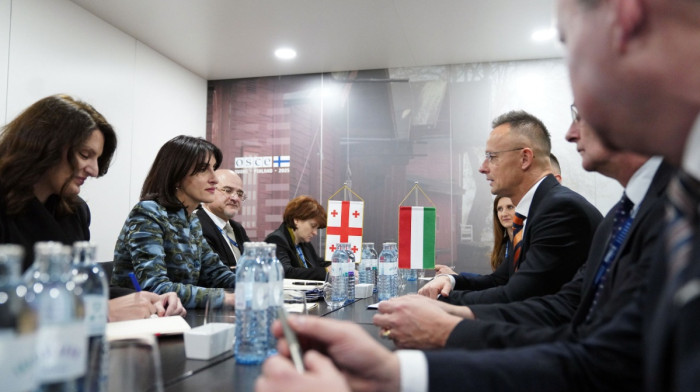
The 32nd Organisation for Security and Co-operation in Europe (OSCE) Ministerial meeting in Vienna exposed a sharp divergence between governance priorities in Brussels and Tbilisi.

A coup attempt by a “small group of soldiers” has been foiled in Benin after hours of gunfire struck parts of the economic capital Cotonou, officials said on Sunday.

A delayed local vote in the rural Honduran town of San Antonio de Flores has become a pivotal moment in the country’s tightest presidential contest, with both campaigns watching its results as counting stretches into a second week.
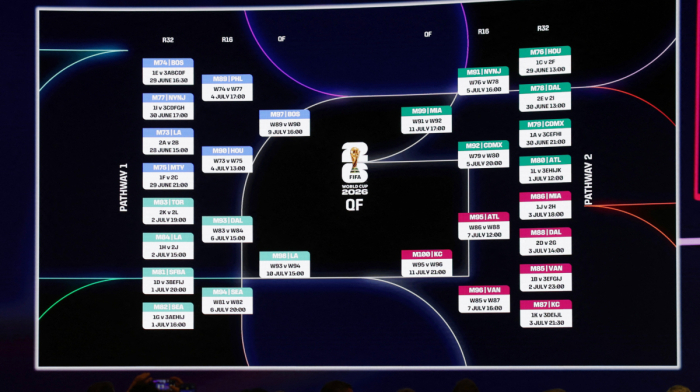
FIFA releases the 2026 World Cup schedule with match dates, venues, and key fixtures. See when host nations USA, Mexico, and Canada play and get an overview of group stage and knockout rounds.
A tsunami of up to three meters (10 feet) could hit Japan’s northeastern coast following a powerful earthquake with an estimated magnitude of 7.6 that occurred offshore on Monday, according to the Japan Meteorological Agency (JMA).
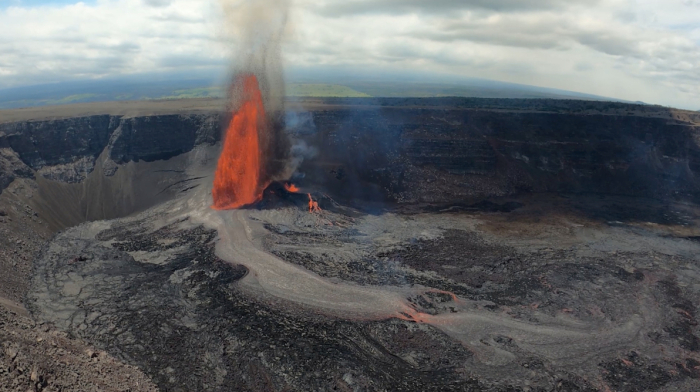
Lava fountains shot from Hawaii’s Kīlauea volcano from dawn to dusk on Saturday, with new footage showing intensifying activity at the north vent.
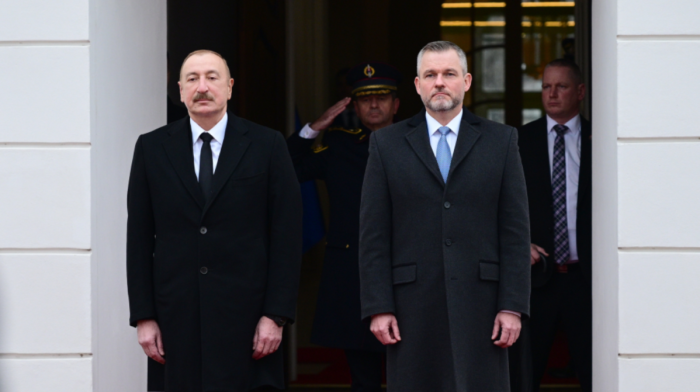
On December 8, an official welcome ceremony was held for President Ilham Aliyev of Azerbaijan in Bratislava, Slovakia. The ceremony took place at the Presidential Palace, where a guard of honor was lined up to greet the Azerbaijani president.

Uzbekistan, Kyrgyzstan and Tajikistan have begun upgrading cross-border electricity transmission lines to increase regional power capacity, a move announced after high-level meetings in Tashkent and confirmed by officials in Bishkek.
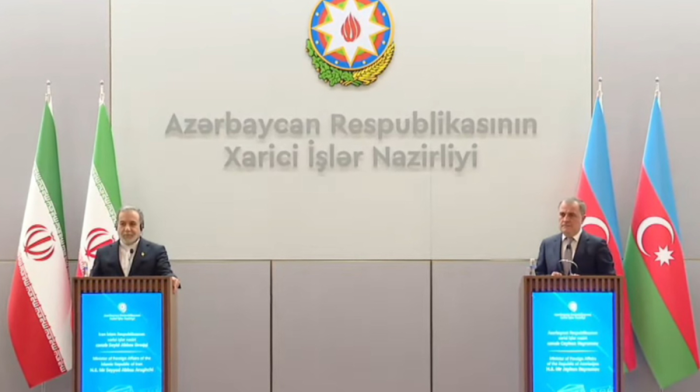
Azerbaijan's Minister of Foreign Affairs Jeyhun Bayramov held both a tête-à-tête and an extended-format meeting with Seyed Abbas Araghchi, the Foreign Minister of Iran, in Baku on Monday (8 December).
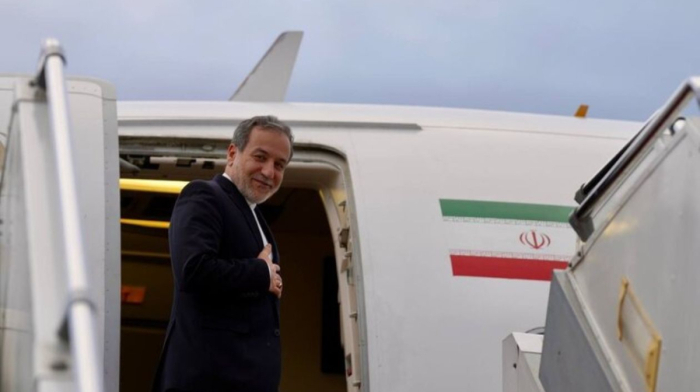
Iranian Foreign Minister Abbas Araghchi left Tehran for Baku on Sunday (7 December) evening to hold talks with Azerbaijan’s President and Foreign Minister.
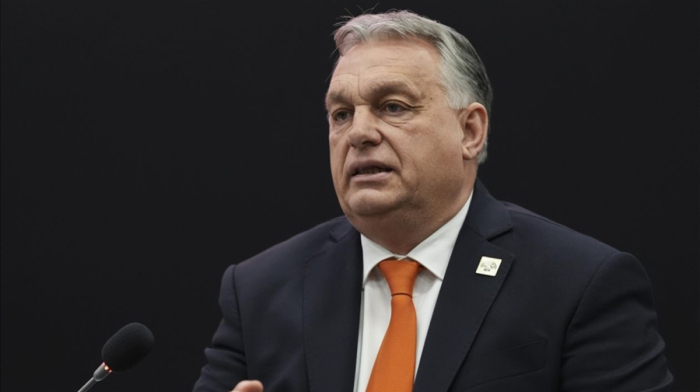
Hungarian Prime Minister Viktor Orban is in Türkiye on Monday (8 December) for an official visit. The trip, at the invitation of the Turkish president, will see Orban attend the seventh meeting of the Türkiye-Hungary High-Level Strategic Cooperation Council.
You can download the AnewZ application from Play Store and the App Store.




What is your opinion on this topic?
Leave the first comment