U.S. Secretary of War Pete Hegseth defends follow-up strike on suspected drug boat in the Caribbean, denies authorizing the killing of all onboard, and comments on protocols for military operations.
Hegseth Addresses Controversial Caribbean Strike
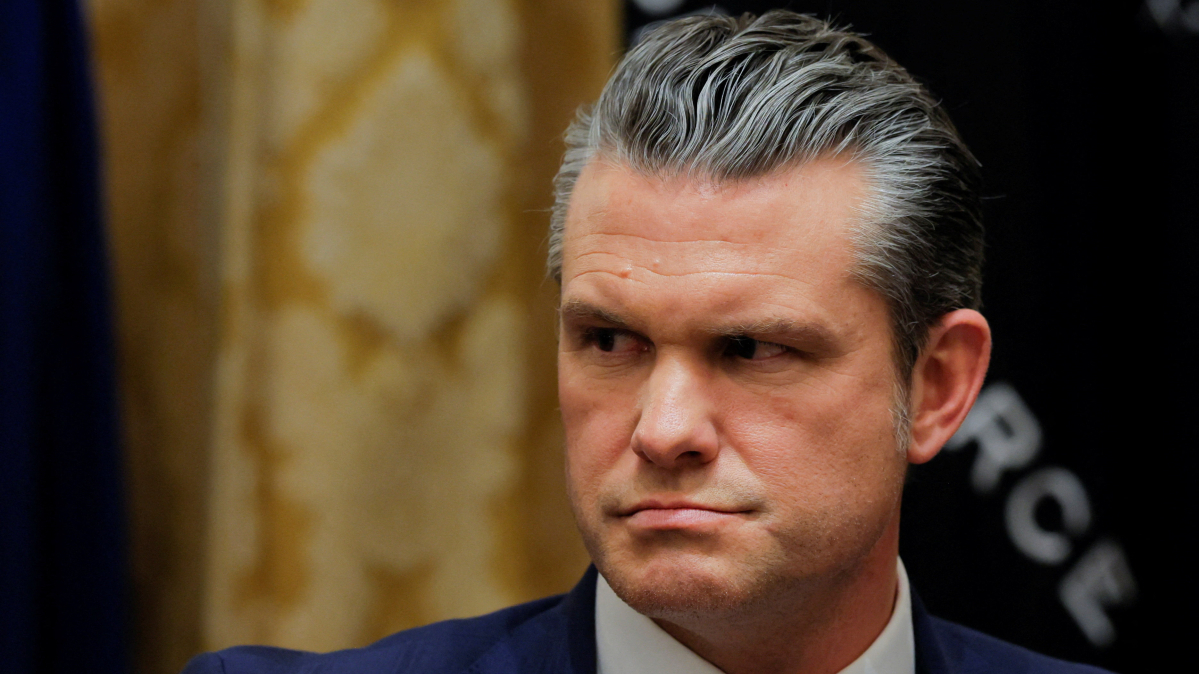
U.S. Secretary of Defence, now redesignated Secretary of War under the Trump administration, Pete Hegseth defended the 2 September military strike on a suspected drug trafficking vessel in the Caribbean during remarks at a defense industry forum on Saturday, 6 December.
The strike, which killed 11 suspected drug traffickers, left several survivors who were later killed in a follow-up strike. Critics have questioned whether the operation violated international law and whether Hegseth bore responsibility for the deaths.
Secretary of War’s Comments on Decision-Making
Hegseth explained that the decision to authorize the strike was within his authority at the time but emphasised that most tactical military decisions are deferred to local commanders.
"Not many military decisions should be made by the Secretary of War," Hegseth said. "I believe in deferring those decisions to local commanders as much as possible. But because of the strategic implications of the first few strikes, I wanted to hold that decision at my level."
He described the pre-strike briefing as extensive and exhaustive, involving military, civilian, legal, and intelligence teams. Hegseth said he personally reviewed the criteria for the strike, then approved its execution.
Addressing Claims About the Strike
When asked if he had ever ordered that “everybody on board should be killed,” Hegseth strongly denied the allegation.
"Of course not. Anybody that's been in the situation room or war room knows you don't walk in and say, ‘Kill them all.’ It’s just patently ridiculous," he said.
Hegseth clarified that protocols for dealing with survivors existed. In this particular case, a semi-submersible vessel was struck, and some individuals who attempted to escape were later recovered and returned to their host countries.
Follow-Up Strike and Operational Context
Hegseth explained that a follow-up strike was required due to ongoing threats, including remaining combatants and drug caches.
"Later on, a couple of hours later, there had to be a re-attack because there were a couple folks still in the fight. I said, Roger, sounds good. I fully support that strike and would have made the same call myself."
He stressed that the decision-making process aligns with standard military protocol, noting that restrikes of combatants in active conflict are routine, as seen in operations in Iraq and Afghanistan.
On Releasing Strike Footage
Hegseth said that the administration is reviewing the potential release of the full video of the strike.
"The most important thing to me are ongoing operations in the Caribbean with our folks that use bespoke capabilities, techniques, procedures. I'm way more interested in protecting that than anything else," he said.
Statement on U.S. Resolve Against Narco-Terrorism
Closing his remarks, Hegseth framed the strikes within the broader U.S. anti-drug mission:
"The days in which these narco-terrorists operate freely in our hemisphere are over. They are the Al-Qaeda of our hemisphere, and we are hunting them with the same sophistication and precision that we hunted Al-Qaeda. We are tracking them, we are killing them, and we will keep killing them so long as they are poisoning our people with narcotics."











What is your opinion on this topic?
Leave the first comment