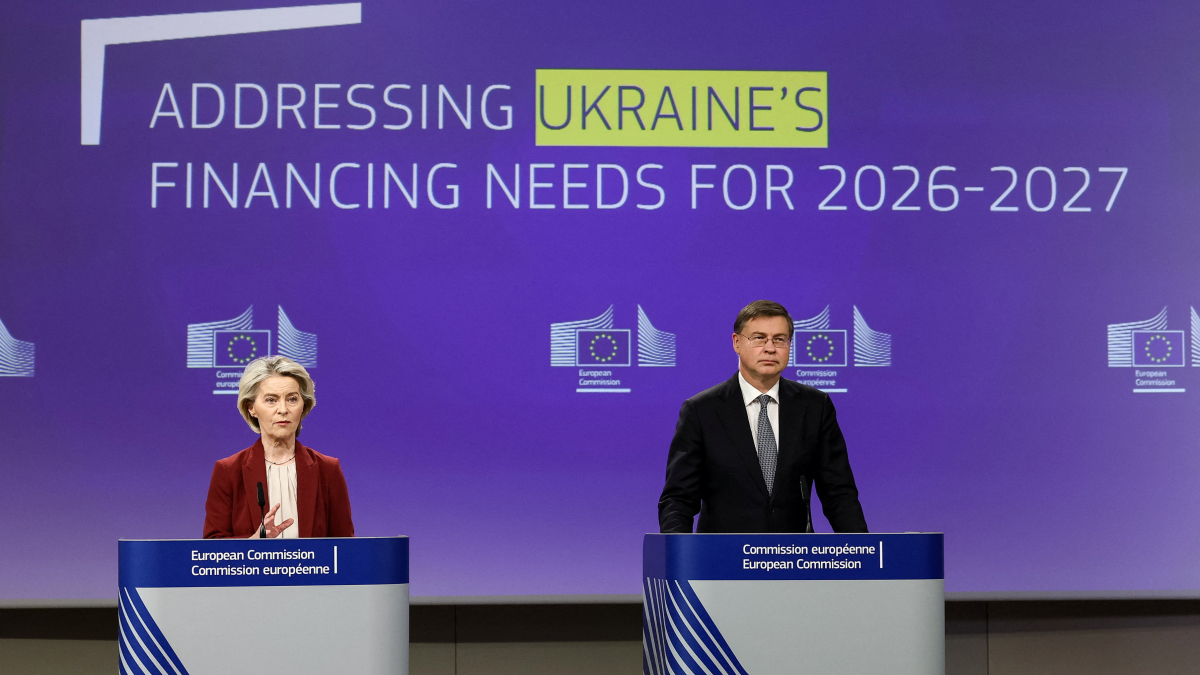
The European Commission has proposed a $105B support package for Ukraine for 2026–2027, combining joint European Union borrowing with proceeds from frozen Russian assets held in the bloc.
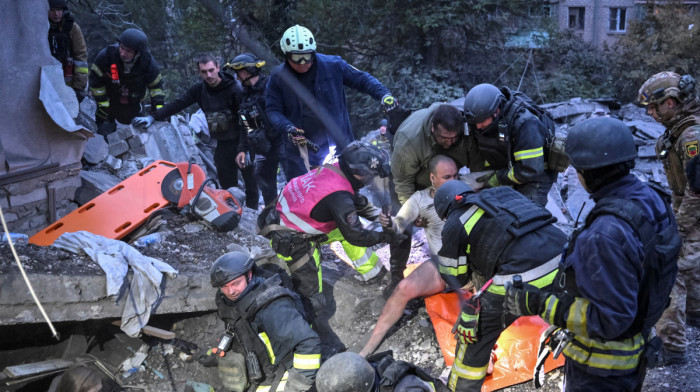
European Commission President Ursula von der Leyen described Ukraine as facing a “critical juncture,” with peace talks ongoing while Russia “intensifies its attacks.”
She noted that the International Monetary Fund (IMF) estimates Kyiv will need €135 billion over the next two years to maintain essential state functions and continue defence operations. The EU says it would cover two‑thirds of that amount, with international partners expected to provide the remainder.
The proposal offers two financing options. The EU could raise funds on capital markets backed by the EU budget and lend them to Ukraine, requiring unanimity from all member states. Alternatively, the Commission could borrow against immobilised Russian Central Bank assets held in EU financial institutions, transferring the funds to Kyiv as a “reparations loan”, repayable only once Russia compensates for the war. This option could be adopted by qualified majority voting.
Von der Leyen emphasised that the package includes extensive safeguards to protect EU countries and financial institutions from potential Russian retaliation or legal challenges in third countries. A solidarity mechanism would allow all EU states to collectively absorb residual risks, addressing concerns from Belgium, which hosts Euroclear, the main holder of frozen Russian assets.
However Russia has warned the EU and Belgium against using its assets, which it says would be an act of theft.
The Commission says the scheme does not amount to confiscation as the money would be in the form of a loan - although Ukraine would only have to redeem it if Russia pays reparations.
Belgium warns the proposal could face legal problems and financial liability alone, insisting that all member states share the risks.
“The message to Russia is that the Reparations Loan is increasing the cost of its war of aggression. So it’s an invitation to come to the negotiation table to finally find peace,” added Von der Leyen.
European Central Bank President Christine Lagarde told a European Parliament hearing that using a reparations loan would be a stretch, legally and financially, though it would "hopefully" respect international law and financial stability.
The senior Belgian official, however, said, "Compensation for unlawful expropriation can far exceed the value of the assets and include compound interest and lost opportunities."
The proposal does not provide "an unconditional right for Euroclear to claim compensation in any situation where it has to pay the Central Bank of Russia, or would be exposed to Russian retaliation," the official added.
Hours earlier, before the Commission's legal proposals were presented, Belgian Foreign Minister Maxime Prevot declared that they fell short of Belgium's requirements.
The issue is likely to come to a head at an EU leaders summit on 18-19 December, when the Commission said it hoped to clinch a firm commitment by member states.
Belgium has demanded that other EU countries guarantee they will cover all legal costs arising from any Russian lawsuits against the scheme. It also wants them to guarantee they would help provide money quickly to pay Russia back if a court ever ruled Moscow must be refunded.
















What is your opinion on this topic?
Leave the first comment