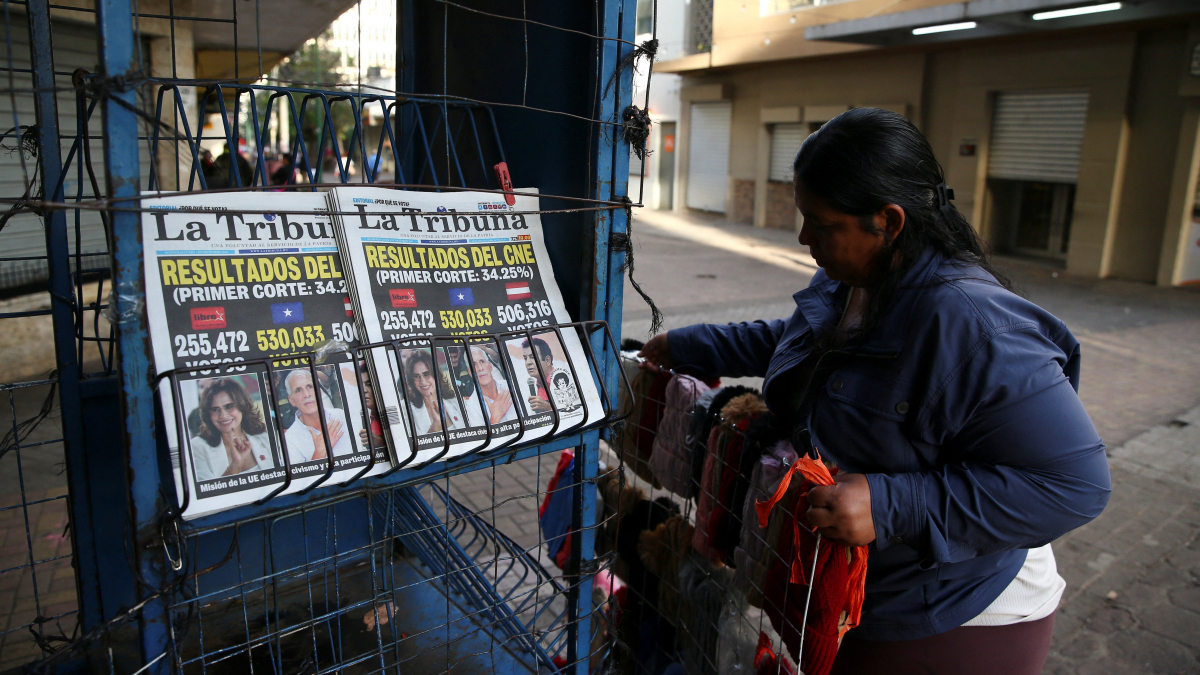
Honduran presidential candidates Nasry Asfura and Salvador Nasralla were practically tied in the latest vote count on Monday, with both holding just under 40% of the vote in a tight race beset by problems on the official results website.
Around midday in Honduras, the electoral authority’s website showed conservative National Party candidate Nasry Asfura, backed by U.S. President Donald Trump, leading Liberal Party candidate Salvador Nasralla by just 515 votes.
It was unclear how many ballots had been counted due to persistent problems with the official results portal. Rixi Moncada of the ruling LIBRE Party trailed in third with 19%.
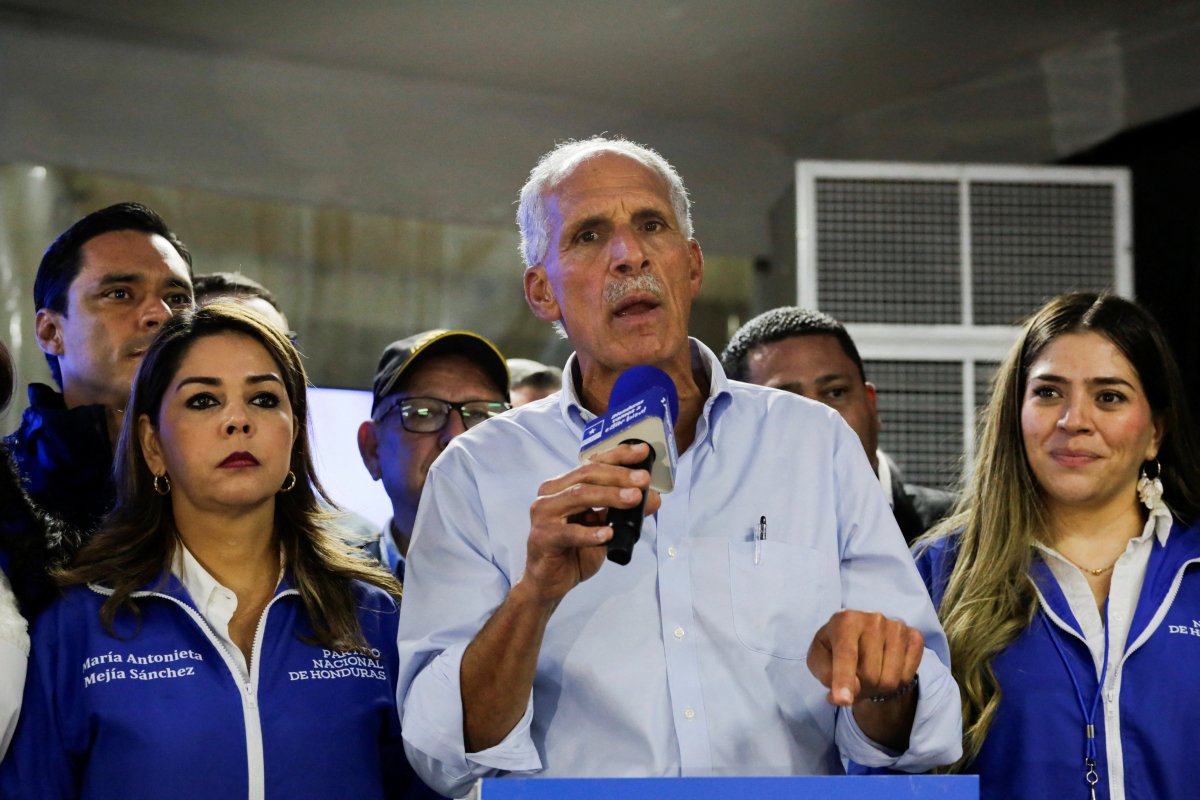
Nasralla wrote on X that internal projections placed him ahead with 44.6%, adding, “We are not declaring ourselves the winners, just projecting the results that will be fed into the CNE in the next hours.”
National Party figures criticised him for speaking before official results were released.
CNE President Ana Paola Hall urged calm amid the “technical tie” and appealed for patience as the count continued. Asfura’s razor-thin lead has narrowed sharply since preliminary results were published on Sunday evening.
Trump weighed in as the margin tightened, claiming Honduras appeared to be “trying to change the results of their Presidential Election,” and alleging the count had been halted prematurely.
“If they do there will be hell to pay!” he wrote on Truth Social.
Whoever wins will govern Honduras from 2026 to 2030. There is no second round.
Outgoing President Xiomara Castro reposted a message from her husband, former President Manuel Zelaya, calling for vigilance while “awaiting the final count, with 100% of the presidential ballots tallied.”
Throughout Monday morning, the results website was repeatedly offline, frustrating voters and drawing criticism from local media.
Trump weighs in to support Asfura
Trump has thrown his support behind Asfura, a 67-year-old former Tegucigalpa mayor, praising him as a partner on drug-trafficking issues and warning that “if he doesn’t win, the United States will not be throwing good money after bad.”
On Friday, Trump said he would pardon former President Juan Orlando Hernández, who is serving a 45-year sentence in the United States on drug-trafficking and firearms convictions. Hernández governed from 2014–2022 and was also from the National Party.
Argentina’s President Javier Milei voiced support for Asfura as well, calling him “the candidate who best represents opposition to the leftist tyrants who destroyed Honduras.”
Both Asfura and Nasralla have said they may restore diplomatic relations with Taiwan, severed in 2023 - a move that would amount to China’s biggest diplomatic setback in the region in decades.
Vote takes place in a polarised climate
Sunday’s vote - which also chose 128 lawmakers, hundreds of mayors and thousands of local officials - unfolded in an increasingly polarised environment. Moncada has suggested she may refuse to recognise the official results.
Polls ahead of election day showed an almost perfect three-way tie. The Organization of American States expressed concerns about the integrity of the electoral process.
U.S. Deputy Secretary of State Christopher Landau warned Washington would respond “swiftly and decisively to anyone who undermines the integrity of the democratic process in Honduras.”
Some voters and observers reported that citizens still waiting in line on Sunday were turned away by officials.
Public distrust of electoral process
Distrust runs deep in Honduras, where six in ten citizens live in poverty and memories of the 2009 coup - which ousted then-President Zelaya - still shape political divides.
In the years after, Zelaya founded LIBRE, the party through which Castro won the 2021 election, ending more than a century of dominance by the National and Liberal parties.
Ahead of the vote, the Attorney General’s office — aligned with ruling LIBRE — accused opposition parties of plotting voter fraud, a claim they deny.
Prosecutors have opened an investigation into leaked audio in which a senior National Party figure appears to discuss influencing the election with a military officer.
The National Party says the audio was generated using AI, and Moncada made it central to her campaign.
The Honduran military also faced criticism for asking the National Election Council to hand over copies of tally sheets — a violation of election law.
These controversies have heightened public mistrust of electoral authorities and the vote itself.
Economic gains, security strains
Castro increased public investment and social spending during her tenure. Poverty and inequality fell modestly, and the economy grew at a moderate pace. The IMF praised her government’s fiscal discipline.
Homicide rates fell to their lowest in years, though violence remains pervasive. Human rights groups have criticised Castro for maintaining extended states of emergency and relying heavily on the military for policing — a continuation of Hernández’s approach.













What is your opinion on this topic?
Leave the first comment