Start your day informed with AnewZ Morning Brief: here are the top news stories for the 14th of November, covering the latest developments you need to know.
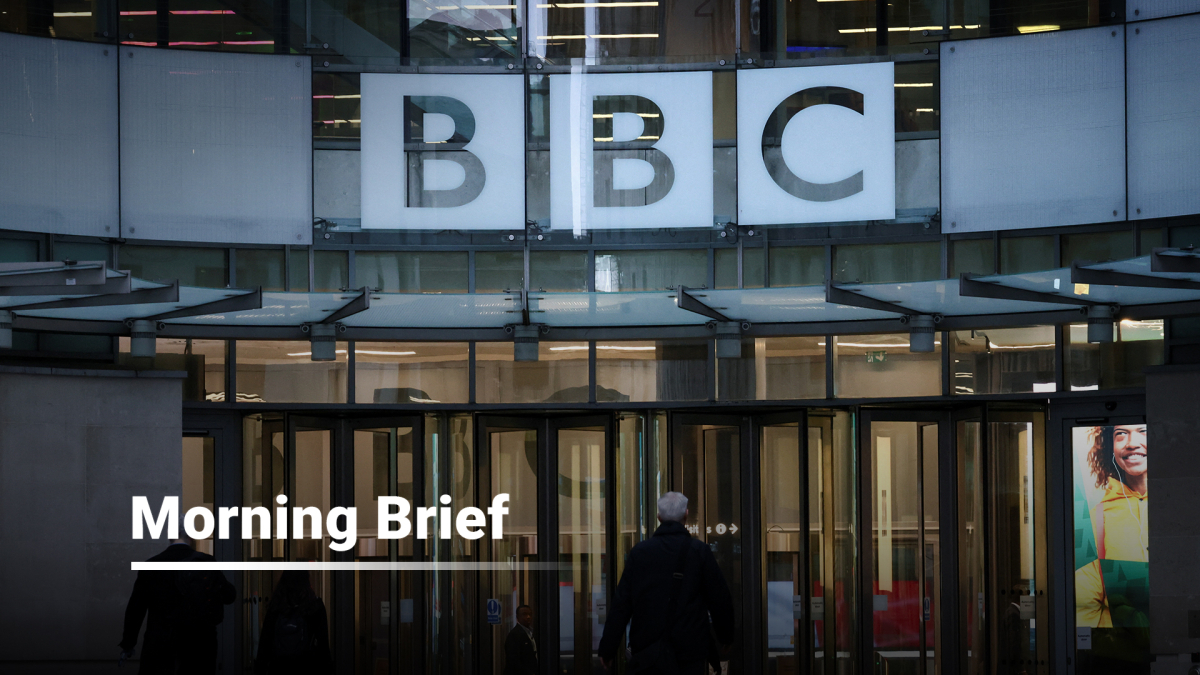
1. BBC apologises to Trump over speech edit but rejects defamation claim
The British Broadcasting Corporation sent a personal apology to U.S. President Donald Trump on Thursday.
“While the BBC sincerely regrets the manner in which the video clip was edited, we strongly disagree there is a basis for a defamation claim,” the broadcaster said in a statement.
The documentary, aired on the BBC's 'Panorama' news programme just before the 2024 U.S. presidential election, spliced together three parts of Trump’s 6 January, 2021 speech in a way that implied he endorsed violence.
2. Russian strikes cause casualties and damage across Kyiv districts
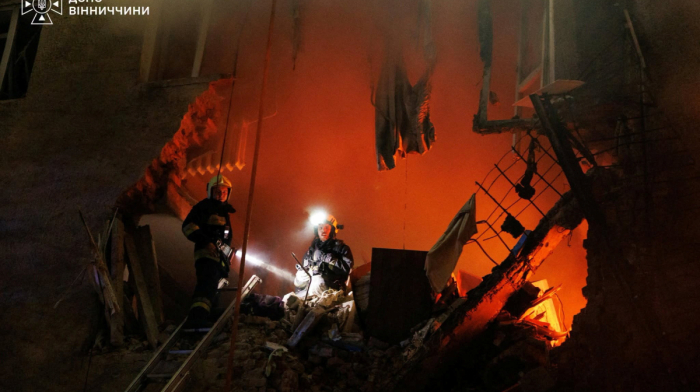
A Russian attack on Kyiv has killed at least one person and injured 24 others, including a child, according to the State Emergency Service of Ukraine. Authorities say more than 40 people were rescued from high-rise and residential buildings during the attacks.
In the Desnianskyi district, two high-rise buildings caught fire, killing one person. Around 50 people were evacuated to safety and nine others had to be rescued.
In Solomianskyi, Sviatoshynskyi, and Holosiivskyi districts, multiple buildings, including a hospital site, suffered fire and debris damage.
3. U.S. lifts tariffs on certain imports from Ecuador, Argentina, Guatemala, and El Salvador
The United States said on Thursday it will remove tariffs on some foods and other imports from Argentina, Ecuador, Guatemala and El Salvador under framework agreements that will give U.S. firms greater access to those markets.
The framework deals with most of the four countries should be finalised within the next two weeks, the official said, with additional agreements seen as possible before the end of the year. Officials in Argentina, El Salvador, Guatemala and Ecuador welcomed the deals.
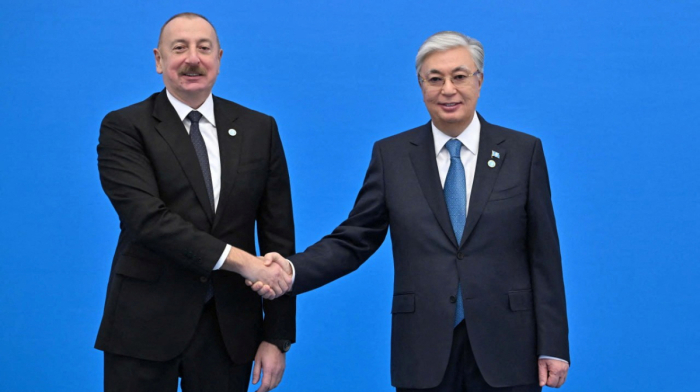
4. President Ilham Aliyev receives delegation from the U.S. Church of Jesus Christ of Latter-day Saints
President of the Republic of Azerbaijan, Ilham Aliyev, received a delegation from the U.S. Church of Jesus Christ of Latter-day Saints in Baku on Thursday. The delegates conveyed their congratulations to President Aliyev for the progress made in Washington on advancing the peace agenda between Azerbaijan and Armenia, which was witnessed by U.S. President Donald Trump.
In response, President Aliyev expressed gratitude for the congratulations and emphasised the historical significance of the agreements reached between Azerbaijan and Armenia in Washington.
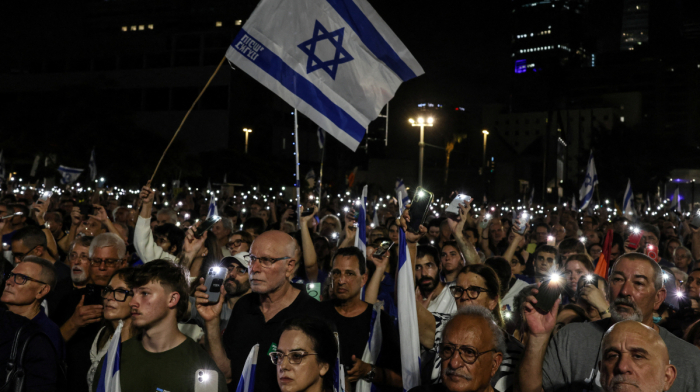
5. Hamas transfers remains of another Israeli hostage under Gaza ceasefire deal
Hamas has returned the remains of another Israeli hostage under a Gaza ceasefire agreement, the Israeli army confirmed. The body was transferred to Red Cross teams in southern Gaza and was on its way to Israeli forces inside the territory. Hamas had said it would hand over the remains Thursday evening in the Morag area north of Khan Younis.
Since the ceasefire began on 10 October, Hamas has released 20 Israeli captives alive and handed over the remains of 26 out of 28.











What is your opinion on this topic?
Leave the first comment