The confirmed death toll from Hurricane Melissa rose to 49 on Thursday after the Category 5 storm tore through the northern Caribbean, devastating Jamaica and Haiti before moving into the North Atlantic near Bermuda.
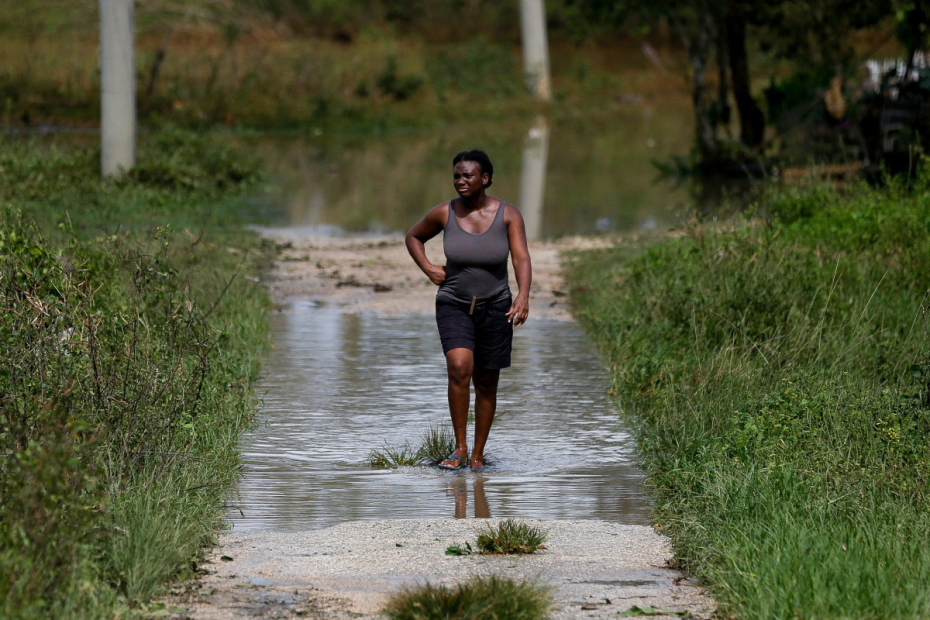
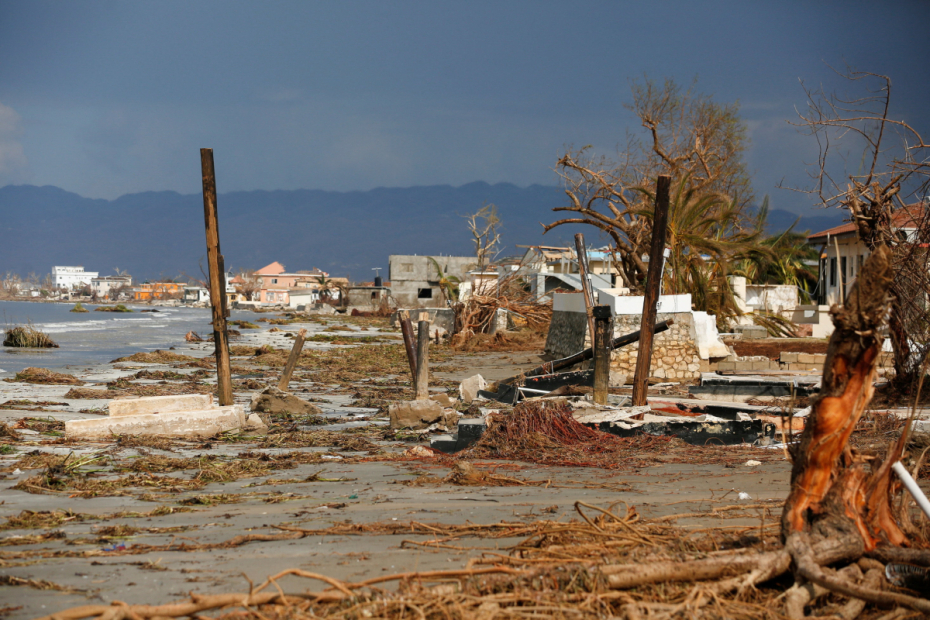
Haitian officials said at least 30 people had died and 20 were missing after torrential rains triggered landslides and floods, despite the country not taking a direct hit. In the southern town of Petit-Goave, 23 people, including 10 children, were swept away when a river burst its banks.
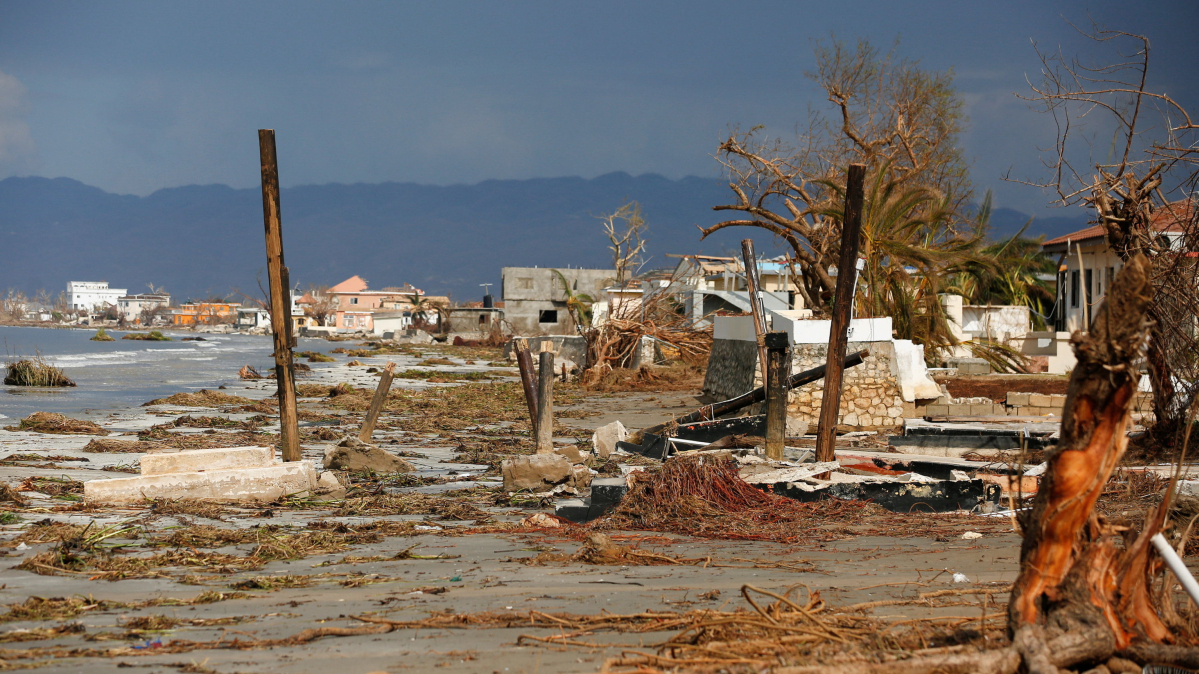
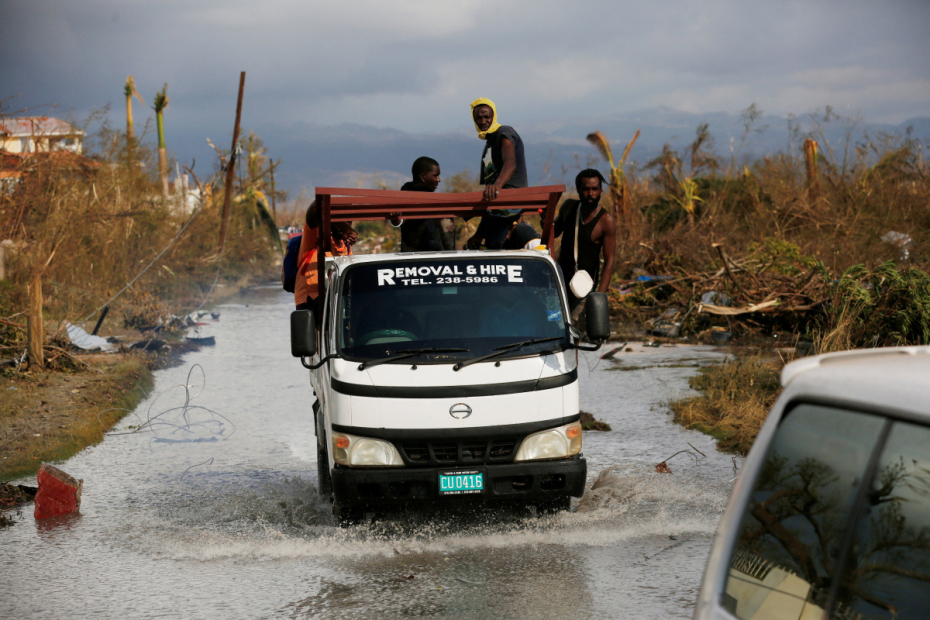
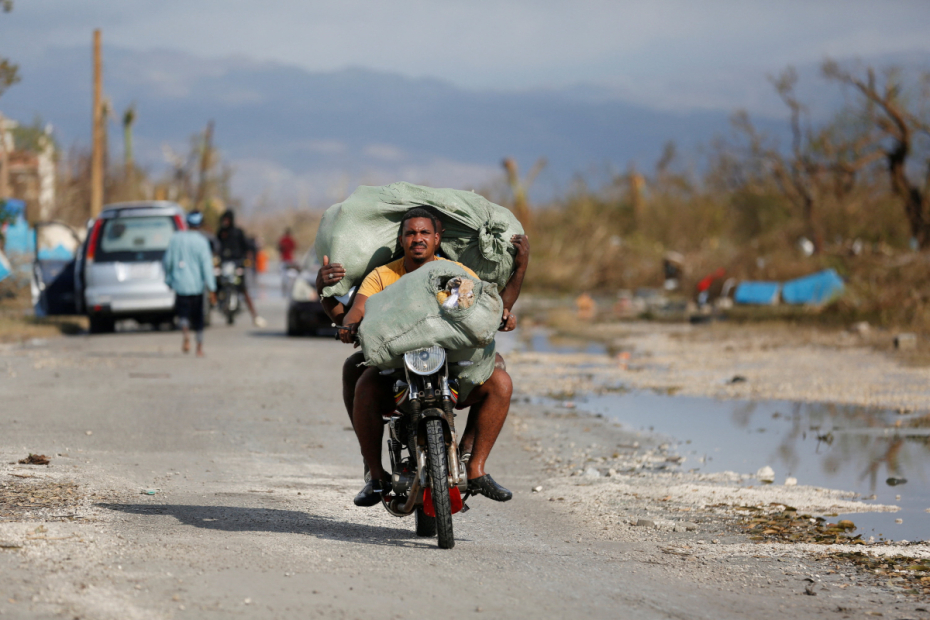
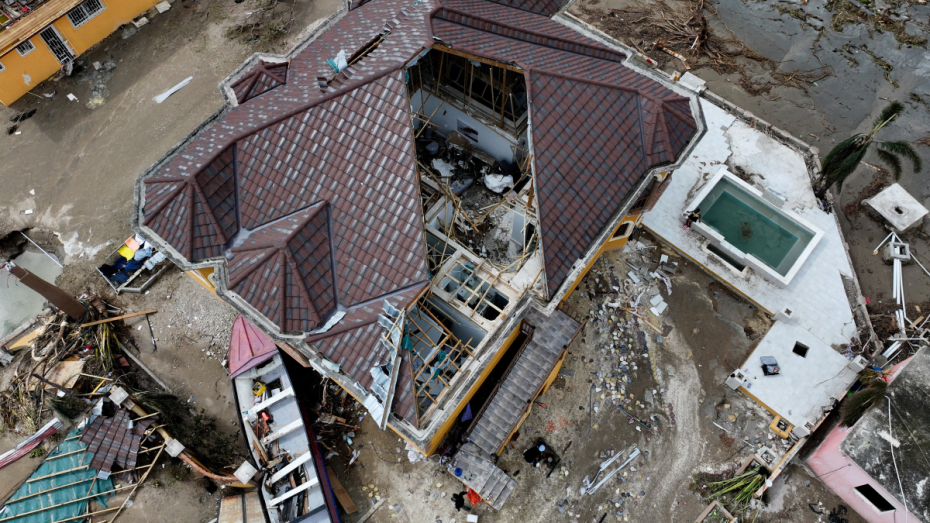
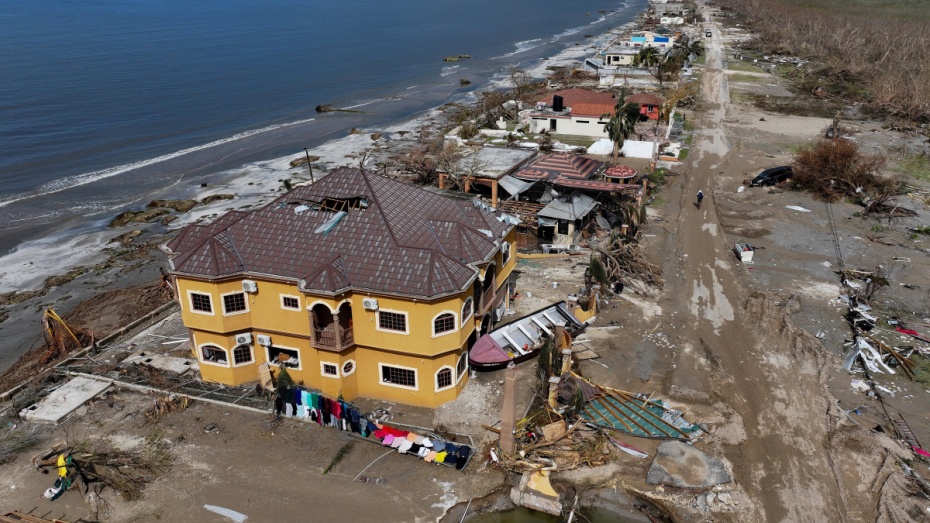
In Jamaica, authorities confirmed 19 deaths and launched extensive rescue operations. The storm, which made landfall there on Tuesday, was the strongest to hit the island since 1988 and its most powerful on record. Winds exceeded the threshold for a Category 5 hurricane, leaving more than 70% of households without power and hundreds of thousands displaced.
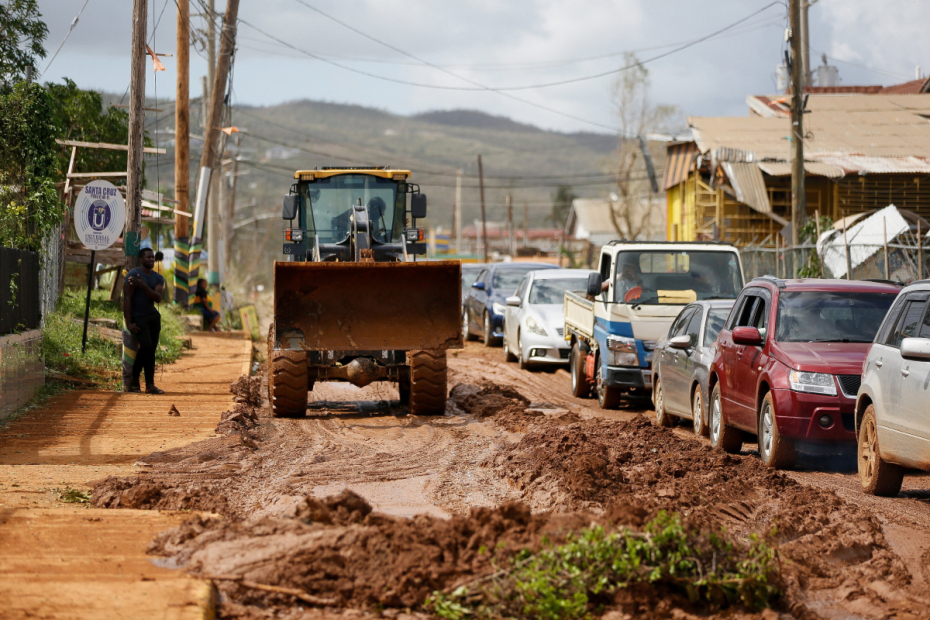
Energy Minister Daryl Vaz said restoration work was under way, though more than 130 roads remained blocked by debris and downed power lines. The government said relief flights had begun arriving as the country struggled with widespread destruction of homes, crops and infrastructure.
Satellite images showed vast swathes of Jamaica stripped of vegetation and buildings flattened. “At one stage, I see the water at my waist and about 10 minutes later it was around my neck,” said Alfred Hines, 77, a resident of Montego Bay. “I just want to forget it and things come back to normal.”
AccuWeather estimated total damage and economic losses across the western Caribbean at between $48 billion and $52 billion. The forecaster said Melissa tied as the second-strongest Atlantic hurricane ever recorded by windspeed and was among the slowest-moving, amplifying its destruction.
In Cuba, 735,000 people were evacuated before the storm struck the east of the island as a Category 3 system. No deaths had been reported as of Thursday, though local media said some 241 communities were isolated and 140,000 residents were without communications.
By 11 p.m. (0300 GMT), the U.S. National Hurricane Center said Melissa was a Category 2 storm about 264 kilometres (164 miles) west of Bermuda, with sustained winds of 100 mph (161 kph). Authorities on the island shut schools and ferries “out of an abundance of caution.”
Scientists say hurricanes are becoming more intense and destructive due to warming ocean waters linked to climate change. Caribbean leaders have renewed calls for wealthier nations to increase funding and debt relief for climate-hit economies.
U.S. Secretary of State Marco Rubio said Washington was ready to provide “immediate humanitarian aid” to affected countries, while Cuba’s government said it was awaiting clarification on how such assistance would be delivered.













What is your opinion on this topic?
Leave the first comment