live Russia denies CIA Director visited Moscow to warn against attack on NATO
Kremlin Spokesperson Dmitry Peskov has dismissed media reports that CIA Director John Ratcliffe visited Moscow ear...
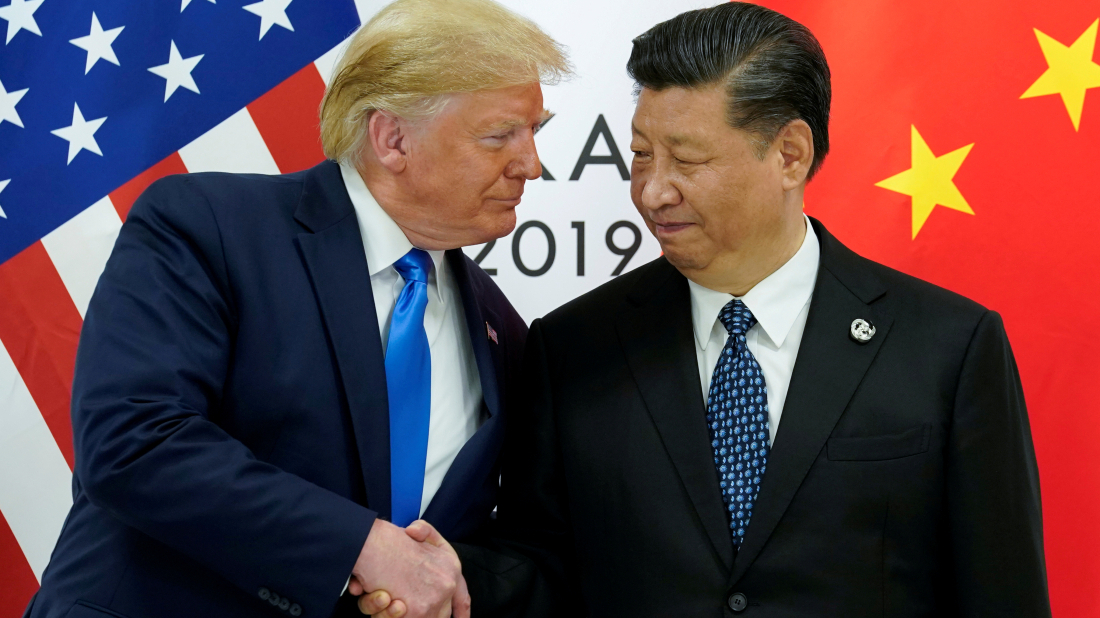
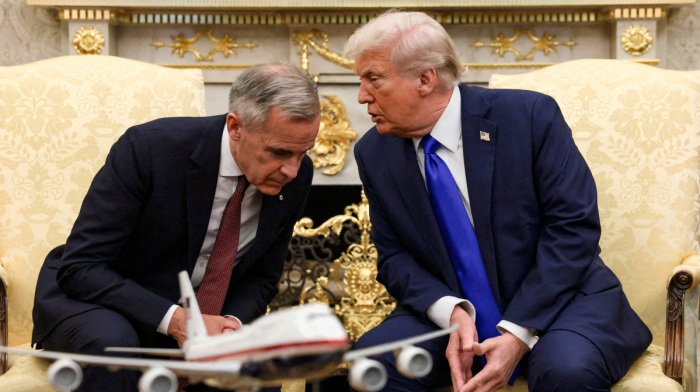
U.S. President Donald Trump and Chinese President Xi Jinping will meet face-to-face tomorrow in Busan, South Korea, marking a pivotal moment in bilateral ties between the two major powers.
The meeting, confirmed by China’s Foreign Ministry spokesperson Guo Jiakun at a regular press conference, will take place on 30 October in Busan and is billed as an opportunity for in-depth communication on strategic and long-term issues concerning U.S.-China relations.
Guo emphasised that head-of-state diplomacy plays an irreplaceable role in providing strategic guidance for China-U.S. relations. He said the two leaders will exchange views on bilateral relations and issues of mutual interest, and that China stands ready to work with the U.S. to achieve positive outcomes and provide new impetus for the steady development of their ties.
According to an earlier White House statement, the meeting is scheduled alongside the Asia-Pacific Economic Cooperation Summit (APEC) in South Korea, where President Trump is attending. This will be the first in-person encounter between Trump and Xi since 2019.
A range of contentious issues is expected to dominate the agenda, including tariffs, technology restrictions, rare-earth export controls, agricultural trade, and broader strategic matters.
When asked about Trump’s comments on potentially lowering fentanyl-related tariffs, Guo reiterated that China’s position on the matter is consistent and clear. He said China has one of the strictest drug control systems in the world and remains open to continuing cooperation with the U.S. on counternarcotics, but added that Washington needs to take concrete actions to create the necessary conditions for such cooperation.
For Washington, the meeting offers a potential pathway to ease months of friction that have deepened with tariff escalations, technology disputes, and tensions over supply chains. For Beijing, it represents an opportunity to stabilise relations and set a more constructive tone for long-term engagement.
The outcome of the Busan talks is expected to play a key role in shaping the trajectory of the world’s two largest economies — whether their relationship moves toward renewed cooperation or enters a phase of managed competition.

Oil prices fell after the U.S. expanded economic sanctions on Iran, as Tehran vowed to retaliate and warned it had tools to respond, raising concerns over potential disruption to regional oil supplies.
Rescuers in Nepal used helicopters on Thursday to scour for hundreds still missing after a wall of mud and rock collapsed into a river on the Himalayan border with China's Tibet, sending catastrophic floods through towns and valleys, killing 162 people.
Secretary of State Marco Rubio told allied foreign ministers Washington will focus on sanctions and other pressure on Iran “for the time being”, Axios reports. Meanwhile, Iran and Oman have resumed talks on a temporary shipping route through the Strait of Hormuz.
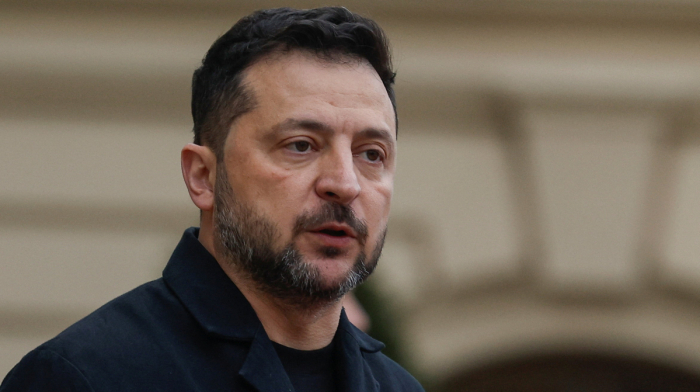
Kyiv has recently received a small number of U.S.-made Patriot interceptors capable of downing Russian ballistic missiles, Ukrainian President Volodymyr Zelenskyy has said. It comes as Britain and France pledged stronger military support for Ukraine.
Iranian President Masoud Pezeshkian has called for greater economic cooperation among Muslim countries, saying their combined economic weight remains disproportionately small compared with their population, strategic location and resources.
Kremlin Spokesperson Dmitry Peskov has dismissed media reports that CIA Director John Ratcliffe visited Moscow earlier this week to warn Russia against attacking NATO, dismissing them as "scare stories," which had nothing to do with reality.
Poland has asked the European Commission to impose a €250 million ($291.3 million) fine on Meta, accusing the technology company of failing to adequately tackle fraudulent advertisements on its platforms.
Ratko Mladić, the former Bosnian Serb military commander convicted of genocide for his role in the 1995 Srebrenica massacre, has died, according to a United Nations official.
A glacial collapse that triggered catastrophic flooding along the Nepal-Tibet border on Wednesday has killed at least 270 people, with more than 1,000 still missing. Here are some of the most devastating glacier-related disasters recorded around the world:
The UN Children’s Fund (UNICEF) says 3.7 million children across Afghanistan are suffering from acute wasting, a dangerous form of malnutrition, including around one million with severe acute malnutrition, as hospitals and aid services face rising demand and funding shortages.
You can download the AnewZ application from Play Store and the App Store.
What is your opinion on this topic?
Leave the first comment