EU weighs defence and governance reforms amid geopolitical pressures
As global diplomatic dynamics continue to evolve, the European Union is reassessing its ability to respond effectively to major international developm...
The European Union will agree in principle to provide Ukraine with the financing it needs for the next two years, EU Council chief Antonio Costa said.
Arriving at a summit of EU leaders in Brussels, Belgian Prime Minister Bart De Wever laid out three demands for the use of Russian immobilised assets to provide a 140 billion euro ($163.27 billion) loan to Ukraine.
"If demands are met, we can go forward. If not I will do everything in my power at the European level, also at the national level, politically and legally to stop this decision," said De Wever.
BELGIUM DEMANDS SHARING OF RISK
De Wever called on all EU members to share the risks associated with the plan, meaning they would share the costs of any legal action pursued by Russia and contribute financially if the money ever had to be paid back.
He also said Russian frozen assets held by other countries should be part of the scheme.
"There must be transparency about the risk. There must be transparency about the legal basis for this decision," he said.
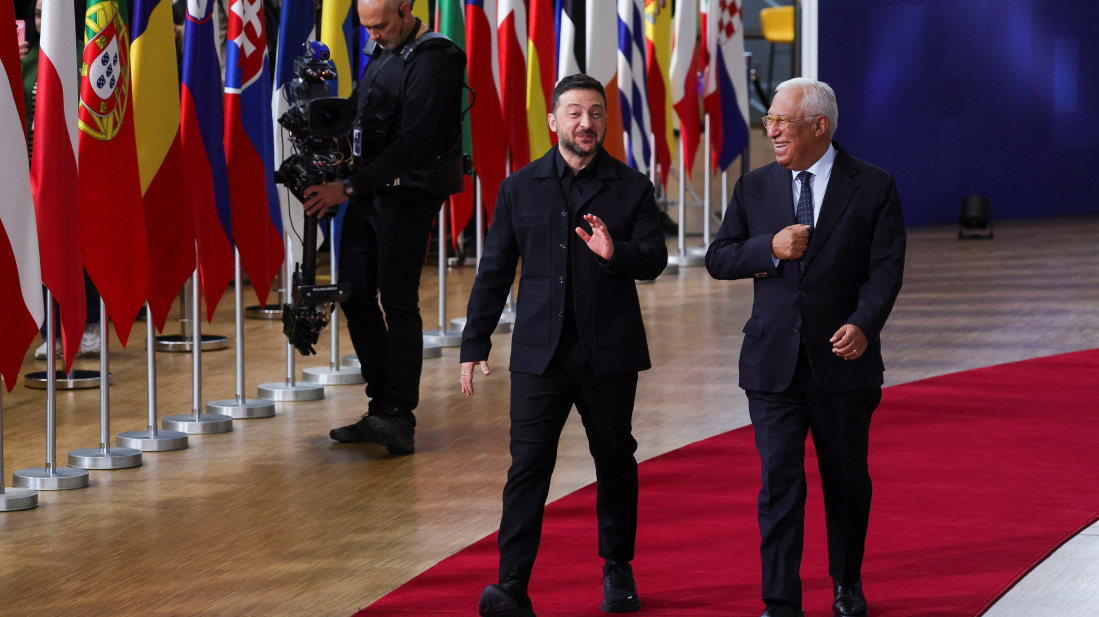
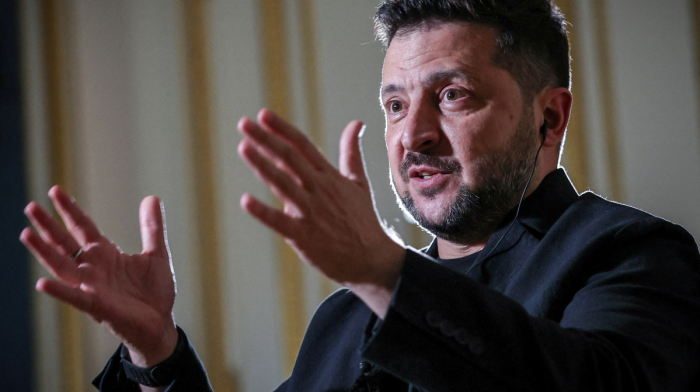
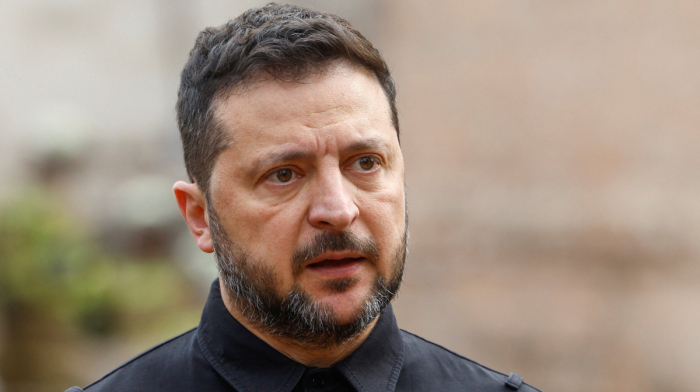
But Costa, arriving at the summit with Ukrainian President Volodymyr Zelenskyy, made clear the EU would ensure Kyiv's financial needs were covered for the next two years, with technical details to be decided later.
"We will take the political decision to ensure the financial needs of Ukraine for 2026 and 2027, including for the acquisition of military equipment," said Costa, who chairs summits of EU leaders.
The leaders are expected to task the European Commission to come up with a formal legal proposal on the frozen assets plan.
SANCTIONS PACKAGE FORMALLY APPROVED
At the summit, leaders of the European Union will also reiterate backing for Ukraine's territorial integrity.
Ukraine's leader also received a boost in the form of a new package of EU sanctions against Russia which the bloc formally approved on Thursday.
The package includes a ban on Russian liquefied natural gas from January 2027, as well as new measures on the so-called shadow tanker fleet and two independent Chinese oil refineries.
The planned summit was later put on hold and on Wednesday, the U.S. hit Russia's major oil companies with sanctions.

Azerbaijan's Foreign Ministry says 19 citizens have been repatriated following a deadly drone attack on two cargo ships in the Sea of Azov on 5 June.
A Sudanese man has been arrested over a knife attack in Belfast that left a man seriously injured and prompted calls online for a protest after footage of the incident circulated widely on social media.
Iran and Israel said on Monday (8 June) they had halted attacks on each other following an appeal from U.S. President Donald Trump, as Axios reported that Trump had privately told Benjamin Netanyahu “be careful, or you will be on your own very soon”.
Ukraine's military said it struck a Russian "shadow fleet" tanker in the Black Sea as part of ongoing efforts to disrupt Moscow's energy and logistics networks. The move underscores Kyiv's focus on targeting maritime assets it says are used to bypass sanctions on Russian oil exports.
Armenia’s parliamentary election has strengthened Prime Minister Nikol Pashinyan’s mandate, with analysts linking the result to his post-Garabagh agenda and pro-Western direction. However, constitutional constraints remain a key obstacle to peace efforts with Azerbaijan.
As global diplomatic dynamics continue to evolve, the European Union is reassessing its ability to respond effectively to major international developments, prompting renewed debate over defence coordination, foreign policy decision-making and institutional reform.
The FIFA World Cup 2026 is set to be one of a kind when it kicks off on 11 June, as it brings with it a slew of firsts ahead of co-hosts Mexico taking on South Africa in the opening match.
Turkish President Recep Tayyip Erdoğan has warned that Israel’s military operations in Syria and Lebanon have escalated to a point where they could threaten Türkiye, describing Israel’s actions as “aggression” that poses a broader global risk.
More than 1,300 migrants died or went missing while attempting to reach Spain between January and May 2026, according to Spanish NGO Caminando Fronteras, highlighting the continuing dangers of one of the world's deadliest migration corridors.
Rescuers searched the rubble of a collapsed building in the southern Philippine city of General Santos on Tuesday after a powerful earthquake killed at least 37 people and injured hundreds across the country.
You can download the AnewZ application from Play Store and the App Store.
What is your opinion on this topic?
Leave the first comment