Start your day informed with AnewZ Morning Brief: here are the top news stories for 21 October, covering the latest developments you need to know.
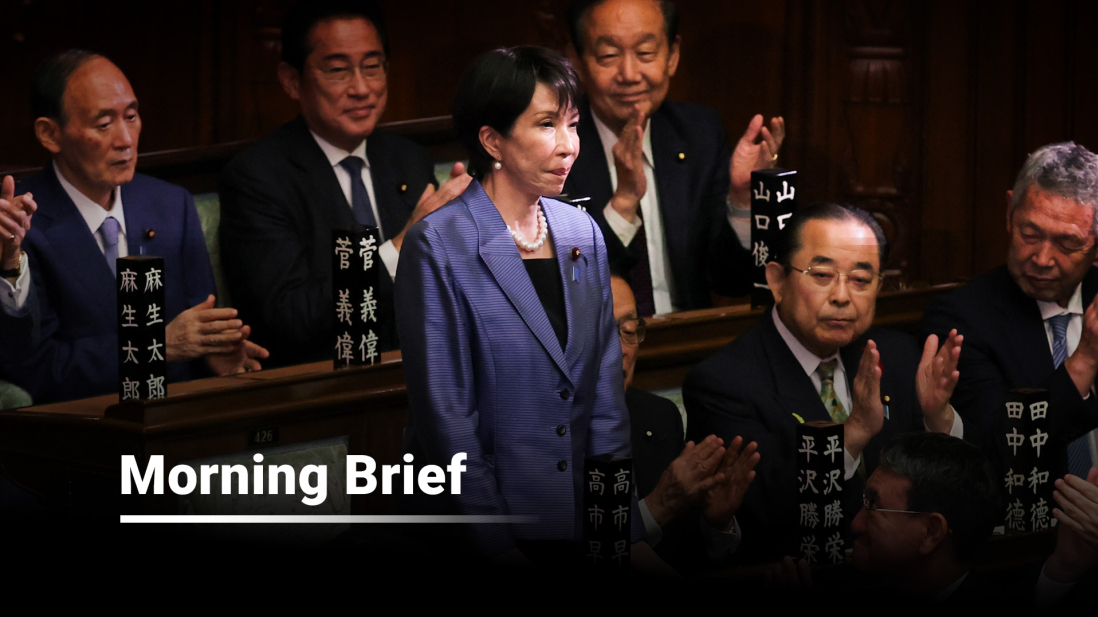
1. Sanae Takaichi becomes Japan’s first female prime minister
Sanae Takaichi was voted in by parliament as Japan’s first female prime minister after winning the Liberal Democratic Party leadership on Tuesday,.
Takaichi is known for her nationalist positions, including visiting the Yasukuni shrine and favoring constitutional revision, while also planning to increase the number of female cabinet ministers.
A former interior and economic security minister, Takaichi is expected to host U.S. President Donald Trump next week.
2. Colombia recalls ambassador after Trump threatens tariffs and aid cuts
Colombia has recalled its ambassador from Washington on Monday, following U.S. President Donald Trump’s threats to impose new tariffs and halt financial aid.
The tensions escalated after Trump called Colombian President Gustavo Petro an "illegal drug leader," a remark his government called offensive.
Petro criticised U.S. military strikes on Caribbean vessels, which have killed dozens, and vowed to protect Colombia’s sovereignty.
3. Trump and Albanese sign $8.5 billion critical minerals deal to counter China
U.S. President Donald Trump and Australian Prime Minister Anthony Albanese signed a critical minerals agreement on Monday aimed at countering China and boosting Indo-Pacific security.
The deal includes a $1 billion investment from each country more than six months in mining and processing projects.
Trump also backed a strategic nuclear-powered submarine deal with Australia during the summit.
The agreement targets deposits of critical minerals valued at $53 billion, according to a White House statement.
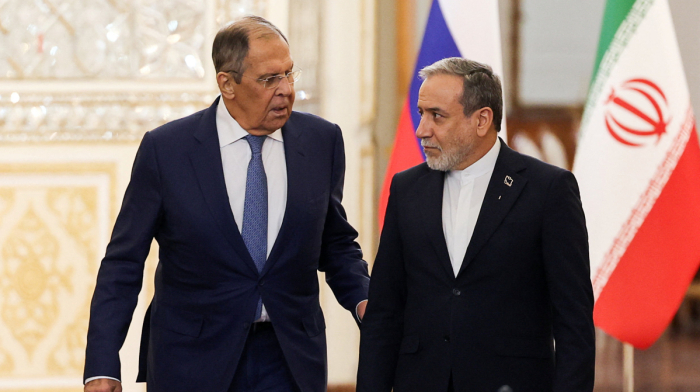
4. Azerbaijan and Iran discuss current state of bilateral relations
Azerbaijani President’s Representative on special assignments, met with Iranian officials, including Foreign Minister, Deputy Foreign Minister, and Iranian Presidential Adviser on Political Affairs on 20 October.
The meetings focused on the current state of Azerbaijan-Iran relations and highlighted Iranian President Masoud Pezeshkian’s visits to Azerbaijan.
Officials discussed prospects for further strengthening friendship and good neighborliness, building on recent agreements between the two countries’ leaders.
5. Iran’s Khamenei rejects Trump’s offer for renewed nuclear talks
Iranian Supreme Leader Ayatollah Ali Khamenei on Monday rejected U.S. President Donald Trump’s offer for renewed nuclear negotiations, dismissing Trump’s claim that the U.S. has destroyed Iran’s nuclear capabilities.
Khamenei called U.S. claims about bombing Iran’s nuclear industry “inappropriate, wrong and coercive.”
Western powers accuse Iran of secretly pursuing nuclear weapons, while Tehran maintains its program is for civilian energy purposes only.














What is your opinion on this topic?
Leave the first comment