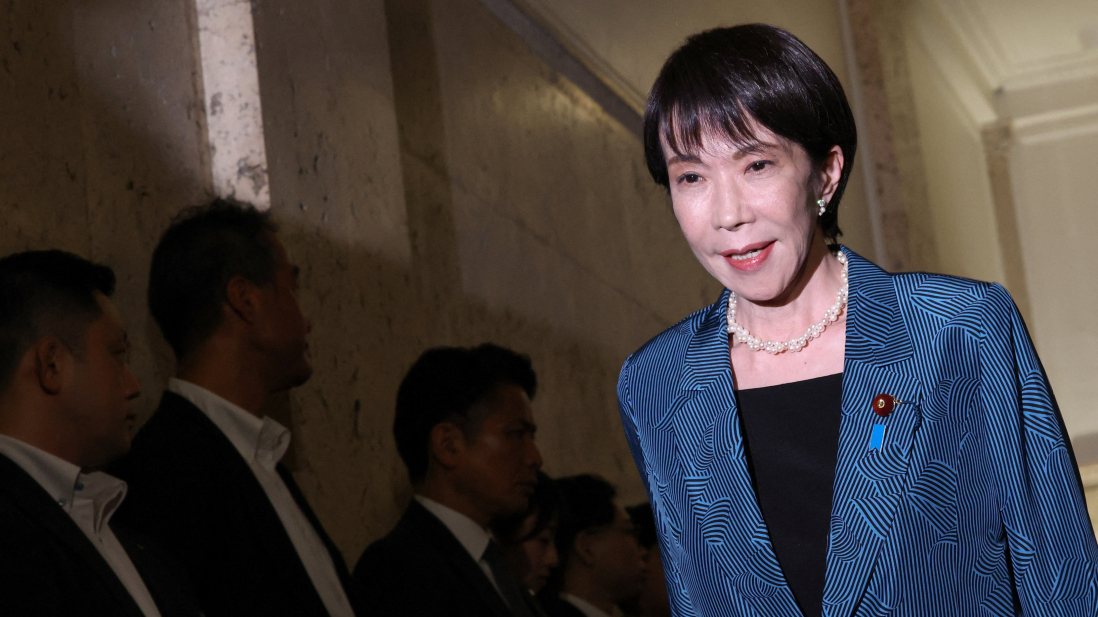
Hardline conservative Sanae Takaichi was voted in by parliament as Japan's first female prime minister on Tuesday, after a whirlwind few weeks of political wrangling.
Having won an all-male race to be chosen by her ruling Liberal Democratic Party as its leader on 5 October, Takaichi had to scramble for support after her party's more moderate coalition partner quit their 26-year alliance.
Takaichi received 237 votes, topping the majority of the 465-seat chamber, according to a lower house staff.
She will likely be approved by the less-powerful upper house as well and sworn in as Japan's 104th prime minister this evening to succeed the incumbent Shigeru Ishiba, who last month announced his resignation to take responsibility for election losses.
An acolyte of former Prime Minister Shinzo Abe, was almost certain to become prime minister at a parliamentary vote on Tuesday after her Liberal Democratic Party on Monday agreed to a coalition deal with the right-wing Japan Innovation Party, known as Ishin.
Takaichi's victory makes her the first female premier in Japan, where the top echelons of politics and business are still overwhelmingly male dominated.
But her election is unlikely to be feted as a sign of progressive change. Instead, it will likely mark a harder tack to the right in a country increasingly worried about rising prices, lacklustre growth and immigration.
Takaichi has a number of socially conservative stances - such as being against changing the law that requires married couples to have the same surname.
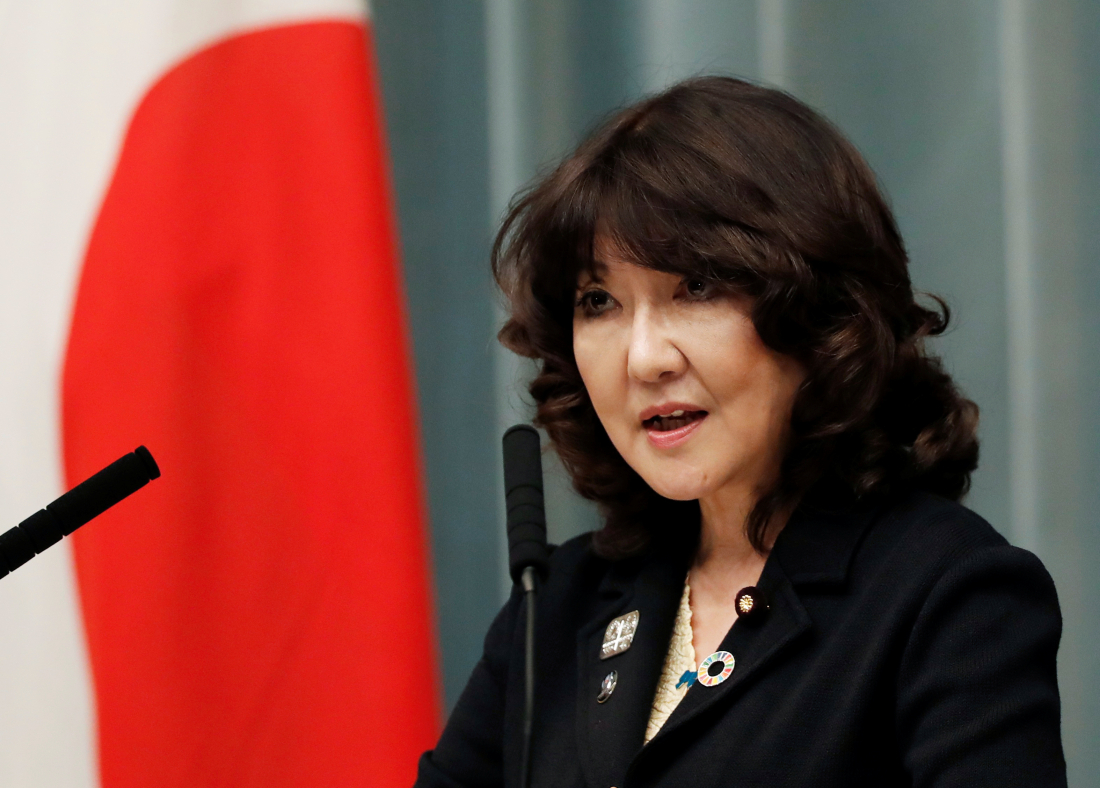
She plans to appoint another former Abe acolyte, Satsuki Katayama, as finance minister, broadcaster FNN and other domestic media outlets said. Katayama is likely to be Japan's first female finance minister.
Katayama chairs the ruling Liberal Democratic Party's research commission on the finance and banking systems and has a strong background in economic and finance fields, having served as minister in charge of Local Economic Revitalisation under Abe.
Attention now turns to her big spending plans that may jolt investor confidence in one of the world's most indebted economies, and her nationalistic positions that could stoke friction with powerful neighbour China, political analysts say.




















What is your opinion on this topic?
Leave the first comment