Russia-Ukraine peace talks in Abu Dhabi: What you need to know
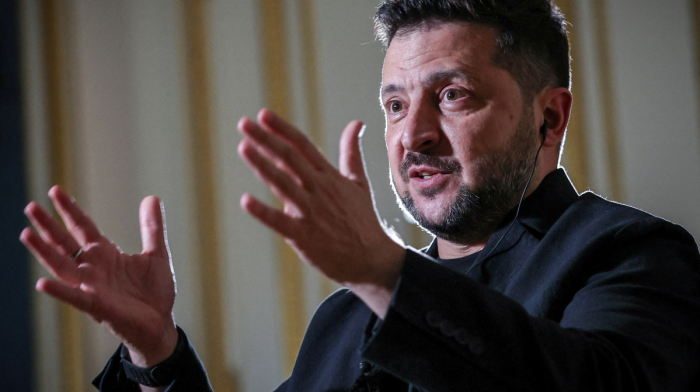
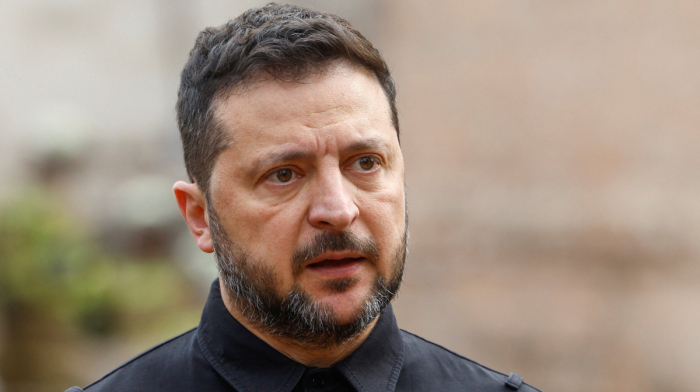
Ukrainian and Russian negotiators began the second round of U.S.-brokered talks in Abu Dhabi on Wednesday, according to Ukrainian officials....
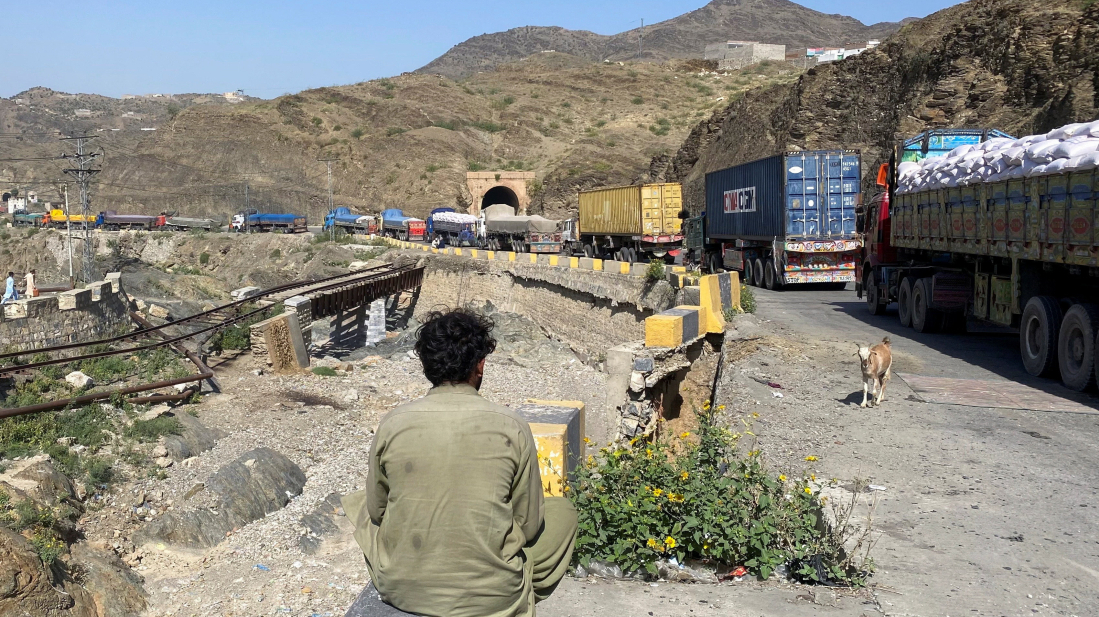
Dozens of fighters were killed in overnight border clashes between Pakistan and Afghanistan, both sides said on 12 October, in the most serious fighting between the neighbours since the Taliban came to power in Kabul.
The Pakistan military said that 23 of its soldiers were killed in the clashes. The Taliban said nine on its side were killed.
Tensions have risen after Islamabad demanded the Taliban take action against militants who have stepped up attacks in Pakistan, saying they operate from havens in Afghanistan.
Each side said it inflicted far higher casualties on the other side, without providing evidence.
Pakistan said it had killed more than 200 Afghan Taliban and allied fighters, while Afghanistan said that it had killed 58 Pakistani soldiers.
PAKISTANI AIRSTRIKES TRIGGER RETALIATORY ATTACKS
On Thursday, Pakistan carried out airstrikes in Kabul and on a marketplace in eastern Afghanistan, according to Pakistani security officials and the Taliban, setting off retaliatory attacks by the Taliban. Pakistan has not officially acknowledged the airstrikes.
Afghan troops opened fire on Pakistani border posts late on Saturday. Pakistan said that it had responded with gun and artillery fire.
Both nations claimed to have destroyed border posts of the other side. Pakistani security officials shared video footage, which they said showed Afghan posts being hit.
The exchanges were mostly over on Sunday morning, Pakistani security officials said. But in Pakistan's Kurram area, intermittent gunfire continued, according to local officials and residents.
Afghanistan's ministry of defence had previously said that their operation had finished at midnight local time.

Talks with the U.S. should be pursued to secure national interests as long as "threats and unreasonable expectations" are avoided, President Masoud Pezeshkian posted on X on Tuesday (3 February).
Cuba’s Deputy Foreign Minister Carlos Fernández de Cossío has denied that Havana and Washington have entered formal negotiations, countering recent assertions by U.S. President Donald Trump, while saying the island is open to dialogue under certain conditions.
Mexico said it will stop sending oil to Cuba as U.S. President Donald Trump ramped up pressure on the Caribbean nation.
Web Summit Qatar 2026 opened in Doha on Sunday, drawing tens of thousands of founders, investors, policymakers and technology leaders to what organisers describe as one of the region’s largest digital economy gatherings.
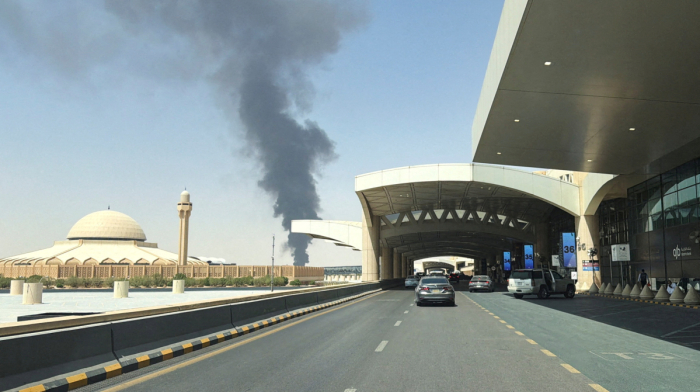
Any U.S. military strike on Iran would almost certainly trigger cross-border retaliation and could ignite a wider regional war, according to political analyst James M. Dorsey.
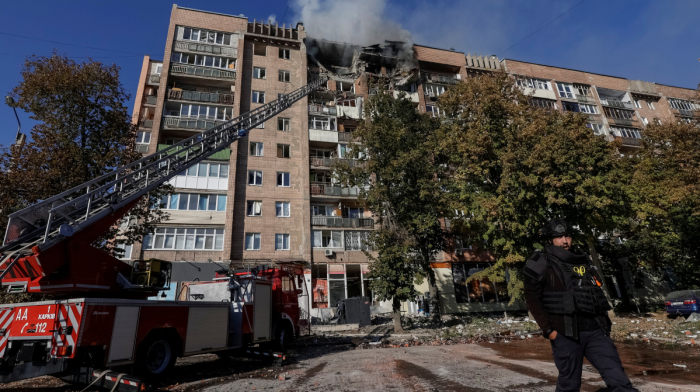
Ukrainian and Russian negotiators began the second round of U.S.-brokered talks in Abu Dhabi on Wednesday, according to Ukrainian officials.
Tech billionaire Elon Musk said the search at his social media platform X offices in Paris on Tuesday by French authorities was a "political attack".
Thousands of documents linked to the late sex offender Jeffrey Epstein have been taken down from the U.S. Justice Department’s (DOJ) website after victims and their lawyers warned that sensitive personal information had been exposed.
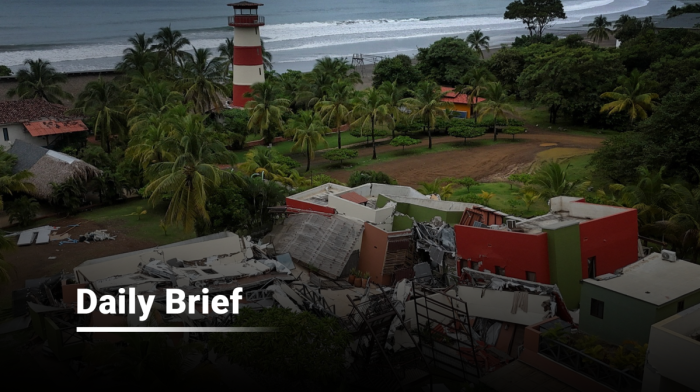
Start your day informed with AnewZ Morning Brief: here are the top news stories for the 4rd of February, covering the latest developments you need to know.
U.S. Secretary of State Marco Rubio met with Indian Foreign Minister Subrahmanyam Jaishankar on Tuesday (February 3) one day after the U.S. and India signed a trade deal.
You can download the AnewZ application from Play Store and the App Store.
What is your opinion on this topic?
Leave the first comment