Iran says ceasefire deal with U.S. will not erase war crimes claims
Iran has said that reaching an agreement with the U.S. to end the war does not mean Tehran will overlook what it describes as war crimes committed aga...
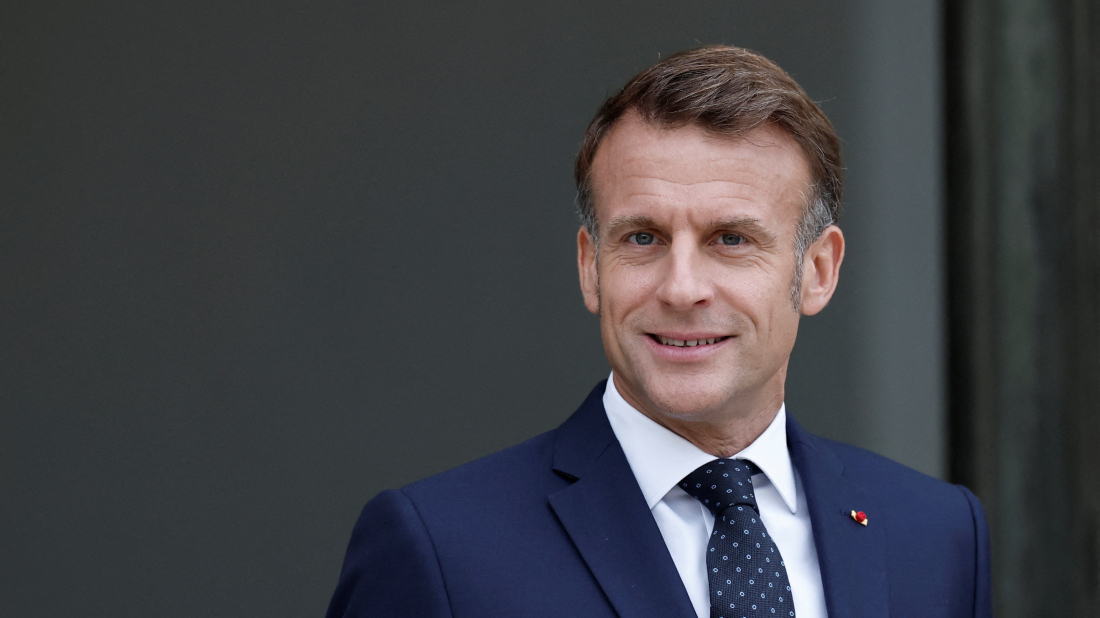
French President Emmanuel Macron will appoint a new prime minister within 48 hours, his office said Wednesday, following the resignation of Sebastien Lecornu amid political deadlock.
Sebastien Lecornu, France’s fifth prime minister in two years, resigned Monday just hours after forming his cabinet, marking the shortest-lived administration in modern French history.
Macron asked Lecornu to continue consultations with political leaders to explore ways to stabilise the government and pass a 2026 budget by 31 December.
“A majority of deputies oppose dissolution of parliament; a platform for stability exists; a path is possible to adopt a budget by December 31,” the Elysee said, noting that Macron will appoint a new premier based on these findings.
Lecornu ended talks without a deal but said a path forward exists, emphasising that the next prime minister’s appointment would be Macron’s decision. He called reaching a budget deal “difficult but possible,” while the risk of a snap parliamentary election appears to be receding.
Macron faces pressure from across the political spectrum. Far-right National Rally leader Marine Le Pen and lawmaker Laure Lavalette rejected negotiations, calling for snap elections.
Hard-left leader Jean-Luc Mélenchon reiterated that Macron should resign.
Meanwhile, centre-left parties, including the Socialists and Greens, expressed interest in leading the next government and pushing for wealth taxes and reversing pension reforms.
The political paralysis has rattled markets, though French shares rose slightly after Lecornu expressed cautious optimism, with the CAC 40 index up 1.1% on Wednesday.
France’s budget and political uncertainty continue to weigh on investor confidence in the eurozone’s second-largest economy.

Details of a reported draft memorandum of understanding between the United States and Iran offer the clearest picture yet of how both sides plan to end months of conflict and move towards a longer-term settlement.
The U.S. and Iran say they have reached a deal to end their conflict, with an immediate ceasefire and reopening of the Strait of Hormuz after the lifting of the U.S. naval blockade. Talks will continue over the next 60 days to finalise the agreement
A senior U.S. official said on Monday that the memorandum of understanding linked to the U.S.-Iran agreement had been signed by President Donald Trump, Vice President JD Vance and Iranian Parliament Speaker Mohammad Bagher Qalibaf.
Israeli Prime Minister Benjamin Netanyahu has told U.S. President Donald Trump that Israel does not consider itself bound by a Lebanon-related provision in an emerging agreement with Iran, according to Israeli officials.
Switzerland on Sunday rejected a referendum proposal to cap its population at 10 million, a projection showed, as voters prioritised economic stability and the country's ties with the European Union over immigration concerns.
Firefighters and workers were clearing debris on Monday after what Ukraine described as a deliberate Russian strike severely damaged a nearly 1,000-year-old cathedral in Kyiv, one of the country's most important religious and cultural landmarks.
One month after Ebola cases were confirmed in eastern Democratic Republic of the Congo, health officials and aid organisations say the true extent of the outbreak remains unclear because of major gaps in testing, reporting and disease surveillance.
The first day of the Group of Seven (G7) summit in Évian-les-Bains, France, was dominated by discussions on the Middle East, Ukraine and the global economy, as leaders grappled with multiple crises that have reshaped the international landscape.
Pakistan's political leadership on Monday welcomed a breakthrough agreement between the U.S. and Iran aimed at ending more than three months of conflict, with Prime Minister Shehbaz Sharif describing it as a major diplomatic success and a victory for peace.
Hungary's parliament on Monday approved a constitutional amendment limiting prime ministers to a maximum of eight years in office, a move that effectively prevents former premier Viktor Orbán from returning to the country's top political post.
You can download the AnewZ application from Play Store and the App Store.
What is your opinion on this topic?
Leave the first comment