Delegations from Israel and Hamas held their first day of indirect negotiations in Egypt on Monday on U.S. President Donald Trump's plan to halt the war in Gaza, wrestling with contentious issues such as demands that Israel withdraw and Hamas disarm.
Israel and Hamas have both endorsed the overall principles behind Trump's plan, under which fighting would cease, hostages go free and aid would pour into Gaza.
The plan also has the backing of Arab and Western states.
Trump has called for negotiations to take place swiftly towards a final deal, in what Washington hails as the closest the sides have yet come to ending the two-year-old conflict.
Trump, who has cast himself as the only world leader capable of achieving peace in Gaza, has invested significant political capital in efforts to end the war that has killed tens of thousands and left U.S. ally Israel increasingly isolated on the world stage.
Trump: 'A really good chance'
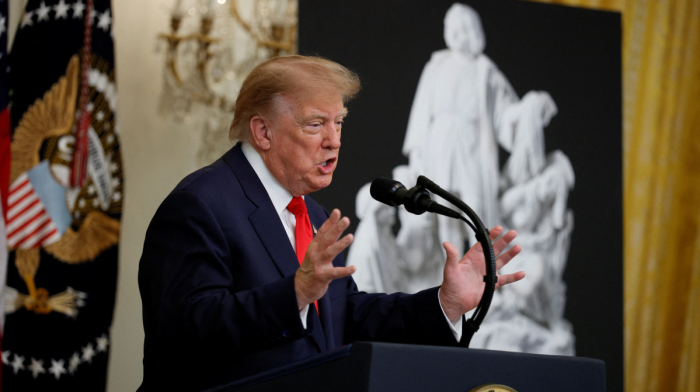
"I really think we're going to have a deal," Trump told reporters on Monday at the White House as the delegations met in Egypt.
"We have a really good chance of making a deal, and it'll be a lasting deal."
Talks to resume today
The talks began at the Red Sea resort of Sharm El Sheikh with delegations from Egypt, the United States and Qatar present as intermediaries.
A Palestinian official close to the negotiations said the first session ended late Monday evening and more talks were due to take place on Tuesday (7 October).
Wariness on all sides about the prospects of a breakthrough
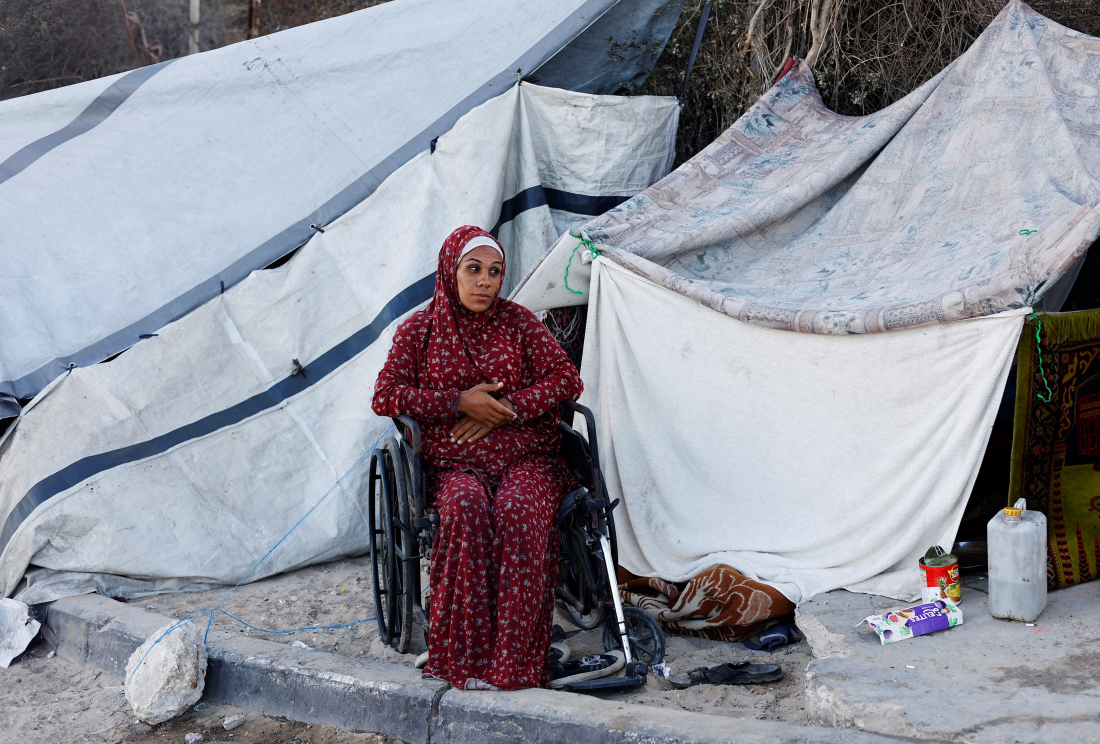
Gaza residents called a ceasefire their last hope.
"If there is a deal, then we survive. If there isn't, it is like we have been sentenced to death," said Gharam Mohammad, 20, displaced along with her family in central Gaza.
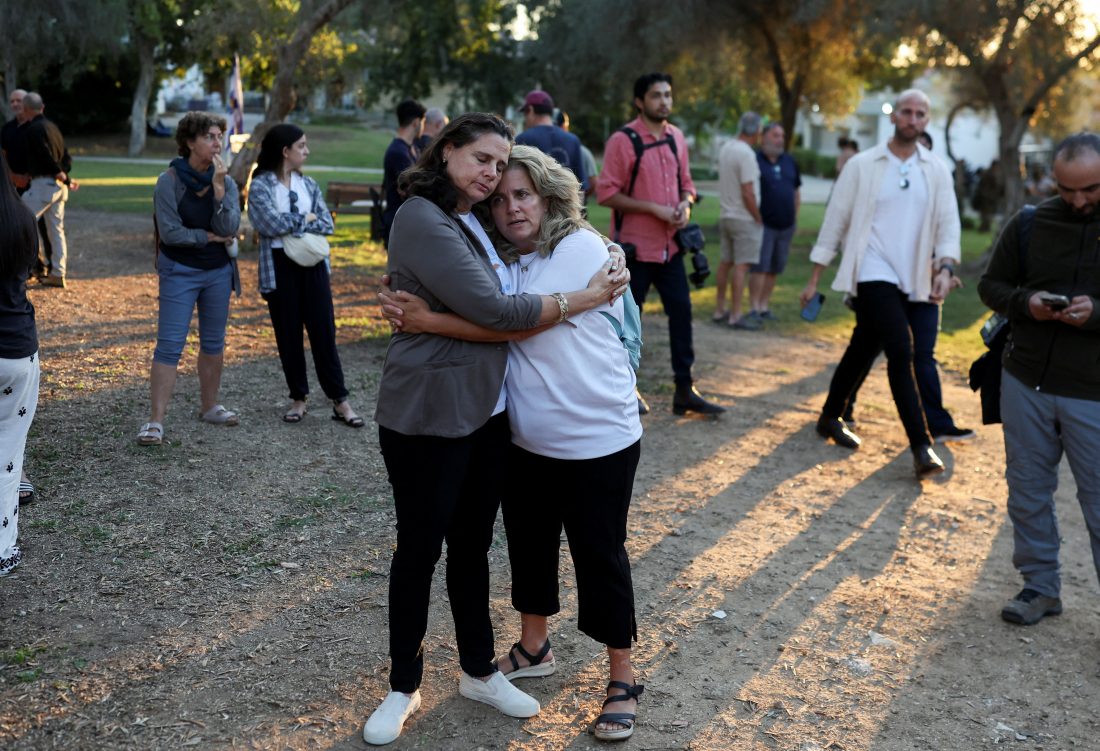
Inside Israel there is clamour for an end to the war to bring home hostages, although right-wing members of Prime Minister Benjamin Netanyahu's cabinet oppose any halt to fighting.
Though Trump says he wants a deal quickly, an official briefed on the negotiations, speaking on condition of anonymity, said he expected the round of talks starting on Monday would require at least a few days.
Both sides seek clarification
But both sides are seeking clarifications of crucial details.
Trump has pushed Israel to suspend its bombing of Gaza for the talks. Gaza residents said Israel had scaled back its offensive substantially, although not halted it altogether.
Gaza health authorities reported 19 people killed by Israeli strikes in the past 24 hours, around a third of the typical daily toll in recent weeks, when Israel has been mounting one of its biggest offensives of the war in Gaza City.
Hamas' stance on plan
Hamas outlined its stance on the release of hostages and the scale and timeline of Israel's withdrawal from Gaza, the official said. The group also voiced concerns about whether Israel would commit to a permanent ceasefire and a comprehensive pullout, the official said.
A thorny issue is likely to be the Israeli demand, echoed in Trump's plan, that Hamas disarm, a Hamas source told Reuters. The group has insisted it will not disarm unless Israel ends its occupation and a Palestinian state is created.
Israel's stance on plan
A senior Israeli security source said the talks initially would focus only on the release of hostages and give Hamas a few days to complete that phase.
Israel will not compromise on withdrawing troops only to the so-called yellow line in Gaza — a boundary for an initial Israeli pullback under the Trump plan, the source said. It would create a strategic buffer zone, and further withdrawal would depend on Hamas meeting set conditions.
Logistics of returning dead hostages
An official involved in ceasefire planning and a Palestinian source said Trump's 72-hour deadline for the hostages' return could be unachievable for dead hostages. Their remains may need to be located and recovered from scattered sites.
Strikes continue in Gaza
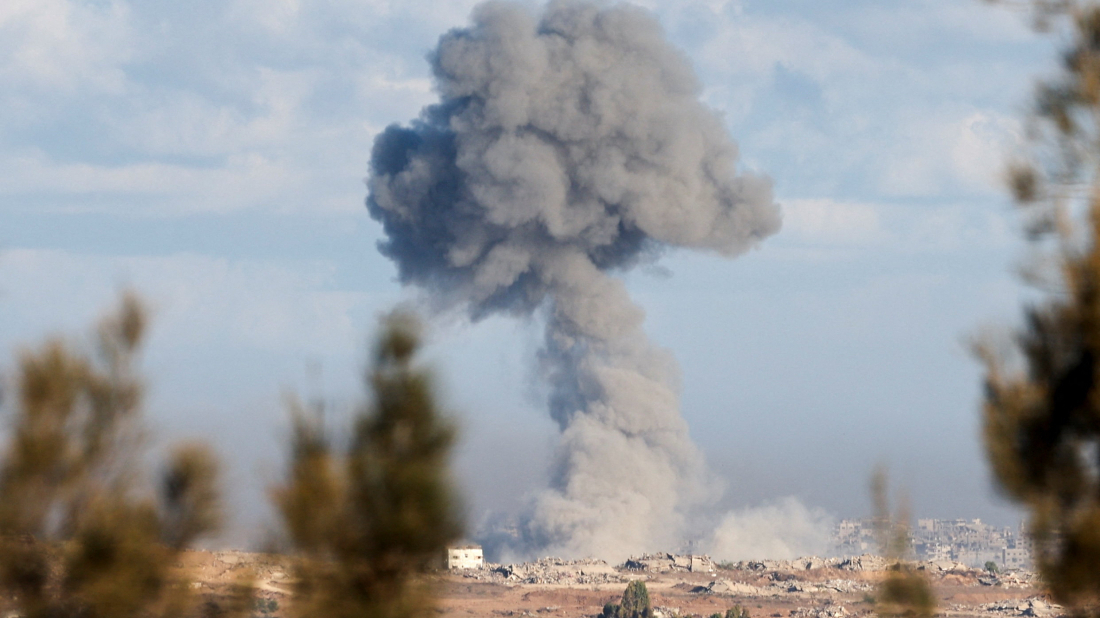
Even as the talks concluded for the day, sounds of explosions from airstrikes and demolition of houses could be heard in Gaza City, signifying that Israel had not ceased its bombardment.
Anniversary of 7 October 2023 attack
The talks commenced on the eve of the second anniversary of the Hamas attack on 7 October, 2023, on Israel that triggered the war. Fighters killed 1,200 people and took 251 hostages, the deadliest day for Jews since the Holocaust.
Israel's retaliatory military campaign has killed more than 67,000 Palestinians and left the majority of 2.2 million Gazans homeless and hungry in the Strip destroyed by relentless bombardment.
Delegations for talks
The Israeli delegation includes officials from spy agencies Mossad and Shin Bet, Netanyahu's foreign policy adviser Ophir Falk and hostages coordinator Gal Hirsch. Israel's chief negotiator, Strategic Affairs Minister Ron Dermer, was expected to join later this week, pending developments in the negotiations, according to three Israeli officials.
The Hamas delegation is led by the group's exiled Gaza leader, Khalil Al-Hayya, who survived an Israeli airstrike that killed his son in Doha, the Qatari capital, a month ago.
The U.S. has sent special envoy Steve Witkoff and Jared Kushner, the president's son-in-law who has strong ties to the Middle East, the White House said.
The parties "are going over the lists of both the Israeli hostages and also the political prisoners who will be released," White House press secretary Karoline Leavitt said on Monday.
In a statement commemorating the 7 October anniversary, United Nations Secretary-General Antonio Guterres said Trump's plan "presents an opportunity that must be seized to bring this tragic conflict to an end."













What is your opinion on this topic?
Leave the first comment