Rohingya genocide explained: What the landmark ICJ ruling means for Myanmar
The United Nations' highest court has ruled that Myanmar committed genocide against its Rohingya Muslim minority during a 2017 military crackdo...
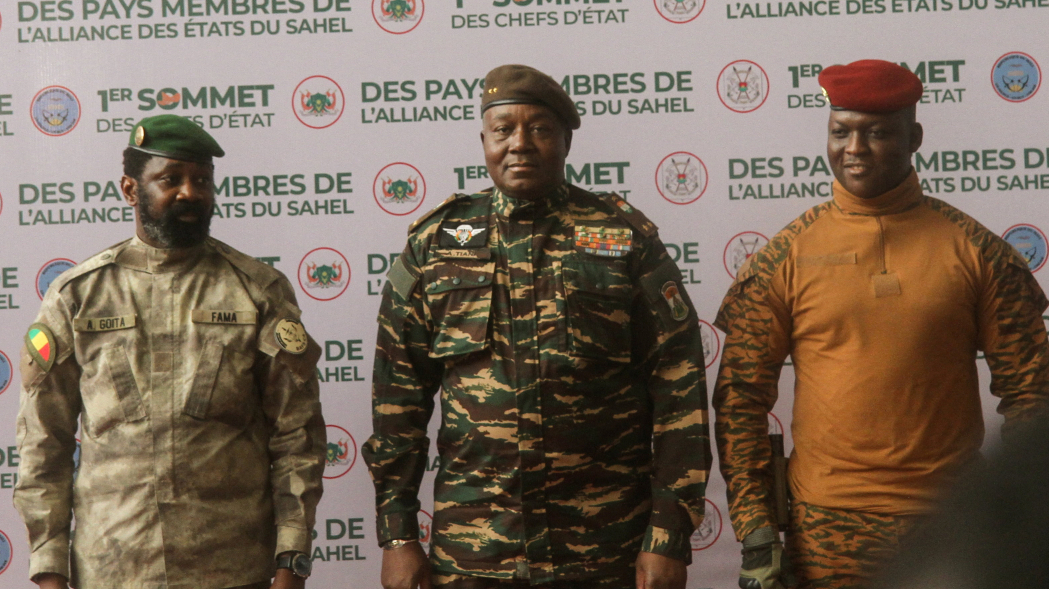
The military-led West African countries Mali, Burkina Faso and Niger have announced their withdrawal from the International Criminal Court, denouncing it as "a tool of neo-colonial repression."
The announcement, in a joint statement published earlier in the week, is the latest example of diplomatic upheaval in West Africa's Sahel region following eight coups between 2020 and 2023.
The three countries, which are ruled by military officers, have already split from the West African regional bloc ECOWAS and formed a body known as the Alliance of Sahel States. They have also curbed defence cooperation with Western powers and sought closer ties with Russia.
Mali, Burkina Faso and Niger have been members of the ICC, located in The Hague, for more than two decades. But their statement said they viewed the court as incapable of prosecuting war crimes, crimes against humanity, crimes of aggression and genocide. It did not specify examples of where the countries believed the ICC had fallen short.
The three countries are battling Islamist militant groups that control large swathes of territory and have staged frequent attacks on military installations this year.
Human Rights Watch and other groups have accused the militants as well as the militaries and partner forces of Burkina Faso and Mali of possible atrocity crimes.
In April, United Nations experts said the alleged summary execution of several dozen civilians by Malian forces may amount to war crimes.
The ICC has had an investigation open in Mali since 2013 over alleged war crimes committed primarily in the northern regions of Gao, Timbuktu and Kidal, which had fallen under militant control. Later that year, France intervened to push back the insurgents.
The Mali investigation was opened following a referral from the government at the time.
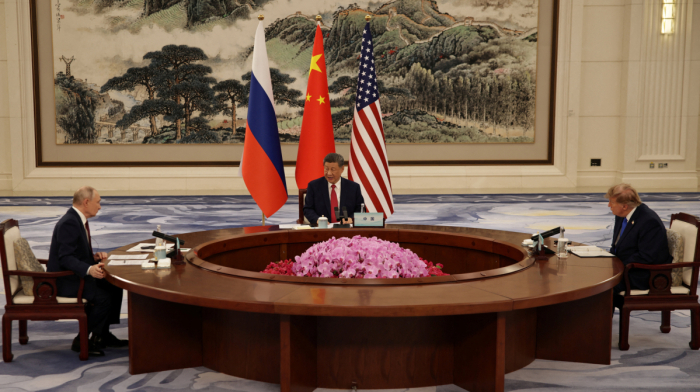
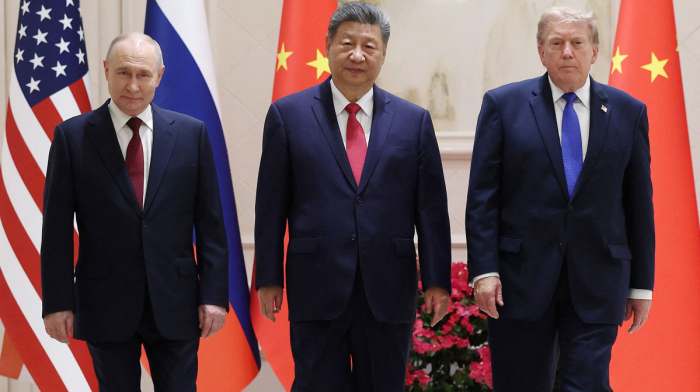
U.S. President Donald Trump, Russian President Vladimir Putin and Chinese President Xi Jinping are holding trilateral talks at the APEC summit in Shenzhen, China, with Ukraine, nuclear arms control and global security on the agenda.
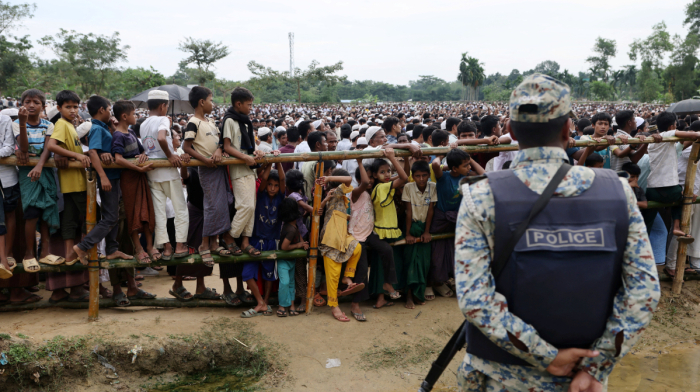
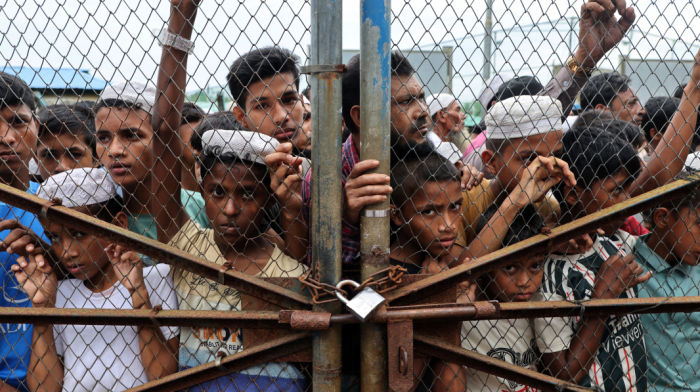
Myanmar's security forces committed genocide against Rohingya Muslims during a brutal military crackdown in 2017 that killed thousands and involved widespread sexual violence, the United Nations' top court ruled on 19 November.
U.S. President Donald Trump, China's Xi Jinping and Russia's Vladimir Putin have issued a joint “declaration of peace” following historic talks in southern China, but stopped short of committing to nuclear arms reductions or addressing the war in Ukraine in their joint statement.
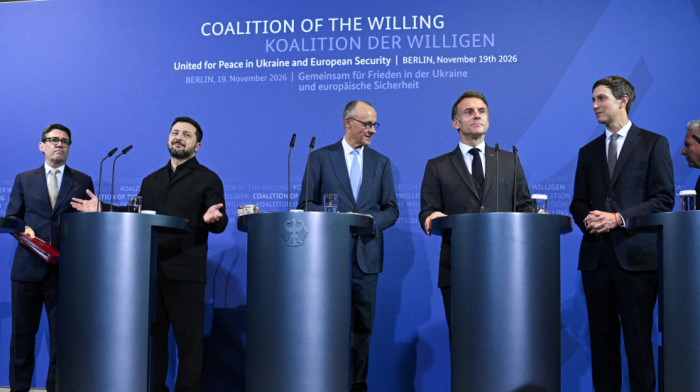
European leaders backing Ukraine met in Berlin on Thursday 19 November and warned that no peace deal should be settled without them.
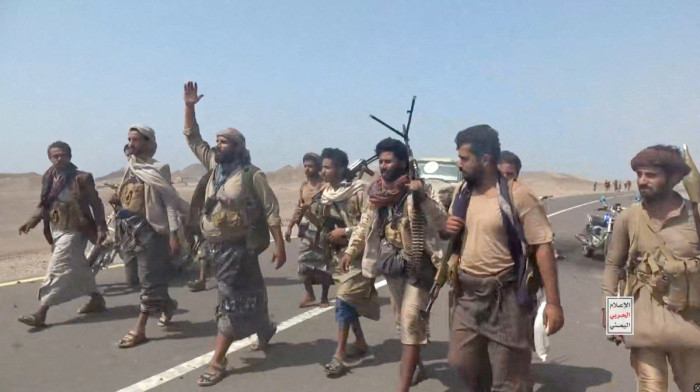
Saudi Arabia is preparing for up to six more months of fighting against Yemen’s Houthis, potentially extending the conflict into spring 2027, Reuters reported, as the kingdom struggles to secure gains on the ground.
The United Nations' highest court has ruled that Myanmar committed genocide against its Rohingya Muslim minority during a 2017 military crackdown that forced hundreds of thousands to flee their homes.
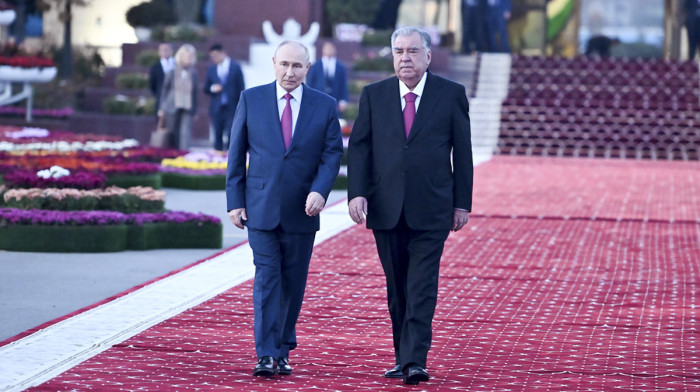
Tajik President Emomali Rahmon and Russian President Vladimir Putin held talks in Dushanbe on 20 November, focusing on labour migration, security along Tajikistan’s border with Afghanistan and the future of Russia’s military presence in the country.
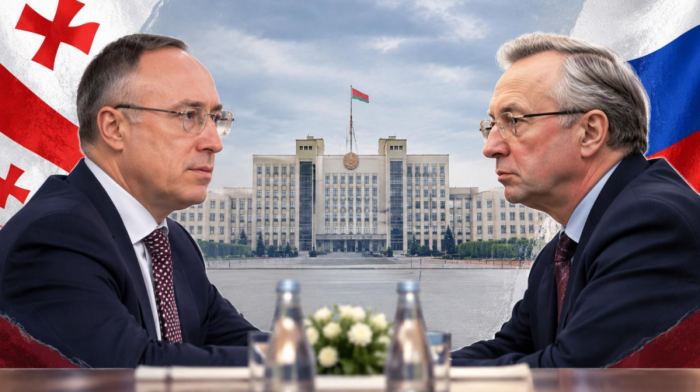
Georgia and Russia have resumed direct official talks, with senior diplomats meeting in Minsk on 19 November to discuss trade, economic cooperation and regional security, despite longstanding tensions between the two countries.
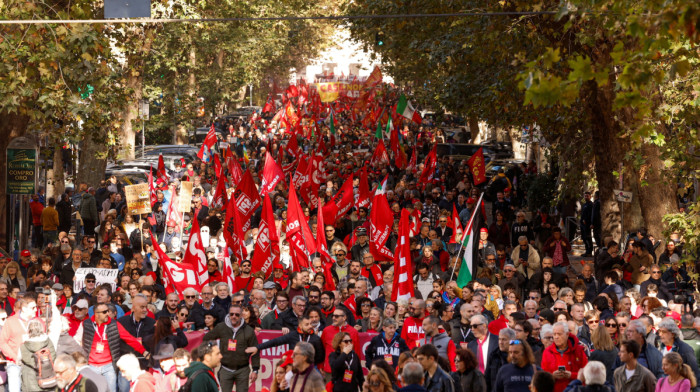
Students and workers took to the streets across Europe on Friday, 20 November, demanding better pay, affordable housing and more funding for education and public services, while protesting against rising military spending.
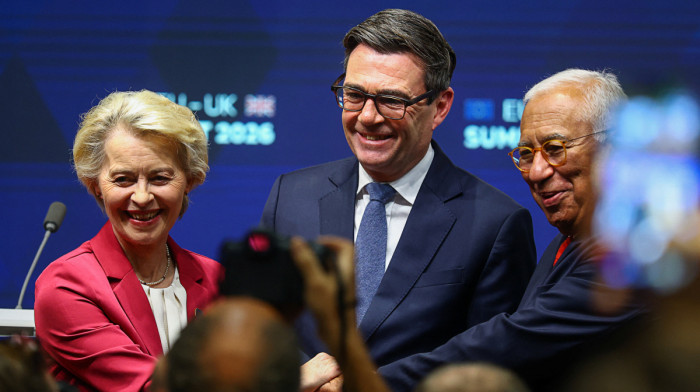
Britain and the European Union have reached an agreement to ease trade, expand opportunities for young people and deepen economic ties, in a major step towards rebuilding relations after Brexit.
You can download the AnewZ application from Play Store and the App Store.
What is your opinion on this topic?
Leave the first comment