U.S. forces seize sanctioned oil tanker, Pentagon says
U.S. military forces have seized a sanctioned oil tanker in the Indian Ocean after tracking it from Caribbean waters, the Pentagon said on Tuesday (24...
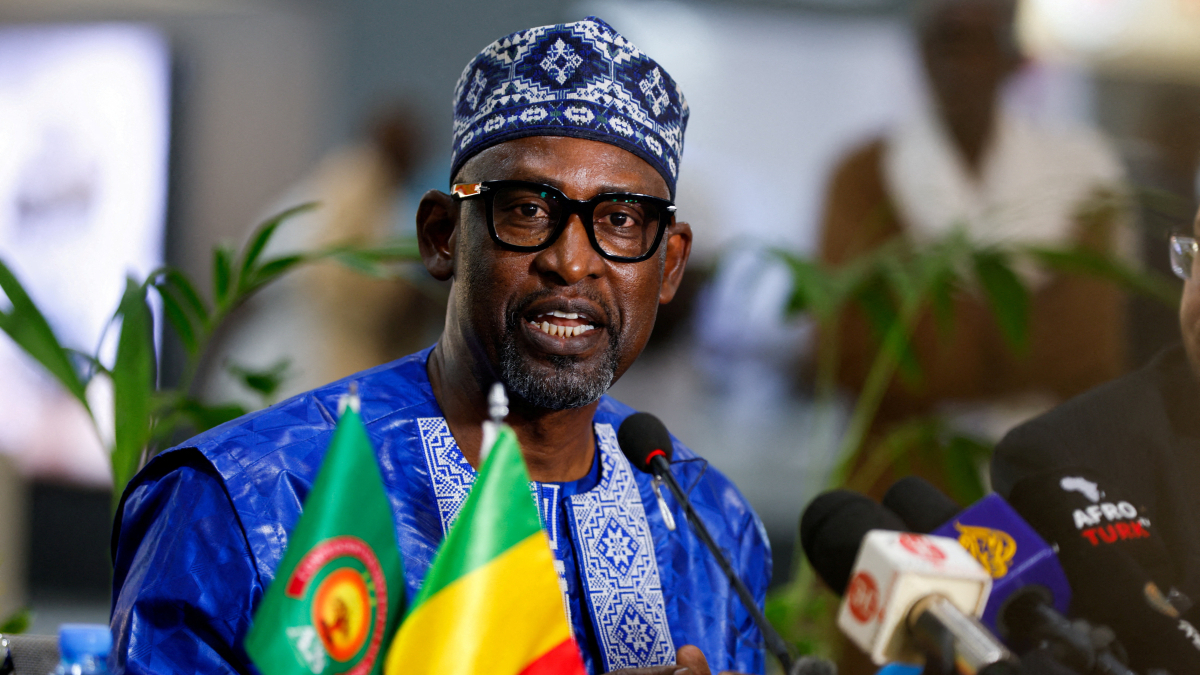
Mali’s foreign minister has rejected claims that jihadists could soon capture the capital, calling them unrealistic. It was the government’s first detailed response to growing security concerns that prompted Western nations to advise their citizens to leave the country.
The latest show of force by the jihadist group Jama'at Nusrat al-Islam wal-Muslimin (JNIM) has raised international concern that it could eventually try to seize control of Mali.
Many schools in the capital, Bamako, have reopened this week, even as the city hosts a defence exhibition featuring Turkish companies.
Speaking at a press conference during the event on Wednesday, Foreign Minister Abdoulaye Diop said Mali was managing the impact of the recent fuel blockade and insisted that JNIM posed no serious threat to the country’s security forces.
"We are very far from the scenario being described to you outside our country, saying that the terrorists are here, they are in Bamako, they are going to take this, that," he said. "We are not at all in that scenario."
Those making such predictions, he added, "need to wake up from their dreams."
Diop said the goal of the blockade was to provoke unrest and destabilise the military-led government that took power following coups in 2020 and 2021. He also criticised the African Union’s recent call for an international response, saying it reflected “a poor understanding of conditions on the ground.”
While acknowledging that some Western nations had advised their citizens to leave Mali, Diop said he respected those decisions but stressed that the country remains open and welcoming to foreigners.
The military-led governments of Mali, Niger, and Burkina Faso have withdrawn from the West African bloc ECOWAS, distanced themselves from Western allies, and strengthened military cooperation with Russia.
Diop added that relations with the United States were improving under the Trump administration, saying the two countries were engaged in “dialogue” on security and economic issues, though he did not provide details.

Italy said a fond farewell to the Winter Olympics on Sunday with an open-air ceremony in the ancient Verona Arena that celebrated art and sporting achievement at a Games lauded as a model for how to stage such events.
The United States and Iran will hold a new round of nuclear negotiations in Geneva on Thursday as part of renewed diplomatic efforts to reach a potential agreement, Oman’s Foreign Minister Badr Albusaidi announced on Sunday.
Further Iran-U.S. nuclear talks are scheduled in Geneva on Thursday (26 February) as diplomacy resumes over Tehran’s nuclear programme following earlier mediation efforts. But will the talks move Iran-U.S. negotiations closer to a deal, and what should be expected from the meeting?
Mexican authorities said on Sunday that Nemesio Oseguera Cervantes, known as El Mencho and head of the Jalisco New Generation Cartel (CJNG), was killed during a military operation in the western state of Jalisco.
The European Parliament’s trade chief has urged a temporary suspension of the EU–U.S. trade agreement approval, citing “tariff chaos” following President Donald Trump’s new 15% tariffs and a U.S. Supreme Court ruling invalidating his previous global tariff programme.
U.S. military forces have seized a sanctioned oil tanker in the Indian Ocean after tracking it from Caribbean waters, the Pentagon said on Tuesday (24 February), adding that it was the third such operation.
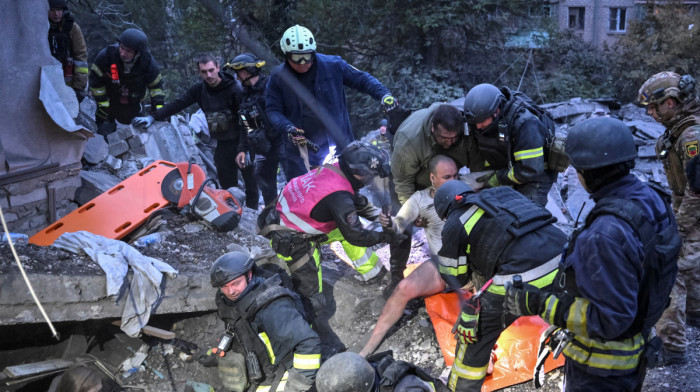
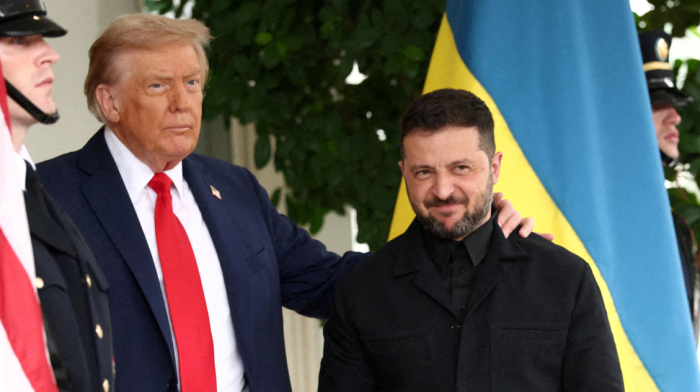
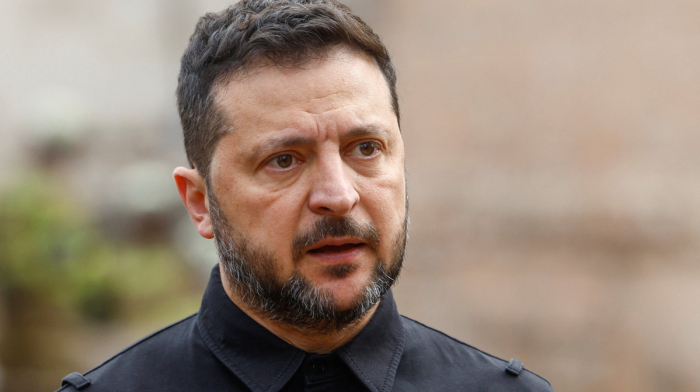
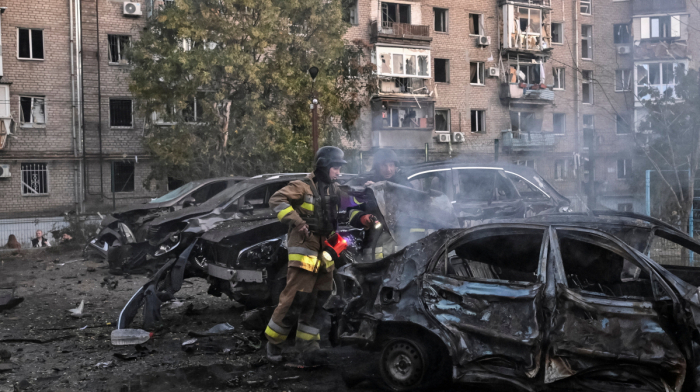
President Volodymyr Zelenskyy on Tuesday (24 February) urged Ukraine’s allies to maintain their backing as the war with Russia entered its fourth year, with divisions among European partners overshadowing anniversary commemorations.
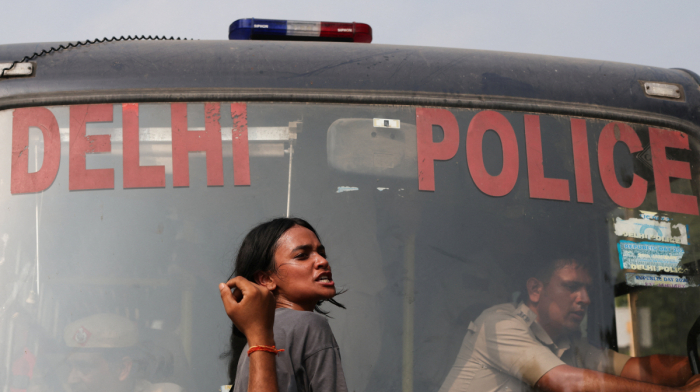
Seven people were killed after gunmen ambushed a police patrol in Kohat, a district in Pakistan’s north-west near the Afghan border, on Tuesday, in an attack that comes amid rising militant violence and heightened tensions between Pakistan and Afghanistan.
Following the full-scale invasion of Ukraine on 24 February 2022, Western governments significantly expanded sanctions targeting Russia’s finance, energy, trade and technology sectors. The measures built on restrictions first imposed in 2014 following Russia's illegal annexation of Crimea.
Britain imposed its largest package of sanctions on Russia in years on Tuesday (24 February), marking the fourth anniversary of Moscow’s invasion of Ukraine, as London also announced fresh military and humanitarian support for Kyiv.
You can download the AnewZ application from Play Store and the App Store.
What is your opinion on this topic?
Leave the first comment