



18:20 CET
Gaza war
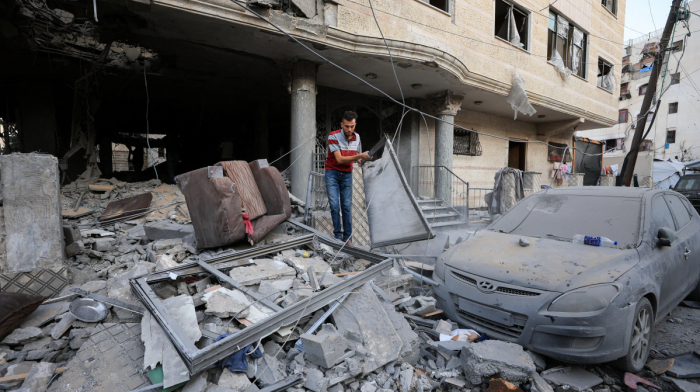
Israeli strike kills five in Gaza, including four women, health officials say
An Israeli air...



High hotel prices for Brazil's COP30 climate summit in November have prompted the United Nations to urge its staff to limit attendance, while government delegations are still scrambling to find rooms within their budgets.
The move comes as delegations grow increasingly concerned about the cost of accommodation in the coastal Amazon city of Belem hosting COP30. Brazil is working to nearly double available hotel beds, but soaring prices for accommodation have stoked calls from some governments to relocate the conference, which Brazilian officials have rejected.
"In view of the capacity constraints in Belem, I would like to kindly request that heads of United Nations system, specialized agencies and other relevant organizations review the size of their delegations at COP 30 and reduce numbers where possible," the U.N. climate secretariat's (UNFCCC) executive secretary Simon Stiell said in a document published on the UNFCCC website.
A spokesperson for Brazil's COP30 presidency did not immediately respond to a request for comment.
The UNFCCC did not issue such a request ahead of last year's U.N. climate summit in Baku, Azerbaijan.
Nearly every government in the world will gather at the annual U.N. summit to negotiate efforts to curb climate change.
But developing countries have warned that they cannot afford Belem's accommodation prices, which have soared amid a shortage of rooms.
At a meeting of countries' representatives and U.N. officials last month, the UNFCCC asked Brazil to subsidise hotel prices to ensure rooms for $100 per day for delegates from the world's poorest countries and $400-$500 per day for other countries, according to an official summary of that meeting, seen by Reuters.
Miriam Belchior, executive secretary to Brazilian President Luiz Inacio Lula da Silva's chief of staff, told journalists after the meeting that Brazil was already bearing significant costs for hosting COP30 and could not provide further subsidies. Brazil has offered poorer nations rooms capped at around $200 per night.
Countries' representatives and U.N. officials are due to meet again this week to discuss the accommodation situation for COP30.

An Israeli air...
The co-...

A major bridge across the Dnipro river in Kyiv was hit in a Russian air attack on Saturday, the city's mayor, Vitali Klitschko said, as strikes...


Yemen's air force carried out 20 strikes on Houthi targets earlier on Friday, Brigadier General Majid Abdullah Al-Nuzaili, Spokesman for the Yemeni Armed Forces, said. Meanwhile, the Iran-backed Houthis denied targeting a power plant supplying energy to a mosque in Medina, Saudi Arabia.

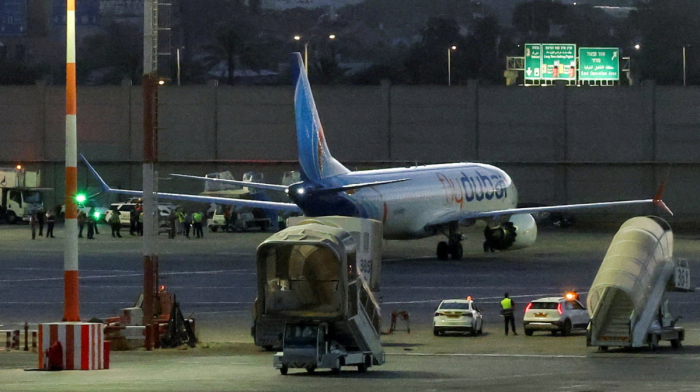
Hammam al-Hammami, the Flydubai co-pilot accused of stabbing the captain of an Israel-bound flight on Wednesday in a suspected terrorist attack, was banned from flying by Oman over concerns about his radical views, U.S. media reported on Friday, citing people familiar with the matter.

Azerbaijan and Armenia will sign a final peace agreement once Armenia amends its constitution to remove territorial claims against Azerbaijan, Hikmat Hajiyev, Assistant to Azerbaijan’s President Ilham Aliyev, has said.
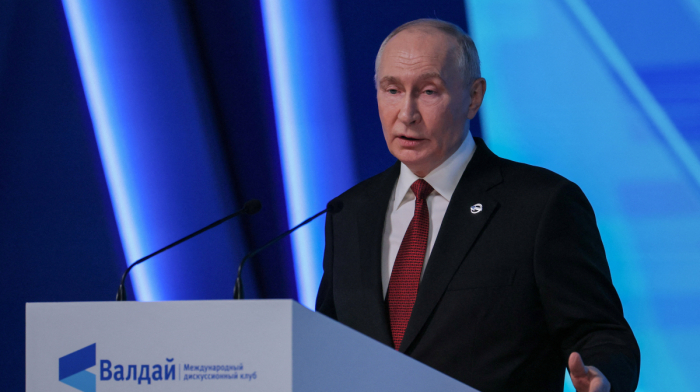
Russian President Vladimir Putin said on Thursday that Moscow wanted to end the war in Ukraine through negotiations as soon as possible, while insisting that any settlement must meet conditions acceptable to Russia and include security guarantees.
The co-pilot of Israel bound flydubai flight attempted to carry out a “terrorist attack” with an axe during the flight, the United Arab Emirates prosecutor general said on Saturday.
A major bridge across the Dnipro river in Kyiv was hit in a Russian air attack on Saturday, the city's mayor, Vitali Klitschko said, as strikes on the capital's infrastructure continue.
Hammam al-Hammami, the Flydubai co-pilot accused of stabbing the captain of an Israel-bound flight on Wednesday in a suspected terrorist attack, was banned from flying by Oman over concerns about his radical views, U.S. media reported on Friday, citing people familiar with the matter.

A U.S. federal appeals court has temporarily halted Minnesota’s ban on AI-generated fake nude images after Elon Musk’s xAI challenged the law as unconstitutional.

Two Iranian nationals have been charged in Britain with preparing a suspected terrorist attack targeting the Jewish community in northern England, police said on Friday (2 October).

The United States suspended consular services at its embassy and consulates in Brazil on Friday over unspecified security concerns, prompting Australia to close its embassy in Brasília two days before the country's presidential election.
You can download the AnewZ application from Play Store and the App Store.




What is your opinion on this topic?
Leave the first comment