Iran, China and Russia in a joint letter addressed to the UN Secretary General and the president of the Security Council have rejected the move by the E3 to call for return or snapback of Tehran’s nuclear sanctions.
The European powers "E3" - France, United Kingdom and Germany began making moves to reinstate these sanctions last week.
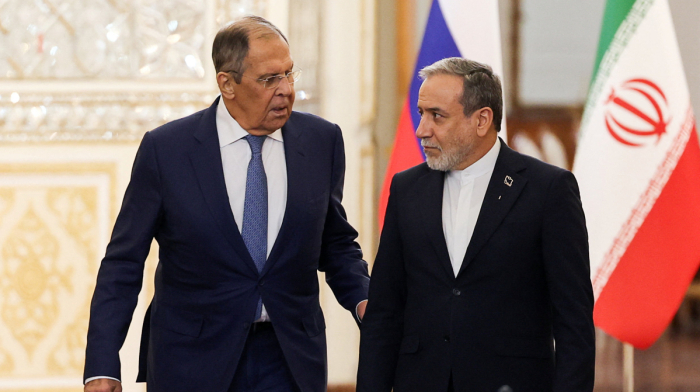
The Chinese and Russian foreign ministers joined their Iranian counterpart to express their disapproval with a letter of the European powers sent to the UN Security Council demanding re-imposition of Iran’s nuclear sanctions.
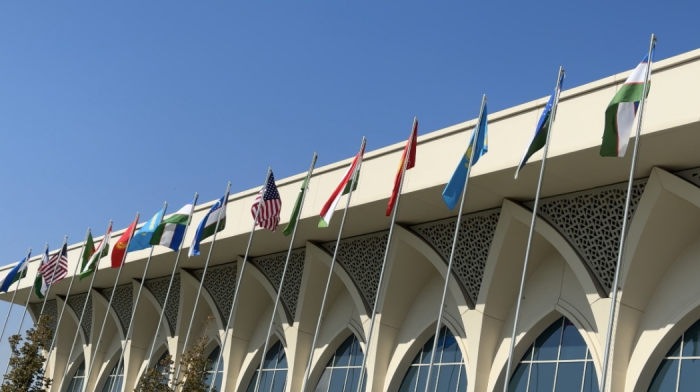
In a joint three-page letter signed in Tianjin, China where they met on the sidelines of the Shanghai Cooperation Organization summit, they rejected the move by the European troika as “void of legal basis”.
According to the Iranian Foreign Ministry’s website, “they stressed that the notification submitted by the E3 to the Security Council is contrary to the procedures set out in the 2015 Iran nuclear agreement (JCPOA) and the UN Resolution 2231, lacks legal basis, and must therefore be considered null and void.”
Iran’s Foreign Minister Abbas Araghchi in a post on his X account wrote that the letter “reflects the firm position that the European attempt to invoke snapback is legally baseless and politically destructive”.
Araghchi added: “It was the United States that first violated the JCPOA and Resolution 2231, and it was Europe that subsequently chose to align with unlawful sanctions instead of honoring its own commitments.”
Last week, the European powers which are signatories of the JCPOA in a letter to the UN Security Council called for re-activation of the nuclear sanctions which were blocked by Resolution 2231 if they did not reach an agreement with Iran in September.
Iran reacted by expressing readiness for diplomatic settlement of differences but vowing retaliatory measures warning that the E3’s decision will severely undermine Tehran’s interaction with the International Atomic Energy Agency (IAEA).
“What is at stake is not only Iran’s rights but the integrity of international agreements themselves…What the E3 proposes betrays this mission, turning the Council into an instrument of coercion rather than a guardian of global stability,” read Araghchi’s post.
Prior to the E3’s letter, China and Russia which are also parties to the JCPOA proposed a draft resolution suggesting extension of the Resolution 2231 which expires in October and called for exemption of sanctions for a limited period in order to reach an agreement in the meantime.
The joint letter signed by the top diplomats of Iran, Russia and China was sent as Tehran gears up for a face-off with the US and its European allies at the UN Security Council by matching up with Moscow and Beijing as permanent members of the council.
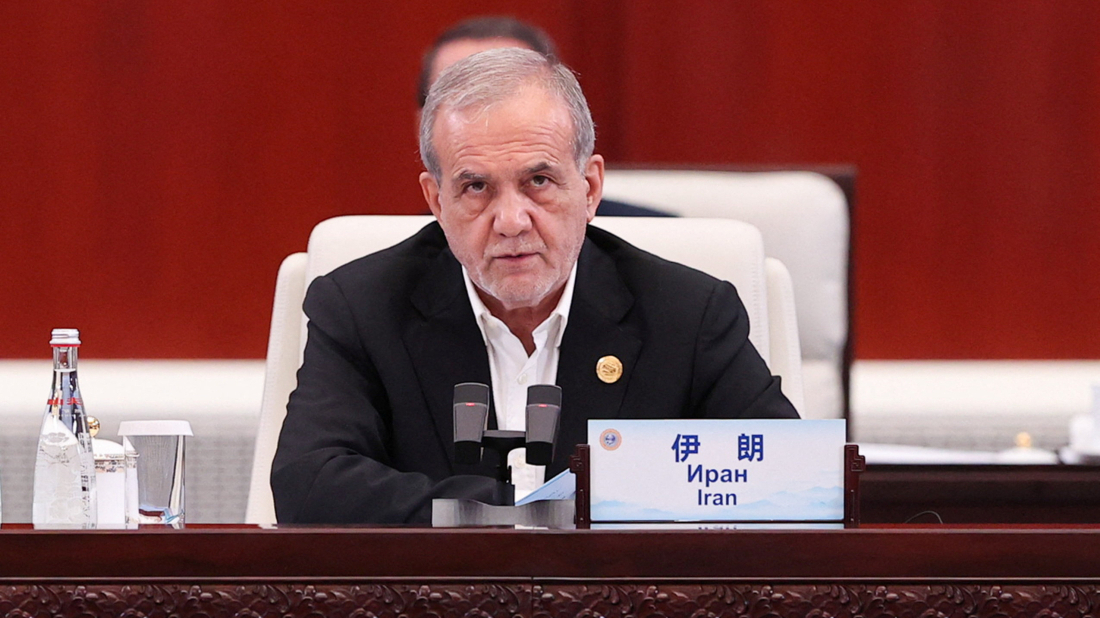
Iran’s President Masoud Pezeshkian and Foreign Minister Abbas Araghchi will be departing for New York to take part at the 80th UN General Assembly Session which opens on the third Tuesday of September every year.
They are expected to meet their counterparts prior to what appears to be Tehran’s decisive moment at the world body to safeguard its civilian nuclear program during the last-minute exchange of views at the UN Headquarters later this month.












What is your opinion on this topic?
Leave the first comment