live Trump sees 'progress' in Israel-Lebanon talks as Hezbollah rejects ceasefire
U.S. President Donald Trump said he sees progress between Israel and Lebanon after talks with Netanyahu, while Hezbollah has rejected a new ceasefire ...
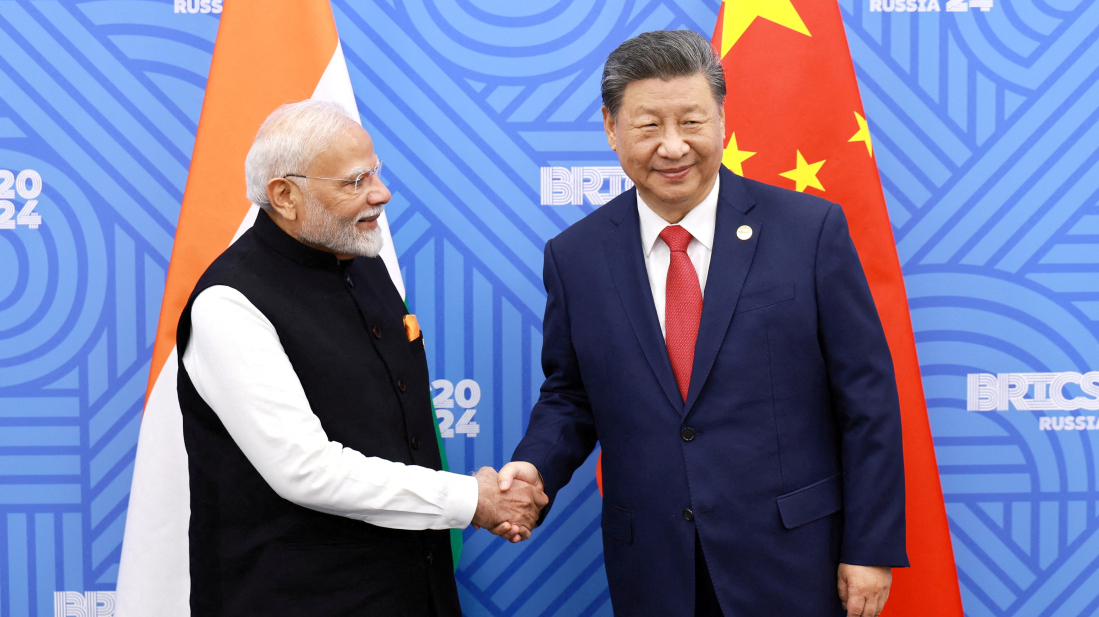
China and India are cautiously rebuilding ties with plans for direct flights, trade revival, and high-level meetings, signaling a thaw in relations after years of tension. The moves come as both nations face shifting dynamics with the United States.
Chinese Foreign Minister Wang Yi will visit New Delhi next week for talks with India's National Security Adviser Ajit Doval on their disputed Himalayan border — the second such meeting since a deadly 2020 clash.
Later this month, Indian Prime Minister Narendra Modi will meet Chinese President Xi Jinping in China for the Shanghai Cooperation Organisation summit, marking his first visit in seven years.
The recent diplomatic push follows an October agreement easing patrol tensions along the border, which had long strained trade, investment, and air travel.
Ties have been further boosted amid new frictions between India and the U.S., after President Donald Trump imposed steep tariffs on Indian exports. Meanwhile, Beijing and Washington extended a tariff truce for another 90 days.
China and India have already agreed to resume direct flights suspended since 2020 and are discussing easing trade barriers, including reopening border trade at three Himalayan crossings.
While such trade represents a small share of their $127.7 billion annual exchange, its revival is viewed as a symbolic step toward normalizing ties.
"We have remained engaged with the Chinese side to facilitate the resumption of border trade through all the designated trade points," India's foreign ministry spokesperson, Randhir Jaiswal, told on Thursday.
Both governments say the move will benefit residents along the border and foster people-to-people exchanges.

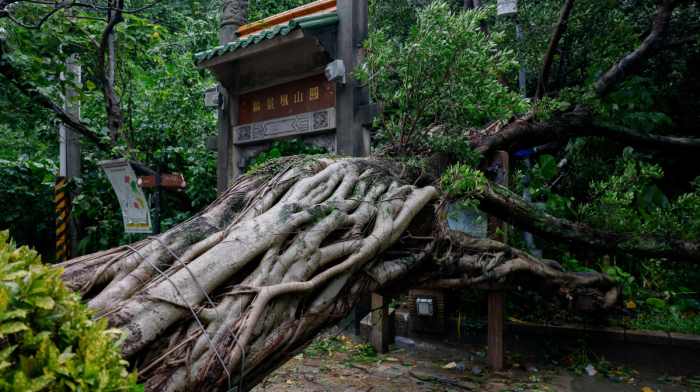
Severe Tropical Storm Jangmi brought heavy rain, power cuts and transport disruption across Japan on Wednesday (3 June) as it tracked towards the greater Tokyo region.
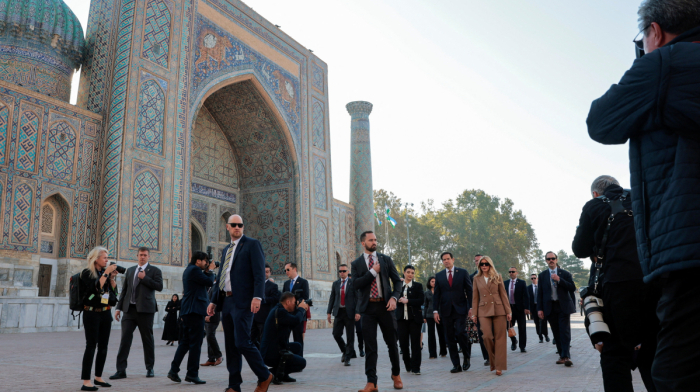
Thousands of people have taken to the streets in Albania in recent days to protest against a luxury tourism project linked to Jared Kushner, the son-in-law of U.S. President Donald Trump, and his wife Ivanka Trump.
Armenia’s parliamentary election comes at a defining moment for the South Caucasus, a region reshaped by the Garabagh conflict and broader shifts in Russia-West relations. The outcome is increasingly seen as a signal of Armenia’s future foreign policy direction and the regional balance of power.
Global weather forecasters predict a strong El Niño will develop in the second half of 2026, bringing hotter, drier conditions to much of Asia while increasing rainfall in parts of North and South America.
Bolivia’s Defence Minister has resigned amid widening unrest over government austerity measures, which have led to protesters blocking roads into the country’s two largest cities.
China has criticised planned maritime boundary discussions between Japan and the Philippines, arguing that the waters involved fall within an area where Beijing claims maritime rights and jurisdiction.
U.S. President Donald Trump will attend next month's NATO leaders' summit in Türkiye, ending weeks of uncertainty over whether he would take part in a gathering expected to focus on the future of the alliance.
All 27 European Union (EU) member countries have agreed to begin the first set of talks with Ukraine and Moldova about joining the political and economic bloc.
Germany's foreign minister Johann Wadephul has suggested that Berlin's strong backing of Ukraine and its close ties with Israel may have contributed to its failure to secure a seat on the United Nations Security Council.
Start your day informed with the AnewZ Morning Brief. Here are the top stories for the 4 June, covering the latest developments you need to know.
You can download the AnewZ application from Play Store and the App Store.
What is your opinion on this topic?
Leave the first comment