AnewZ Morning Brief - 4 February, 2026
Start your day informed with AnewZ Morning Brief: here are the top news stories for the 4rd of February, covering the latest developments you need to ...
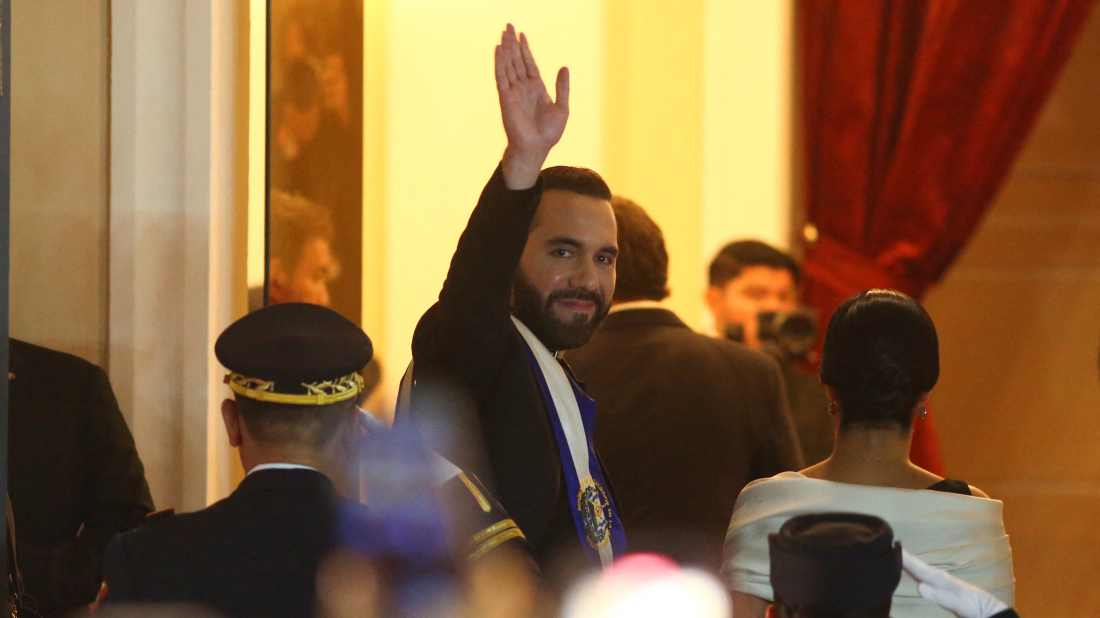
El Salvador’s ruling New Ideas party passed a bill on Thursday that reforms the country’s election system, allowing President Nayib Bukele to run for unlimited terms, extending each term from five to six years, and removing the need for run-off elections.
This change comes after the Supreme Court, packed with Bukele supporters, ruled in 2021 that his re-election was a human right despite constitutional bans.
The bill, which passed 57-3 ahead of Congress’s recess, also shortens the current presidential term to align upcoming elections in 2027, synchronizing presidential, legislative, and municipal votes, a move likely to benefit Bukele’s party across the board.
Lawmaker Ana Figueroa, who proposed the bill, framed it as empowering voters to decide how long to support elected officials.
"This is quite simple, El Salvador: only you will have the power to decide how long you wish to support the work of any public official, including your president," she said.
However, opposition lawmakers warned the changes threaten democracy by enabling one-party dominance.
"Today, democracy has died in El Salvador," said legislator Marcela Villatoro of the opposition Republican National Alliance (ARENA).
Bukele remains popular due to his tough anti-gang policies that have sharply reduced homicide rates, though human rights groups have criticized his methods for targeting innocents.
Cristosal, a human rights organization, recently left the country, condemning the reforms as a step toward authoritarianism.
Noah Bullock, Cristosal’s executive director, said, “They changed the political system to allow the president to perpetuate himself in power indefinitely and we continue to follow the well-traveled path of autocrats.”

Talks with the U.S. should be pursued to secure national interests as long as "threats and unreasonable expectations" are avoided, President Masoud Pezeshkian posted on X on Tuesday (3 February).
Cuba’s Deputy Foreign Minister Carlos Fernández de Cossío has denied that Havana and Washington have entered formal negotiations, countering recent assertions by U.S. President Donald Trump, while saying the island is open to dialogue under certain conditions.
Mexico said it will stop sending oil to Cuba as U.S. President Donald Trump ramped up pressure on the Caribbean nation.
Iranian media outlets have backtracked on claims President Masoud Pezeshkian ordered a return to nuclear talks with the United States, fuelling fresh uncertainty over the state of diplomacy between the two rivals.
Web Summit Qatar 2026 opened in Doha on Sunday, drawing tens of thousands of founders, investors, policymakers and technology leaders to what organisers describe as one of the region’s largest digital economy gatherings.
Start your day informed with AnewZ Morning Brief: here are the top news stories for the 4rd of February, covering the latest developments you need to know.
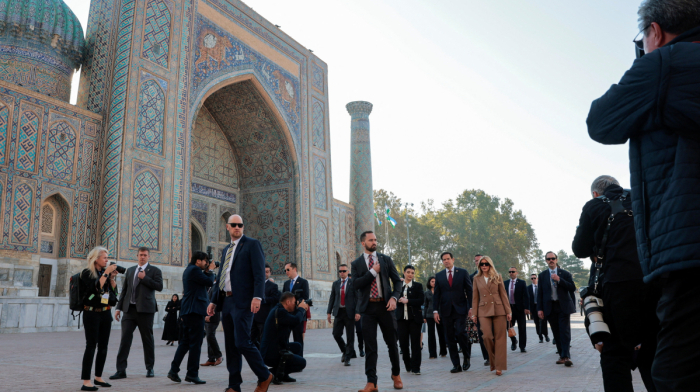
U.S. Secretary of State Marco Rubio met with Indian Foreign Minister Subrahmanyam Jaishankar on Tuesday (February 3) one day after the U.S. and India signed a trade deal.
British Prime Minister Keir Starmer spoke to U.S. President Donald Trump on Tuesday and discussed the situation in Ukraine, including the overnight Russian attacks on the country, the UK government said.
U.S. President Donald Trump on Tuesday (3 February) signed a spending deal into law that ends a partial U.S. government shutdown and gives lawmakers time to negotiate potential limits on his immigration crackdown.
Ukrainian President Volodymyr Zelenskyy accused Russia on Tuesday (3 February) of exploiting a U.S.-backed energy ceasefire to stockpile weapons and launch large-scale drone and missile attacks on Ukraine ahead of peace talks.
You can download the AnewZ application from Play Store and the App Store.
What is your opinion on this topic?
Leave the first comment