AnewZ Morning Brief - 4 February, 2026
Start your day informed with AnewZ Morning Brief: here are the top news stories for the 4rd of February, covering the latest developments you need to ...
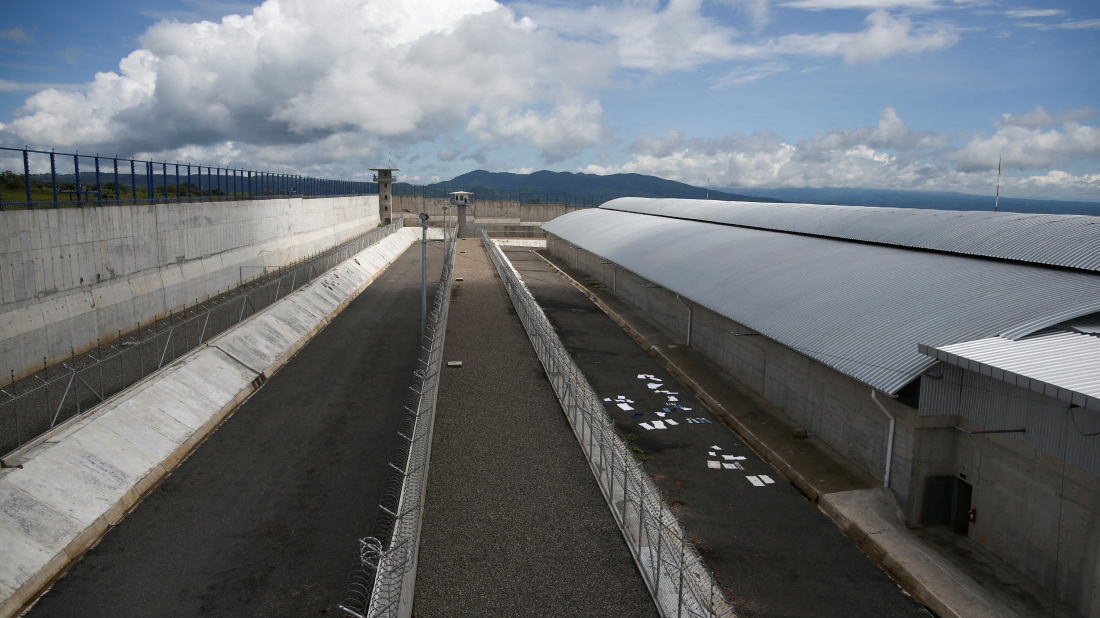
El Salvador’s Congress has approved a law allowing minors convicted of serious gang-related crimes to be housed in adult prisons, though in separate areas. The move is part of President Nayib Bukele’s ongoing crackdown on organized crime.
The new law applies to children under 18 who are gang members convicted of major crimes, including:
✔ Homicide
✔ Kidnapping
✔ Arms trafficking
📢 "This will prevent them from receiving the same criminal treatment as those who have committed less serious crimes," Congress said in a statement.
Why It Matters
Since 2022, Bukele’s government has implemented a state of emergency, suspending constitutional rights and introducing mass trials. His administration has also built a mega-prison to house thousands of detainees.
Rights groups allege that prisoners, including minors, have been tortured, though the government denies these claims.
Meanwhile, the United States is assessing a plan to send U.S. citizens convicted of crimes to Salvadoran prisons.
By the Numbers
📊 Official figures on detained minors remain scarce, but:
1,065 minors were convicted under El Salvador’s state of emergency (as of February 2023).
More than 3,300 children were detained between March 2022 and December 2023, according to Human Rights Watch.
Before the crackdown, the annual average for minors in juvenile detention centers was 805 (2018-2021).
What’s Next?
El Salvador’s hardline security policies continue to draw international scrutiny, with human rights concerns clashing against the government’s claim of restoring order.

Talks with the U.S. should be pursued to secure national interests as long as "threats and unreasonable expectations" are avoided, President Masoud Pezeshkian posted on X on Tuesday (3 February).
Cuba’s Deputy Foreign Minister Carlos Fernández de Cossío has denied that Havana and Washington have entered formal negotiations, countering recent assertions by U.S. President Donald Trump, while saying the island is open to dialogue under certain conditions.
Mexico said it will stop sending oil to Cuba as U.S. President Donald Trump ramped up pressure on the Caribbean nation.
Iranian media outlets have backtracked on claims President Masoud Pezeshkian ordered a return to nuclear talks with the United States, fuelling fresh uncertainty over the state of diplomacy between the two rivals.
Web Summit Qatar 2026 opened in Doha on Sunday, drawing tens of thousands of founders, investors, policymakers and technology leaders to what organisers describe as one of the region’s largest digital economy gatherings.
Start your day informed with AnewZ Morning Brief: here are the top news stories for the 4rd of February, covering the latest developments you need to know.
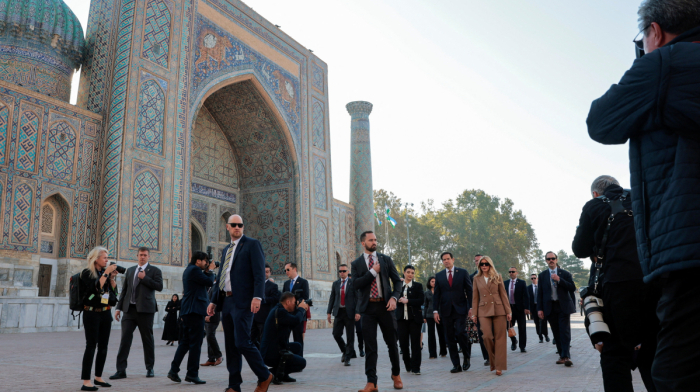
U.S. Secretary of State Marco Rubio met with Indian Foreign Minister Subrahmanyam Jaishankar on Tuesday (February 3) one day after the U.S. and India signed a trade deal.
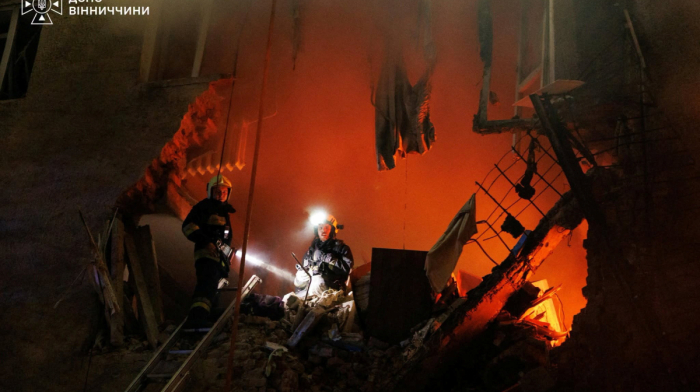
British Prime Minister Keir Starmer spoke to U.S. President Donald Trump on Tuesday and discussed the situation in Ukraine, including the overnight Russian attacks on the country, the UK government said.
U.S. President Donald Trump on Tuesday (3 February) signed a spending deal into law that ends a partial U.S. government shutdown and gives lawmakers time to negotiate potential limits on his immigration crackdown.
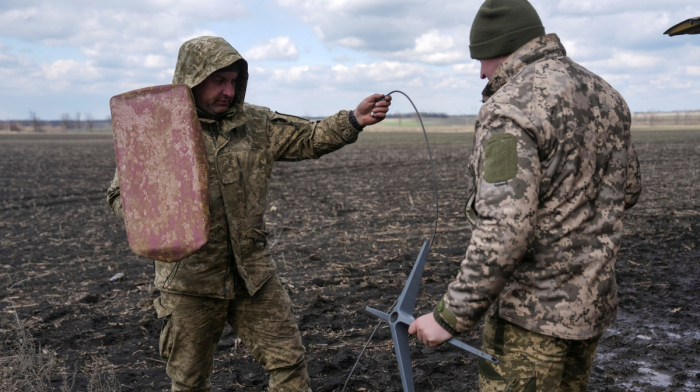
Ukrainian President Volodymyr Zelenskyy accused Russia on Tuesday (3 February) of exploiting a U.S.-backed energy ceasefire to stockpile weapons and launch large-scale drone and missile attacks on Ukraine ahead of peace talks.
You can download the AnewZ application from Play Store and the App Store.
What is your opinion on this topic?
Leave the first comment