Salvadoran President Nayib Bukele has offered to exchange 252 Venezuelan deportees held in El Salvador for an equal number of political prisoners detained by Nicolás Maduro's government, prompting both international criticism and a scathing response from Venezuela.
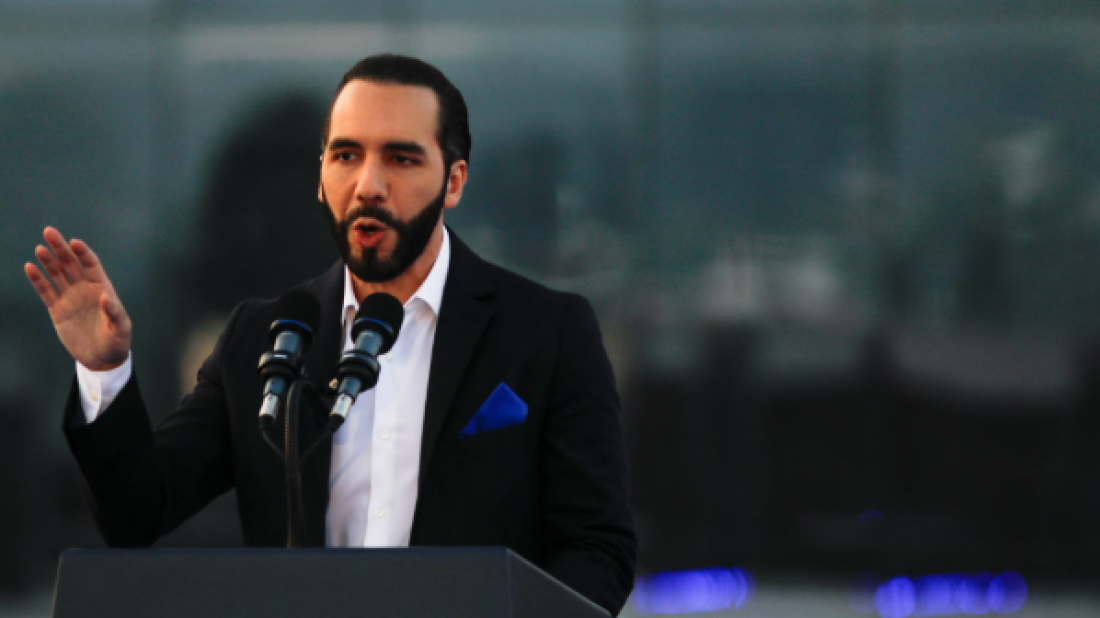
Salvadoran President Nayib Bukele proposed carrying out a prisoner swap with Venezuela on Sunday, suggesting he would exchange Venezuelan deportees from the United States his government has kept imprisoned for what he called “political prisoners” in Venezuela.
In a post on the social media platform X, directed at President Nicolás Maduro, Bukele listed off a number of family members of high-level opposition figures in Venezuela, journalists and activists detained during the South American government’s electoral crackdown last year.
“The only reason they are imprisoned is for having opposed you and your electoral fraud,” he wrote to Maduro. “However, I want to propose a humanitarian agreement that includes the repatriation of 100% of the 252 Venezuelans who were deported, in exchange for the release and surrender of an identical number (252) of the thousands of political prisoners you hold.”
Among those he listed were the son-in-law of former Venezuelan presidential candidate Edmundo González, a number of political leaders seeking asylum in the Argentine embassy in Venezuela, and what he said were 50 detained citizens from a number of different countries across the world. Bukele also listed the mother of opposition leader María Corina Machado, whose house the political leader has said was surrounded by Venezuelan police in January.
Bukele said he would ask El Salvador’s foreign ministry to be in contact with the Maduro government.
Venezuela’s prosecutor’s office responded Sunday night, calling Bukele’s statements “cynical” and referred to the Salvadoran leader as a “neofascist.”
It demanded Bukele’s government provide the Venezuelan government with a list of the people detained as well as their legal status and medical reports.
“The treatment received by Venezuelans in the United States and El Salvador, constitutes a serious violation of international human rights law and constitutes a crime against humanity,” it said in the statement.
The proposal comes as El Salvador has come under sharp international scrutiny for accepting Venezuelans and Salvadorans deported by the Trump administration, which accused them of being alleged gang members with little evidence. Deportees are locked up in a “mega-prison” know as the Terrorism Confinement Center (CECOT), built by the Bukele government during his crackdown on the country’s gangs.
Controversy has only continued after it was revealed that a Maryland father married to a U.S. citizen, Kilmar Abrego Garcia, was deported by mistake. The U.S. Supreme Court ordered the U.S. government to facilitate his return, but there’s no sign of that happening.
El Salvador’s archbishop José Luis Escobar Alas on Sunday called on Bukele not “to allow our country to become a big international prison.”
Despite the controversy, Bukele maintained that all of the people he has kept in the prison were “part of part of an operation against gangs like the Tren de Aragua in the United States.”













What is your opinion on this topic?
Leave the first comment