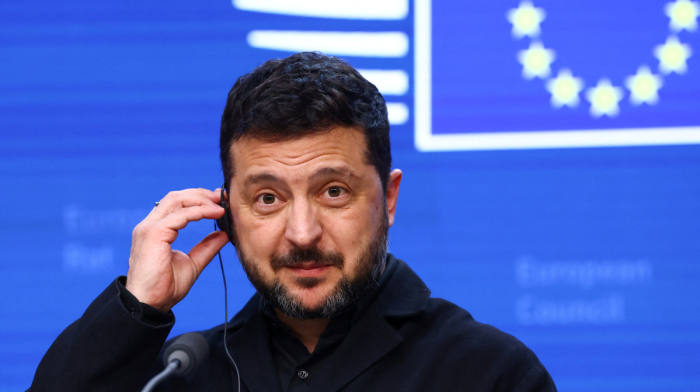
Iran's Supreme Leader Mojtaba Khamenei warns 'foreigners' as Iran enters new phase in Gulf
Iran’s Supreme Leader Mojtaba Khamenei warned “foreigners who commit evil” have no place in the Gulf, outlining a “new phas...
Congo and the M23 rebel group have agreed on a declaration of principles after months of Qatar-mediated talks, aiming to end fighting in the country’s east.
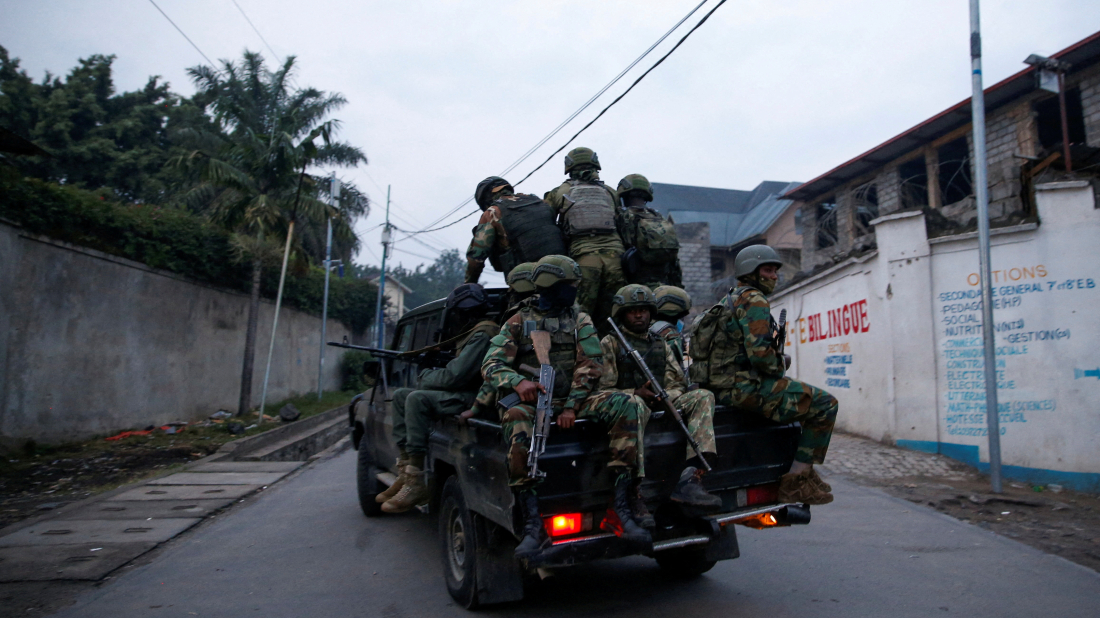
The Democratic Republic of Congo and M23 rebels have reached a declaration of principles to ease violence in eastern Congo, a region plagued by years of conflict. The deal, expected to be signed in Doha, includes an immediate ceasefire and a commitment to begin formal negotiations on a broader peace agreement.
The agreement follows months of mediation led by Qatar and pressure from the United States, which sees the peace effort as key to unlocking investment in Congo’s mineral-rich eastern provinces.
Fighting between M23 and Congolese forces, supported by regional actors, has intensified since January, with the rebels capturing major territory across North and South Kivu provinces. Thousands have been killed and hundreds of thousands displaced.
Qatar previously brokered a surprise meeting in March between Congolese President Félix Tshisekedi and Rwandan President Paul Kagame, calling for an unconditional ceasefire. Direct talks between Congo and M23 followed, despite Kinshasa initially branding the group a terrorist organization.
Negotiators say the declaration outlines steps for a lasting ceasefire and the eventual restoration of state authority in rebel-held areas. However, there are still unresolved issues, including M23’s withdrawal, the reopening of banks, and the release of detained fighters.
The UN and Western governments have accused Rwanda of backing M23 with troops and weapons — allegations Kigali denies, saying its forces are defending against Hutu militias linked to the 1994 genocide.

A report published by Minval Politika has raised new questions over alleged efforts by Luis Moreno Ocampo to shape international pressure against Azerbaijan and influence political dynamics around Armenia.
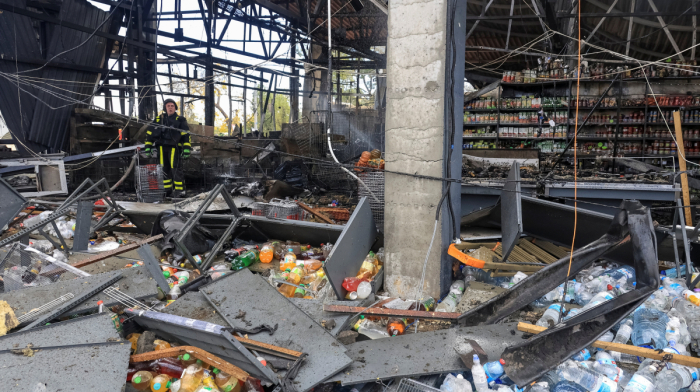
A Pentagon official provided the first official estimate of the cost of the U.S. war in Iran on Wednesday (29 April), telling lawmakers that $25 billion had so far been spent on the conflict, most of it on munitions. Earlier, Donald Trump said that the U.S. had "militarily defeated" Tehran.
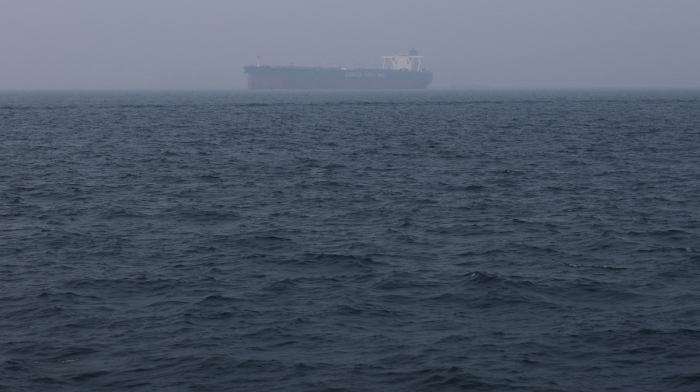
Iran’s Supreme Leader Mojtaba Khamenei warned “foreigners who commit evil” have no place in the Gulf, outlining a “new phase” for the Strait of Hormuz, while a senior adviser said U.S. blockade efforts would fail and could trigger confrontation.
Shares in Meta Platforms fell sharply in extended trading on Wednesday after the tech giant raised its annual capital spending forecast by billions of dollars.
The decision by the United Arab Emirates to leave OPEC+ on 1 May has put renewed focus on one of the most influential groups in global energy - and how its decisions can shape oil prices worldwide.
China has passed a new law aimed at ensuring its most vulnerable citizens are not left without support.
China has warned the U.S. that Taiwan will dominate next month’s summit in Beijing, raising pressure on Washington and concern in Taipei over any shift in long-standing American policy.
Shares in Meta Platforms fell sharply in extended trading on Wednesday after the tech giant raised its annual capital spending forecast by billions of dollars.
From Thursday, 1 May, goods from every African country with diplomatic ties to China will be able to enter the Chinese market without paying import duties.
Start your day informed with the AnewZ Morning Brief. Here are the top stories for the 30th of April, covering the latest developments you need to know.
You can download the AnewZ application from Play Store and the App Store.
What is your opinion on this topic?
Leave the first comment