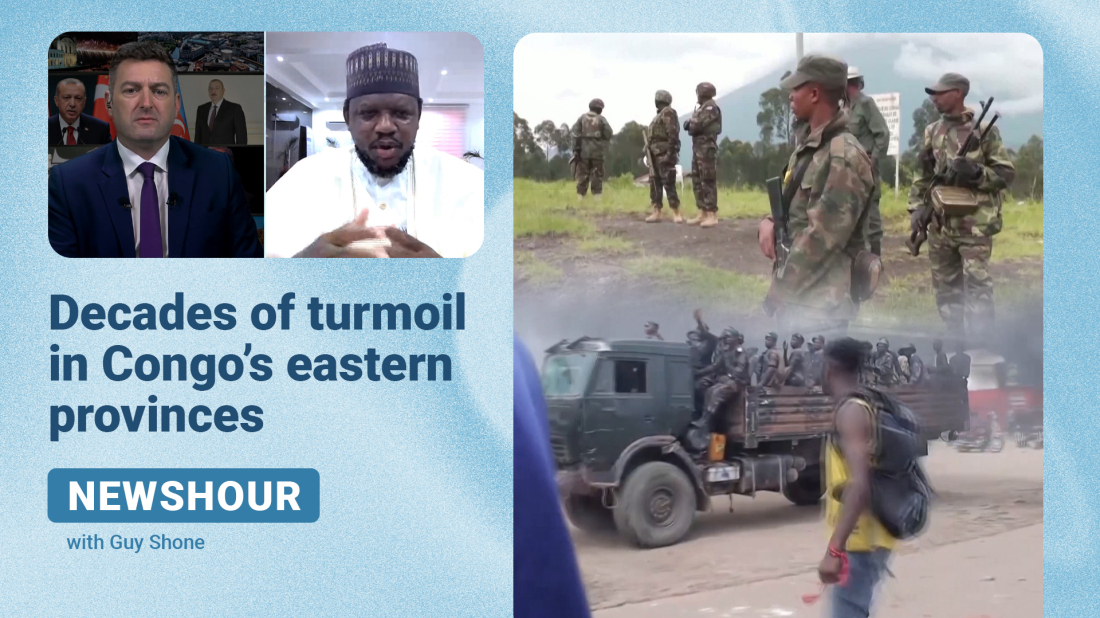
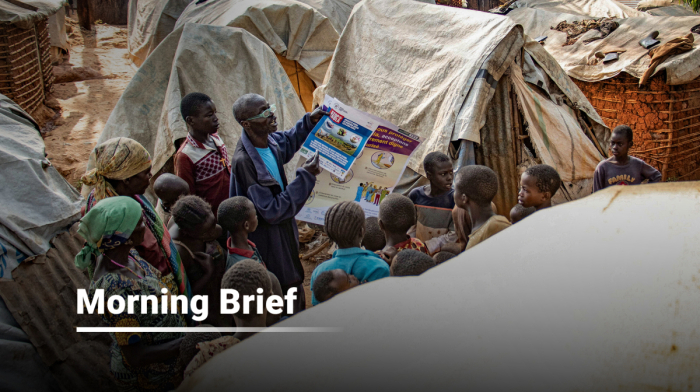
NGOs have accused Rwanda-linked rebels of carrying out massacres of civilians in eastern Democratic Republic of Congo. The allegations add another layer to a conflict that has destabilised the Great Lakes region for nearly three decades, uprooting millions and leaving communities traumatised.
The violence in DR Congo’s east traces back to the aftermath of Rwanda’s 1994 genocide, when refugee flows and armed factions spilled over the border. In the years that followed, the country endured two devastating wars involving multiple African nations, often referred to as Africa’s “world war.” While a peace agreement was signed in 2003, armed groups never truly disbanded, instead re-emerging in cycles of violence.
Today, the resurgence of the M23 rebellion has brought fresh instability. The group cites broken peace promises, while Kinshasa accuses Rwanda of supplying direct support—a charge Kigali denies. Despite regional mediation and United Nations involvement, civilians remain the primary victims, facing displacement, recruitment by militias, and recurring attacks.
In this edition of NewsHour, we hear from our correspondent Chris Ocamringa in Kinshasa and later from Nigerian political analyst Adamu Garba, as we explore the history, the allegations, and the pressing question of how peace can finally be achieved.
The UN's International Maritime Organization has paused escort operations through the Strait of Hormuz after a cargo ship was reportedly attacked near...
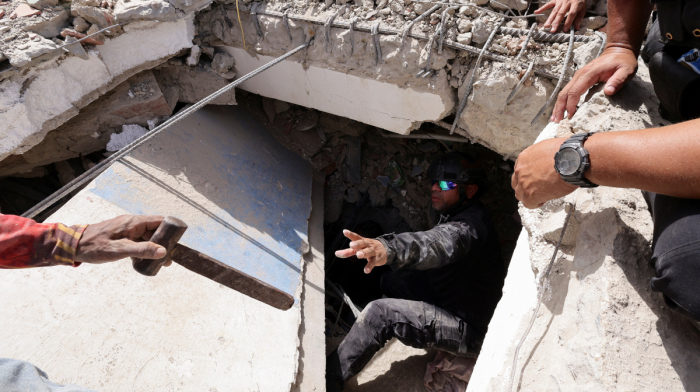
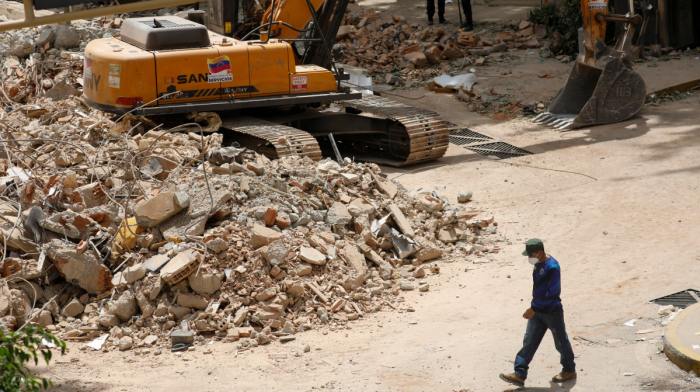
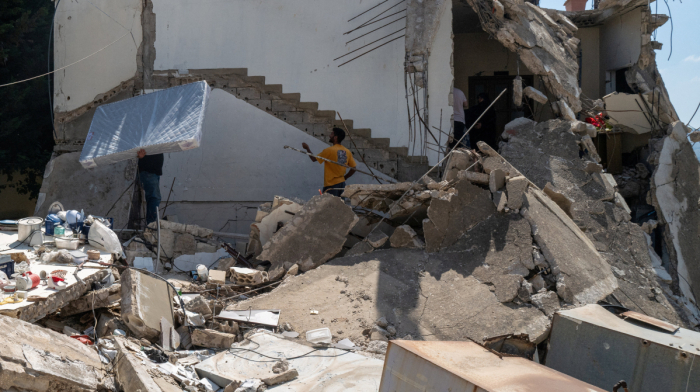
At least 235 people have been confirmed dead one day after two powerful earthquakes struck Venezuela. Hundreds of people are believed to be trapped un...
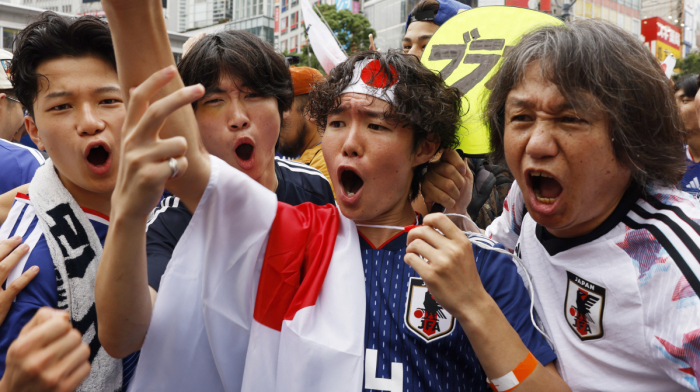
Another busy day is underway at the FIFA World Cup as Ivory Coast reached the knockouts for the first time. Ecuador stunned Germany, the Netherlands t...
At least 188 people have been killed and 1,520 injured after powerful earthquakes struck Venezuela, Acting President Delcy Rodríguez said. The quakes...
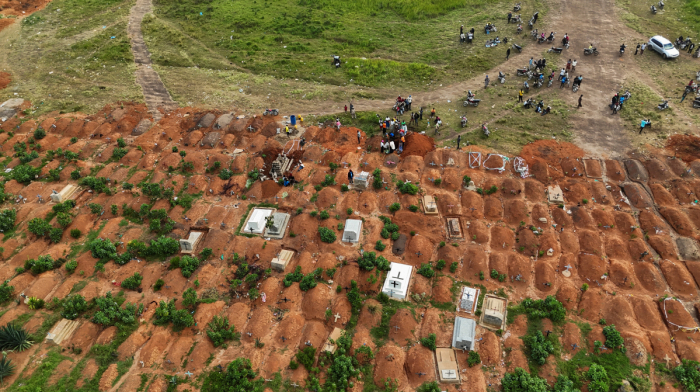
More than 30 people have died since early May in a displacement camp in northeastern Democratic Republic of the Congo, raising fears that Ebola may be spreading undetected amid severe overcrowding and poor sanitation, according to camp officials and aid workers.
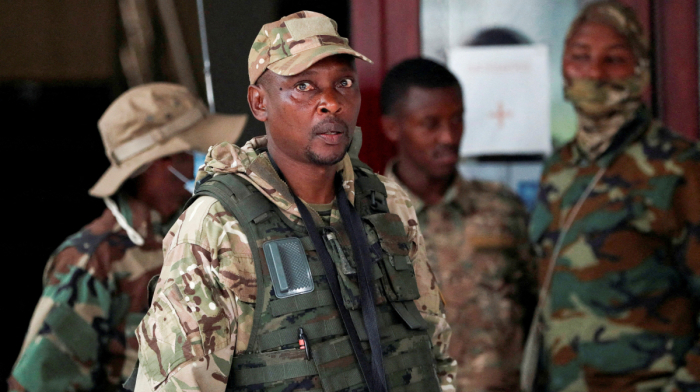
The military spokesperson for the M23 rebel movement, Willy Ngoma, was killed in an army drone strike in eastern Democratic Republic of Congo early on Tuesday (24 February), according to a regional diplomat, a senior rebel figure and a Western adviser to the government.
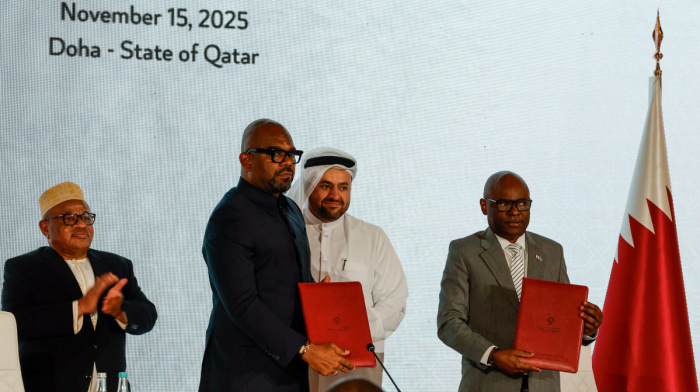
The Democratic Republic of Congo and the M23 rebel group signed a framework agreement on Saturday (15 November) for a peace deal aimed at ending the ongoing conflict in eastern DR Congo, which has resulted in thousands of deaths and the displacement of hundreds of thousands this year.
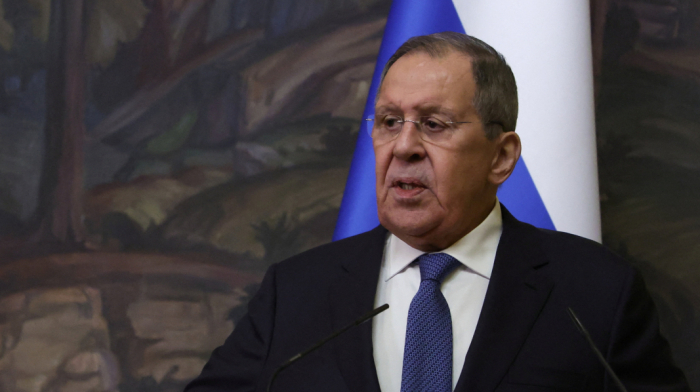
Russia has called for clarification on whether U.S. President Donald Trump has changed his position on the war in Ukraine following remarks made at the recent G7 summit in Evian-les-Bains.
As Western Europe battles a deadly heatwave that has shattered temperature records, disrupted transport and power supplies, and forced the closure of schools and cultural landmarks, attention is turning to whether El Niño is playing a role in the extreme conditions.
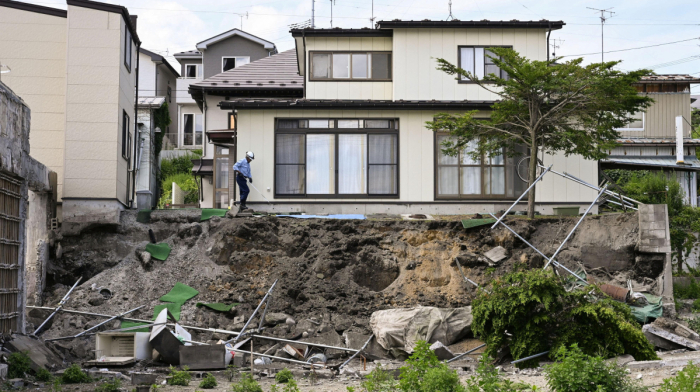
An earthquake of magnitude 6.9 struck Japan's northeast coast on Thursday, but no tsunami warning was issued, no injuries were immediately reported and no irregularities were found at nuclear facilities, the authorities said.
Israel's defence minister said on Wednesday Israeli troops will not withdraw from southern Lebanon, highlighting a hurdle to Iran-U.S. peace talks, as the top U.S. diplomat tours the Middle East to win over allies sceptical about a proposed deal.
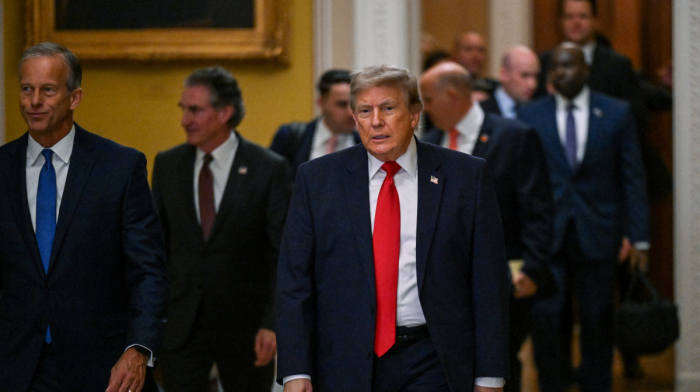
The U.S. Senate rejected a resolution on Wednesday that would have directed President Donald Trump to remove U.S. forces from hostilities against Iran unless Congress formally authorised military action.
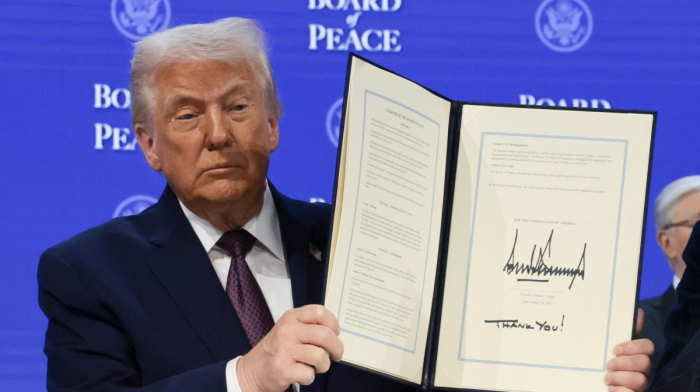
In a special edition of Context, Orkhan Amashov reports from Washington on the inaugural meeting of the Board of Peace, examining plans for Gaza’s reconstruction, a proposed stabilisation force, and the wider diplomatic impact of the U.S.-led initiative.
In today’s Prime Time, we covered the following conversations: Azerbaijan has shipped petroleum products to Armenia by rail for the first time in decades, marking a significant step toward economic cooperation and regional integration in the South Caucasus.










What is your opinion on this topic?
Leave the first comment