A high-level ministerial meeting between Syria and Israel is scheduled to take place on Thursday in Baku, Azerbaijan, to address rising security concerns in southern Syria, a diplomat told AFP, and according to The Times of Israel.
Syrian Foreign Minister Asaad al-Shaibani and Israeli Minister of Strategic Affairs Ron Dermer are expected to attend the talks, which follow a similar meeting held in Paris last week. The Baku meeting will also come after Shaibani’s unprecedented visit to Moscow on the same day.
According to the diplomat, who requested anonymity due to the sensitivity of the matter, the meeting will focus on “the security situation, particularly in southern Syria,” an area that has seen escalating violence in recent months.
Tensions have surged in Syria’s southern Sweida province, a region with a significant Druze population. Deadly clashes broke out earlier this month between local Druze groups and Bedouin tribes, eventually drawing in Syrian government forces and prompting Israeli military involvement. Israel later stated that its intervention was aimed at protecting the Druze population. The fighting reportedly resulted in hundreds of casualties.
In the wake of the violence, Israel carried out targeted strikes on the Syrian presidential palace and army headquarters in Damascus. A ceasefire between the two sides was announced overnight on 18 July by the United States, a key ally of Israel that has also expressed support for Syria’s current authorities.
Russia, which was a principal backer of former President Bashar al-Assad before his ousting in December, has recently hosted Syrian officials, with Shaibani’s trip to Moscow on Thursday seen as a further shift in the country’s foreign engagements.
Israel and Syria have technically remained at war since 1948, and while direct diplomatic relations do not exist, discreet contacts have taken place in recent years. According to diplomatic sources, Shaibani and Dermer previously met in Baku on 12 July, before the latest wave of violence erupted.
Thursday’s meeting in Azerbaijan is part of a series of quiet but significant diplomatic efforts aimed at reducing regional tensions and seeking common ground on security matters amid shifting geopolitical alignments in the Middle East.
These talks highlight Azerbaijan's growing strategic location for hosting and facilitating discussions on conflicts in the Middle East.
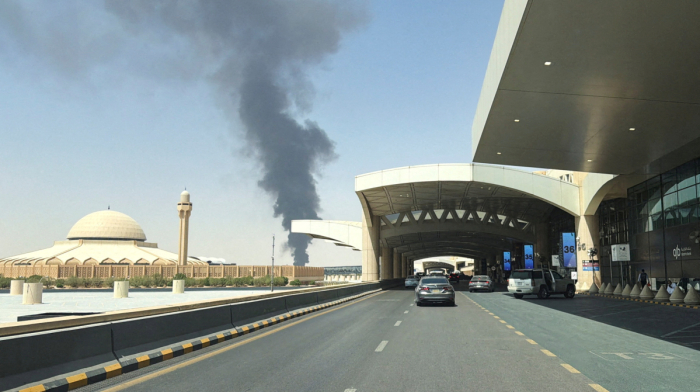
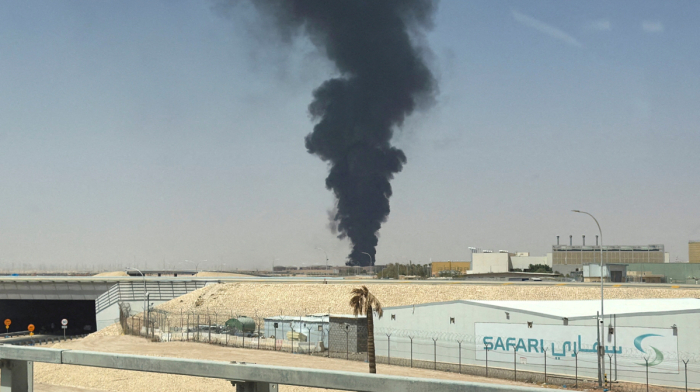
The explosion at King Khalid International Airport in Riyadh on Saturday afternoon killed at least 12 people and injured a further 309, according to Saudi Arabia’s Civil Aviation Authority. The airport remains closed until further notice.
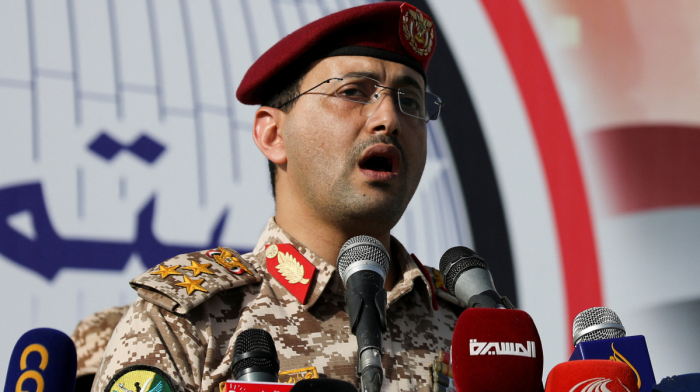
One person was killed and nearly a dozen hurt in a new attack Riyadh's international airport on Sunday, Saudi authorities reported, a day after a strike claimed by Yemen's Houthis that killed 13 people and wounded more than 300.
Yemen's Houthis renewed warning to airlines, airport workers, and travellers against using Saudi airports, saying the warning should be taken seriously and that the kingdom “bore responsibility for failed interceptions”, a day after an attack on Riyadh's international airport that killed 12 people.
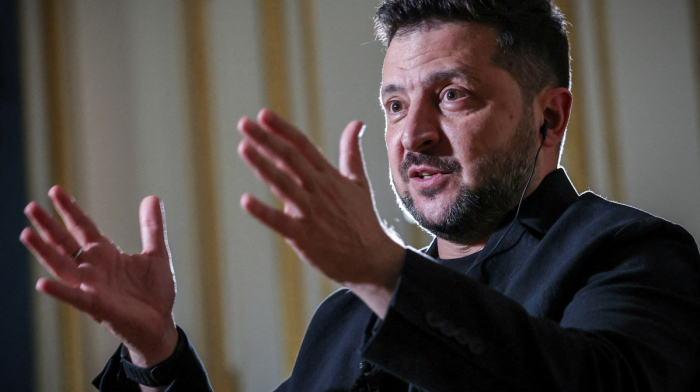
Ukraine is ready to stop attacks on Russian oil refineries if Moscow also halts strikes on Ukrainian energy infrastructure, President Volodymyr Zelenskyy said on Sunday.
The Kremlin on Monday rejected a 60-day ceasefire idea proposed by Ukrainian President Volodymyr Zelenskyy to allow his country to hold presidential elections, saying it wanted an overall peace deal instead.
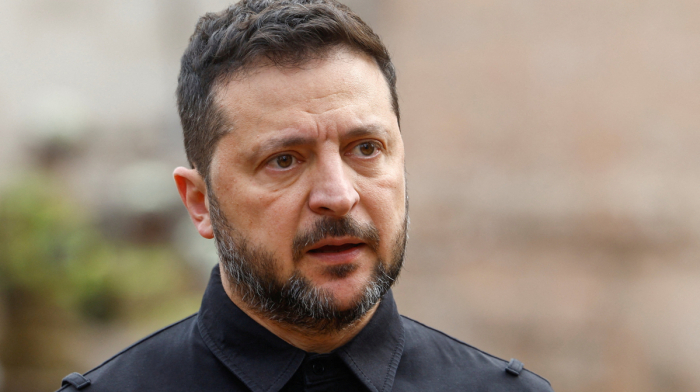
Ukrainian President Volodymyr Zelenskyy said on Monday that Ukraine is ready to respect the energy ceasefire announced by U.S. President Donald Trump, but only if Russia does the same, saying Moscow has already violated the agreement.
China has announced sanctions against Belize’s foreign minister and Paraguay’s communications minister over their countries’ diplomatic ties with Taiwan. The move comes as Beijing continues to pressure the few remaining nations that maintain formal diplomatic relations with Taipei.
Download the AnewZ app
You can download the AnewZ application from Play Store and the App Store.














What is your opinion on this topic?
Leave the first comment