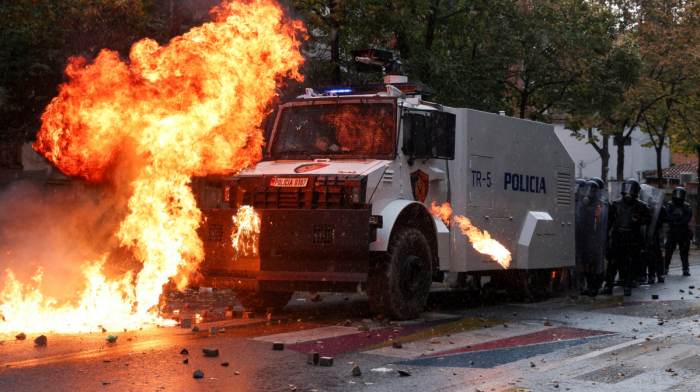
Why are Gen Z protesters taking to Germany's streets?
Gen Z protests swept 34 German cities on Saturday (31 October) over education, living costs and military service proposals. Violence erupted in Fra...
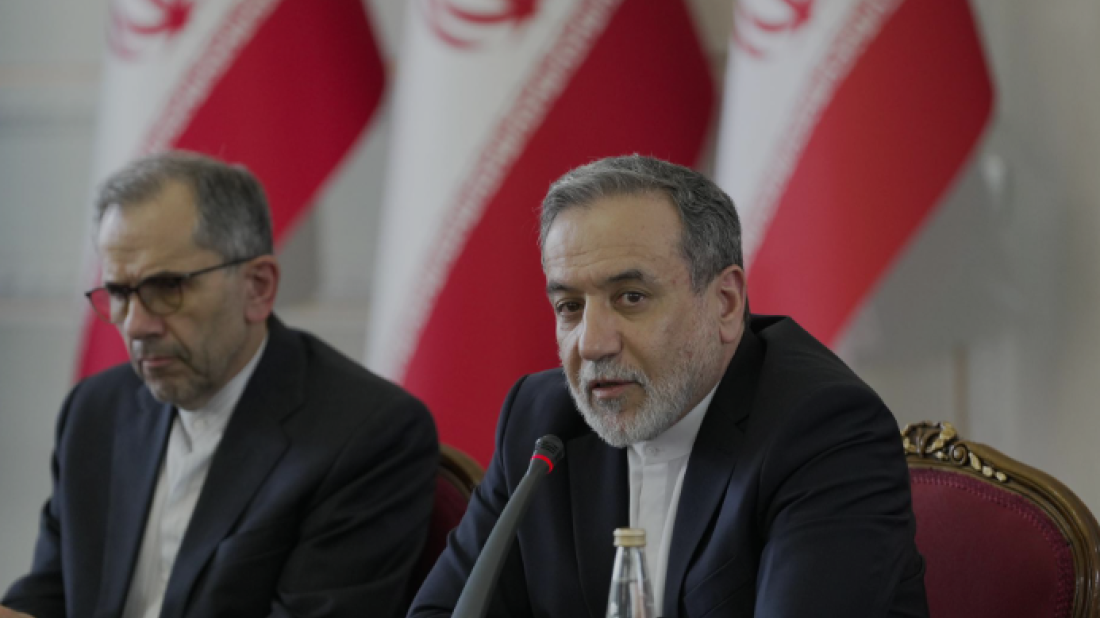
Iran and the E3, Britain, France, and Germany, may hold nuclear talks next week, Tasnim reported, amid European warnings that failure to resume negotiations could trigger renewed international sanctions.
“The principle of holding talks has been agreed upon, but discussions are ongoing regarding the timing and location. The host country for next week’s meeting has not yet been finalised,” Tasnim quoted a source familiar with the matter as saying.
News of the possible talks follows the first official call between Iranian Foreign Minister Abbas Araqchi and the foreign ministers of the so-called E3 — Britain, France, and Germany — as well as the European Union’s foreign policy chief, since last month’s Israeli and U.S. strikes on Iranian nuclear sites.
The E3, together with China and Russia, remain signatories to the 2015 nuclear agreement with Iran, which saw sanctions lifted in exchange for limits on Iran’s nuclear activities. The United States withdrew from the deal in 2018.
The E3 nations have warned that unless nuclear negotiations resume and yield concrete results, they will trigger the “snapback mechanism” to reimpose United Nations. sanctions on Iran by the end of August.
“If the EU and E3 want to play a constructive role, they must act responsibly and abandon outdated strategies of threats and pressure, including the so-called ‘snapback’, which they have no moral or legal basis to pursue,” Araqchi said earlier this week.
The snapback clause allows for the reactivation of U.N. sanctions prior to the expiration of the Security Council resolution enshrining the nuclear deal, set for 18 October.
Before the recent Israel-Iran conflict, Tehran and Washington held five rounds of indirect nuclear talks mediated by Oman. However, key disagreements remained — particularly over Iran’s uranium enrichment levels, which Western powers seek to reduce to eliminate any risk of weaponisation.
Iran insists its nuclear programme is purely for civilian and peaceful purposes.
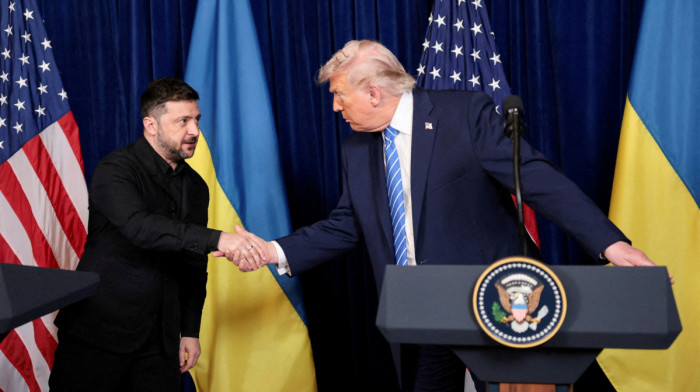
The U.S. has approved the sale of 500 Patriot PAC-3 missiles to Ukraine in a deal worth an estimated $2.1 billion, but Kyiv could face years of delays before receiving the weapons it urgently needs to defend against intensifying Russian attacks.
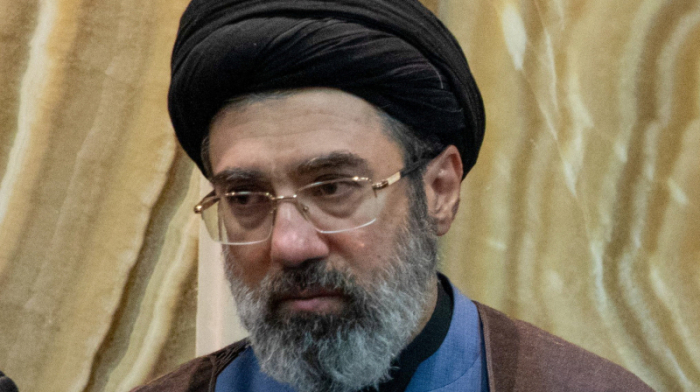
Iranian Supreme Leader Ayatollah Khamenei has ordered Iran's armed forces to respond to any threat immediately and without geographical limits in statements posted to social media platforms on Saturday (31 October).
Demonstrators carrying Iranian flags and placards supporting the hijab gathered outside the Azerbaijani Embassy in London.
A Chinese-made AI chip has matched Nvidia’s H200 in tests conducted by its developer, marking a potential breakthrough in China’s efforts to reduce its dependence on foreign technology.
A hacking group linked to North Korea is widely believed to be behind the theft of $6.3 billion from cryptocurrency giant Binance, a cyberattack that experts describe as the largest cryptocurrency heist on record.
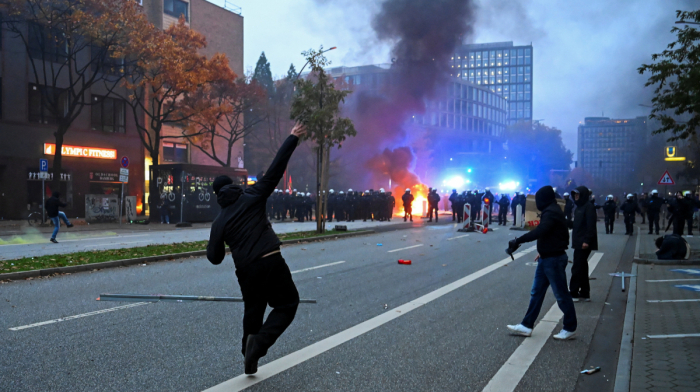
Gen Z protests swept 34 German cities on Saturday (31 October) over education, living costs and military service proposals. Violence erupted in Frankfurt, where shops were looted and police reported Molotov cocktail attacks.
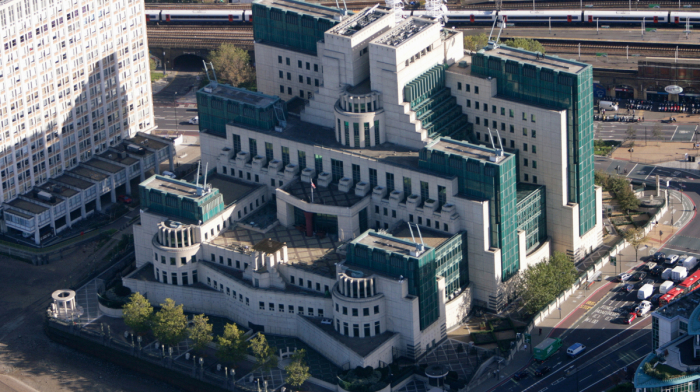
Iran designated Britain's Royal Navy and Royal Air Force as terrorist organisations on Sunday, (1 November), and classified the country's foreign intelligence agency, MI6, as a hostile group, according to a statement from the Iranian Foreign Ministry.
Thousands protested in Albania's capital, Tirana, on Saturday (31 October), demanding Prime Minister Edi Rama's resignation over perceived corruption allegations and dissatisfaction with the government over a lack of jobs and poor education standards.
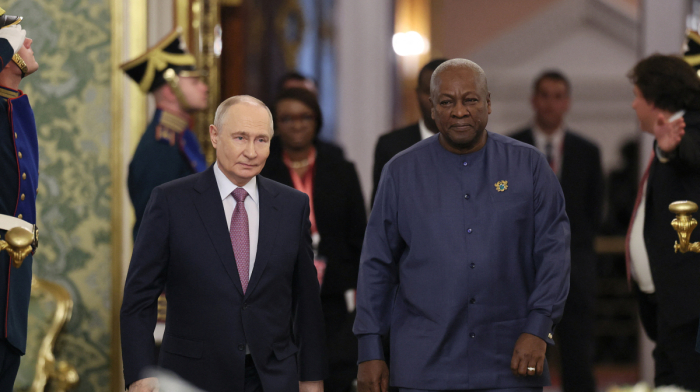
Russia has agreed to work with Ghana on developing a 2,000-megawatt nuclear power plant following talks at the Russia-Africa Summit in Moscow, Ghanaian Foreign Minister Samuel Okudzeto Ablakwa said on Saturday.
Foreign ministers from the U.S., Japan, Australia and India raised concerns over export restrictions and economic coercion at a Quad meeting in Atlanta, U.S., on Saturday, 31 October 2026, according to their joint statement.
You can download the AnewZ application from Play Store and the App Store.
What is your opinion on this topic?
Leave the first comment