live Qatar shoots down Iranian jets: All the latest news on the Iran strikes
The Middle East crisis intensifies after the deadly attack on the compound of the Supreme Leader of Iran Ali Khamenei on Saturday t...
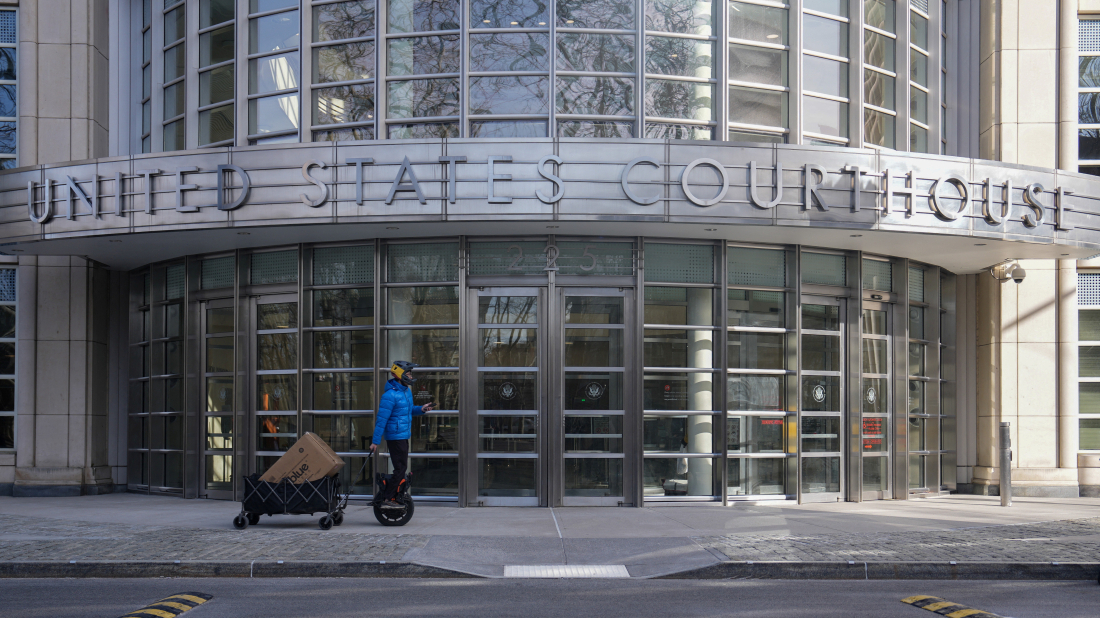
A British man accused of running a $100 million fake wine loan scam pleaded not guilty in New York, denying claims that he sold investors a vintage collection that didn’t exist. The high-stakes fraud allegedly duped victims with promises of rare bottles and big returns.
James Wellesley, 58, also known as Andrew Fuller, pleaded not guilty Friday in Brooklyn to wire fraud, wire fraud conspiracy, and money laundering conspiracy charges.
He was ordered held without bail at Brooklyn’s Metropolitan Detention Center after fighting extradition from Britain.
Wellesley and co-defendant Stephen Burton, 60, also British and held in the same jail, face up to 20 years in prison if convicted.
Prosecutors say that between June 2017 and February 2019, the men persuaded victims to invest $99.4 million in loans brokered by their company Bordeaux Cellars, claiming the loans were secured by an inventory of over 25,000 rare wine bottles, including Domaine de la Romanee-Conti and Chateau Lafleur.
However, Bordeaux Cellars controlled far fewer bottles than claimed, only 217 in March 2018, prosecutors said.
The defendants allegedly used new loan proceeds to pay interest to some investors and for personal expenses.
The scheme unraveled when interest payments stopped.
The case is U.S. v Burton et al, U.S. District Court, Eastern District of New York, No. 22-cr-00079.

Follow the latest developments and global reaction after the U.S. and Israel launched “major combat operations” in Iran, prompting retaliation from Tehran.
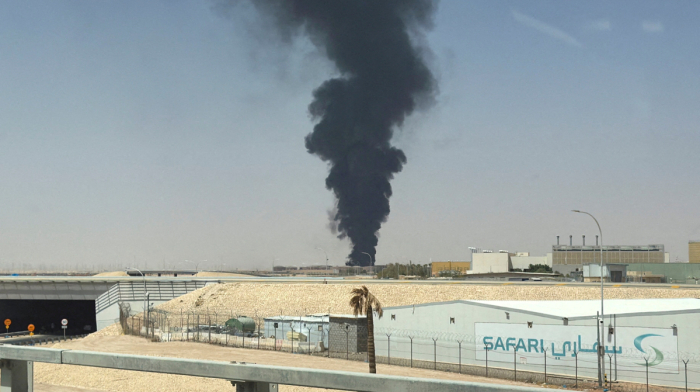
Saudi Arabia’s state oil giant Saudi Aramco closed its Ras Tanura refinery on Monday following an Iranian drone strike, an industry source told Reuters as Tehran retaliated across the Gulf after a U.S.-Israeli attack on Iranian targets over the weekend.
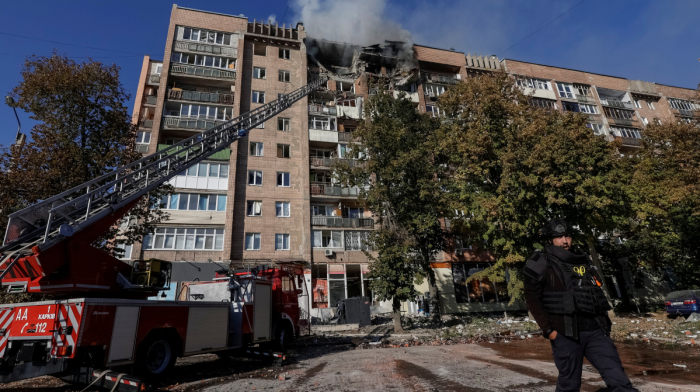
The Kremlin is utilising the recent United States and Israeli military strikes on Iran to validate its ongoing war in Ukraine. Russian officials are pointing to the escalation in the Middle East as evidence that Western nations do not adhere to international rules.
The Middle East crisis intensifies after the deadly attack on the compound of the Supreme Leader of Iran Ali Khamenei on Saturday that killed him, other family members and senior figures. Iran has launched retaliatory strikes on U.S. targets in the region.
Ayatollah Alireza Arafi has moved into a pivotal constitutional role following the death of Supreme Leader Ayatollah Ali Khamenei, becoming the clerical member of Iran’s temporary leadership council under Article 111 of the Constitution of the Islamic Republic of Iran.
The U.S.-Iran crisis has entered its third day, with further strikes reported across the Middle East and the death toll rising. Oil prices have surged to levels last seen during the Covid-19 pandemic, raising fears of economic disruption and higher prices worldwide.
The UK said it's allowing the U.S. to use its bases for defensive strikes against Iran amid escalating missile attacks, after a suspected drone strike hit a British airbase in southern Cyprus, causing limited damage.
The Kremlin is utilising the recent United States and Israeli military strikes on Iran to validate its ongoing war in Ukraine. Russian officials are pointing to the escalation in the Middle East as evidence that Western nations do not adhere to international rules.
European Union stands with its member states in the face of any threat, EU Commission President Ursula von der Leyen said in response to the drone strike that hit Britain's Royal Air Force base of Akrotiri in southern Cyprus overnight.
Start your day informed with AnewZ Morning Brief. Here are the top news stories for the 27th of February, covering the latest developments you need to know.
You can download the AnewZ application from Play Store and the App Store.
What is your opinion on this topic?
Leave the first comment