U.S. President Donald Trump on Wednesday ordered an immediate halt to all trade with Spain, dramatically escalating a dispute over defence spending and Madrid's stance during the conflict with Iran.
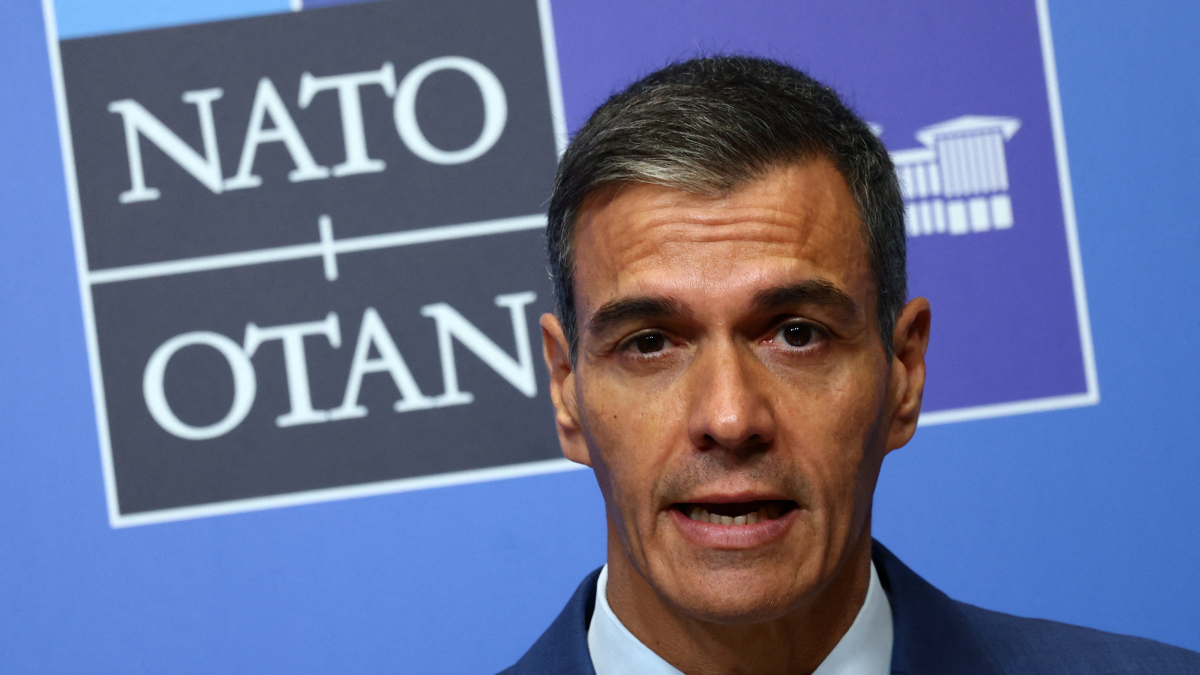
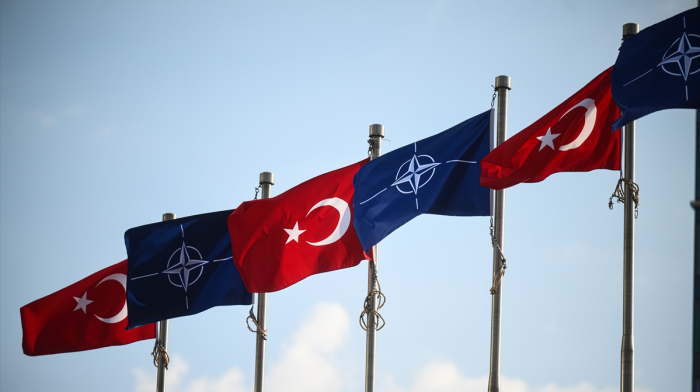
The announcement came during the NATO summit in Ankara, where alliance leaders had sought to project unity amid growing global security challenges. Instead, Trump renewed criticism of Spain, accusing the country of failing to meet NATO's new defence spending commitments and refusing to support U.S. military operations during the Iran war.
"I don't want anything to do with Spain. Cut off all trade with Spain, please, including visits, OK?" Trump said, directing Treasury Secretary Scott Bessent to implement the measure.
Tensions over NATO spending
At the centre of the dispute is Spain's refusal to commit to NATO's new target of spending 5% of gross domestic product on defence and security.
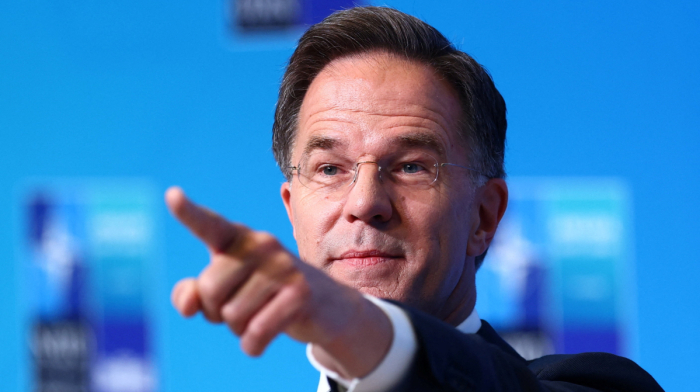
During a discussion with NATO Secretary General Mark Rutte, Trump singled out Spain as an outlier among alliance members.
"Spain doesn't agree to anything, and you shouldn't carry them," Trump said.
Rutte sought to defuse the situation, noting that Spain had significantly increased defence spending in recent years and had reached the alliance's previous 2% target.
However, he acknowledged that disagreements over future spending levels remained unresolved.
This is the second time Trump has threatened economic consequences against Spain over defence policy. In March, he instructed officials to halt trade with the country, but no restrictions were ultimately introduced and commercial ties continued as normal.
U.S. considers trade restrictions
Following Trump's remarks, a U.S. official told Reuters that the Treasury Department would work with the Commerce Department and the Office of the U.S. Trade Representative to prepare options for sanctions or restrictions targeting Spanish products.
According to the official, Trump will be presented with a "menu" of Spanish goods that could face embargoes in the coming days.
Trade experts say the administration could potentially invoke emergency economic powers to impose a full or partial embargo on Spanish imports, though such a move would likely face legal and diplomatic scrutiny.
The proposal also raises questions because trade policy with European countries is generally handled through the European Union rather than individual member states.
The dispute extends beyond defence spending.
Trump has repeatedly expressed frustration with Spanish Prime Minister Pedro Sanchez after Spain declined to allow U.S. forces access to Spanish airspace and military bases during operations linked to the Iran conflict.
The disagreement has become one of the most significant points of tension between Washington and Madrid in recent years.
Despite Trump's comments, Sanchez sought to downplay the confrontation.
Speaking after the summit, the Spanish leader described his conversation with Trump as "very cordial" and said the two discussed subjects including the upcoming FIFA World Cup and golf.
He reiterated that Spain remains a dependable NATO ally.
Sanchez defends Spain's record
Sanchez argued that Spain has substantially increased military spending and continues to contribute to alliance operations.
He announced a new deployment of Spanish troops to Finland as part of NATO's Arctic Sentry mission and insisted Spain is meeting its obligations.
"The facts are the facts," Sanchez said.
He also highlighted Spain's strong economic growth, which he said provides additional room for future defence investment.
Spanish officials further noted that the country maintains close military cooperation with the United States through two major joint-use bases in southern Spain that support naval and air operations.
They said they had received no indication that Washington was considering reducing its military presence at either facility.
Economic ties remain significant
Despite Trump's threats, economic links between the United States and Spain remain substantial.
Spain exports products including olive oil, wine, steel, chemicals and automotive components to the U.S. market. However, analysts note that Spain is less dependent on U.S. trade than some of its European counterparts.
Spain's government also pointed out that the country runs a trade deficit with the United States and that trade policy is governed by European Union rules rather than bilateral arrangements.
Major American investors have continued to express confidence in the Spanish economy.
BlackRock recently described Spain as its preferred destination for equity investment due to economic growth that has outperformed much of the developed world. The asset management giant holds roughly €104 billion in Spanish assets and has identified the country as a key focus for investment over the coming months.
While it remains unclear whether Trump's latest threat will result in concrete trade restrictions, the dispute has exposed growing political tensions between two long-standing NATO allies at a time when the alliance is seeking to demonstrate unity on defence and security issues.













What is your opinion on this topic?
Leave the first comment