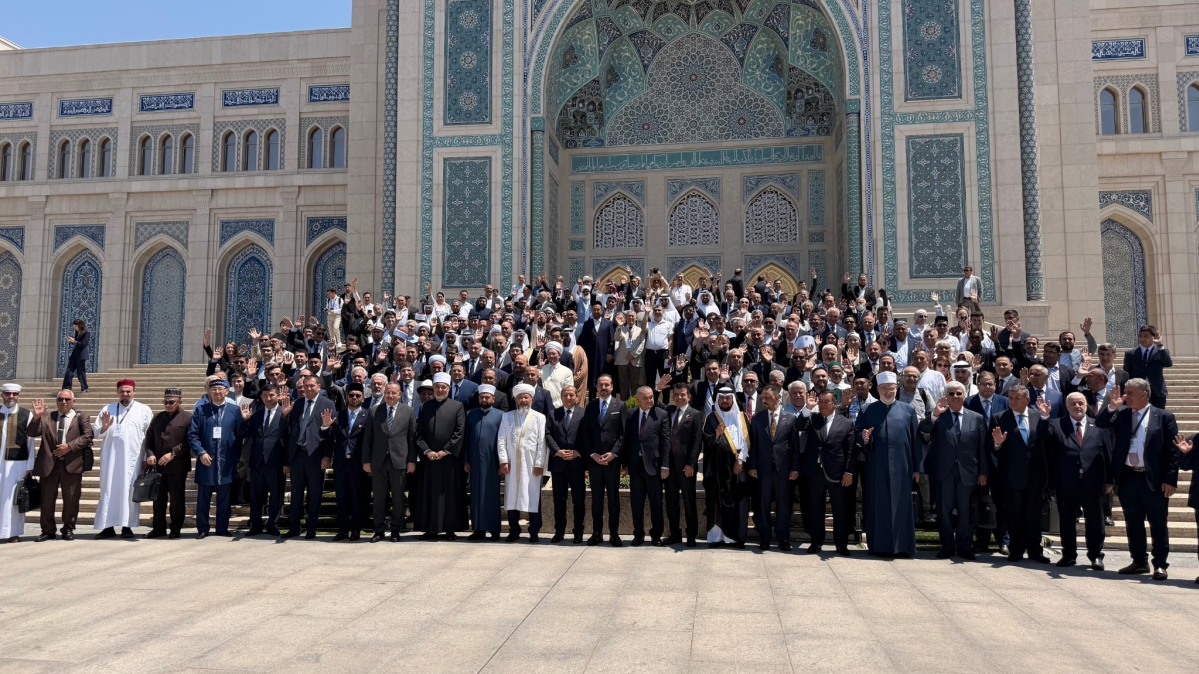
Over 300 delegates from more than 50 countries have gathered for a landmark forum in Uzbekistan.
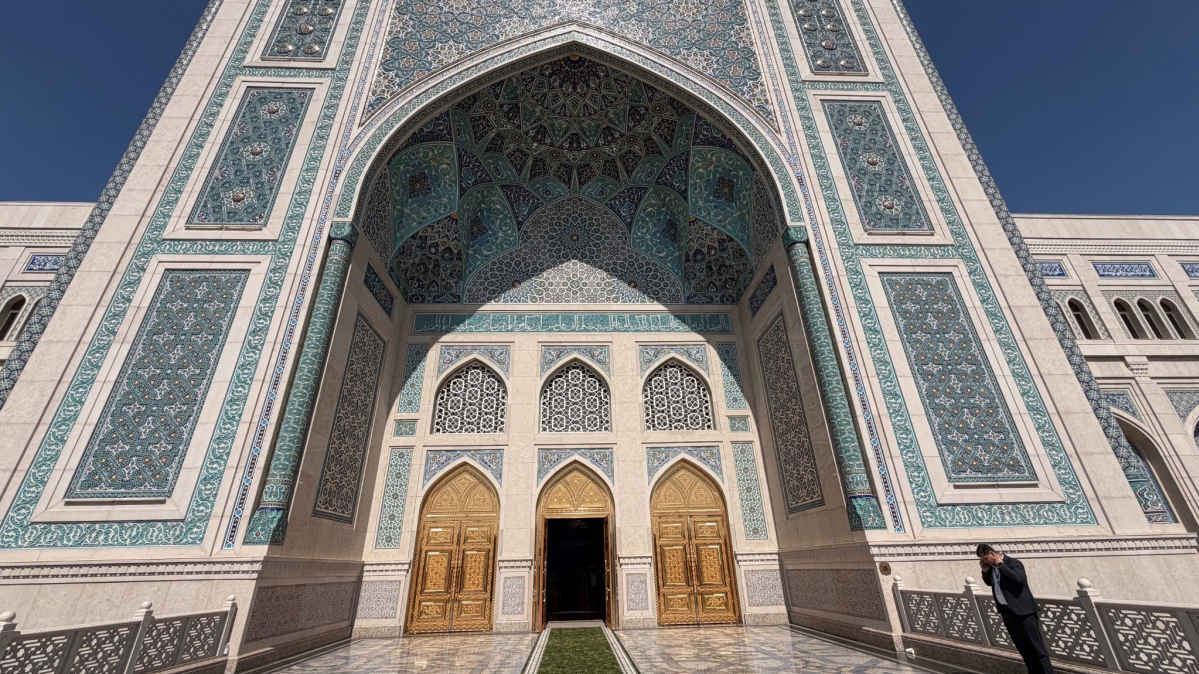
The scholars, religious leaders, ministers and policymakers are in Uzbekistan for the first International Forum on Islamic Civilization, a five-day event aimed at strengthening international cooperation in preserving Islamic heritage and promoting the values of peace, tolerance and enlightenment.
Held across Tashkent, Samarkand and Termez, the forum brings together representatives of leading Islamic organisations, including ICESCO, the Muslim World League and prominent research institutions, to discuss education, manuscript preservation, scientific cooperation and the digital future of Islamic heritage.
Reviving a historic centre of Islamic scholarship
Islam first arrived in what is now Uzbekistan in the 8th century and gradually became deeply intertwined with the region's identity through trade, scholarship and cultural exchange.
During the Islamic Golden Age, cities including Bukhara, Samarkand and Termez emerged as leading centres of science, theology and philosophy, producing renowned scholars such as Imam al-Bukhari and Abu Ali ibn Sina (Avicenna), whose works influenced both the Islamic world and medieval Europe.
Sufi traditions later helped spread Islamic learning and values across the region, while the architectural and cultural legacy of rulers such as Amir Timur further cemented Uzbekistan's place in Islamic civilisation.
Although modern Uzbekistan has been a secular republic since gaining independence in 1991, preserving and promoting its rich scholarly and cultural heritage remains central to the country's identity and its engagement with the wider Muslim world. It is now seeking to preserve that intellectual legacy by restoring historic sites, digitising rare manuscripts and expanding international academic cooperation.
International cooperation at the centre of discussions
A key theme throughout the forum is strengthening collaboration between countries and institutions to preserve Islamic civilisation for future generations.
ICESCO Director-General Salim AlMalik said the gathering is expected to culminate in the adoption of the Tashkent Declaration, which will outline new initiatives for international cooperation in research, education and the preservation of Islamic heritage.
The declaration is also expected to pave the way for new partnerships between research centres, museums and educational institutions across the Islamic world.
Knowledge as a bridge between nations
The importance of educational exchange was further highlighted by Talgat Tadzhuddin, Chairman of the Central Spiritual Administration of Muslims in Russia.
"Abu Ali ibn Sina was Europe’s teacher for centuries. Today we need to restore these traditions by exchanging teachers, sending students abroad and strengthening cooperation between our countries. That is how people can come together once again."
His remarks reflected one of the forum's central messages: that shared knowledge and education remain powerful tools for fostering dialogue and mutual understanding.
Innovation meets centuries-old heritage
Alongside policy discussions, participants are unveiling several major scientific and cultural initiatives designed to make Islamic heritage more accessible.
These include the Scientific Atlas of Islamic Civilization, an AI-powered system capable of reading centuries-old Arabic manuscripts, digital museum projects, and new publications including Sahih al-Bukhari - The Book of the Ummah, The Highest Point of Brotherhood and Alliance, and Eternal Friendship, Scholarly Cooperation, Enlightened Future: The Path of IRCICA and Uzbekistan.
The forum is also showcasing projects focused on manuscript digitisation, the repatriation of cultural artefacts and the application of modern technologies to historical research.
Looking ahead
The forum is expected to conclude with the adoption of the Tashkent Declaration, approval of a roadmap for the development of Uzbekistan's Centre for Islamic Civilization through 2030, and the signing of several international agreements covering research, manuscript preservation and cultural exchange.
For Uzbekistan, the event represents another step towards positioning the country as a global platform for Islamic scholarship, seeking to preserve centuries of intellectual heritage while promoting dialogue, cooperation and the values of peace, tolerance and enlightenment.




















What is your opinion on this topic?
Leave the first comment