The Centre of Islamic Civilisation in Uzbekistan has been officially recognised by Guinness World Records as the world’s largest museum dedicated to Islamic civilisation.
The recognition was confirmed following a detailed verification process attended by adjudicator Şeyda Subaşı Gemici, alongside architects, designers and members of the scientific council.
“As an official Guinness World Records adjudicator, I can state that every corner of the museum and every exhibit possesses its own uniqueness and cultural value,” Gemici said, adding that the project met all required standards and left a strong impression due to its scale and depth.
Cultural vision and global positioning
The centre was initiated in 2017 under the leadership of Shavkat Mirziyoyev and completed in March 2026. It was conceived as a large-scale scientific, educational and cultural platform, combining historical heritage with modern technologies to showcase the contributions of Islamic civilisation.
Chief architect Abdukakhor Turdiev said the design reflects Uzbekistan’s rich cultural legacy while positioning the country as an active participant in global cultural dialogue. The project forms part of broader efforts to strengthen Uzbekistan’s international image through major cultural initiatives.
According to officials, the centre has already become one of the region’s most visited cultural sites, attracting up to 5,000 visitors daily, including both local and international guests.
Scale, architecture and facilities
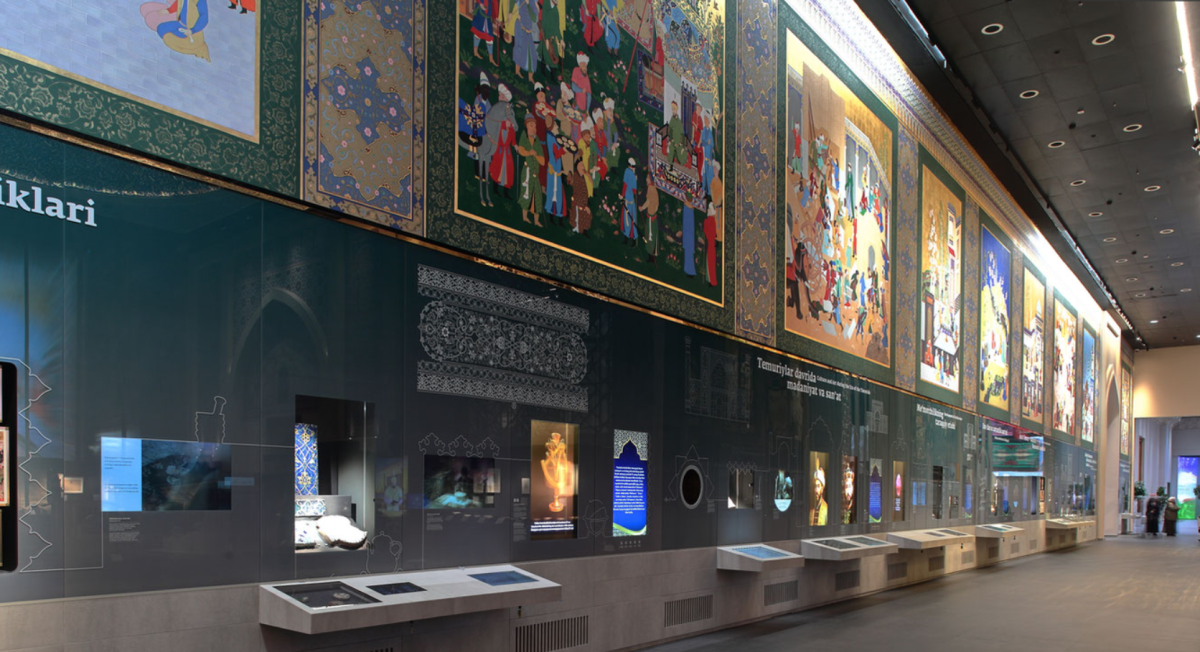
Built within the historic Hazrati Imam complex, the centre spans an area of 10 hectares. The three-storey building measures 161 metres in length and 118 metres in width, with a dome rising to 65 metres. Its total usable area exceeds 42,000 square metres.
The structure features four main portals, allowing access from all sides, with façades decorated with Qur’anic verses and hadiths reflecting values of enlightenment, tolerance and respect. Inside, the complex includes exhibition halls, a 550-seat conference hall, restoration laboratories, storage facilities for rare manuscripts, and a modern library housing more than 45,000 publications alongside extensive digital resources.
Unique artefacts and rare manuscripts
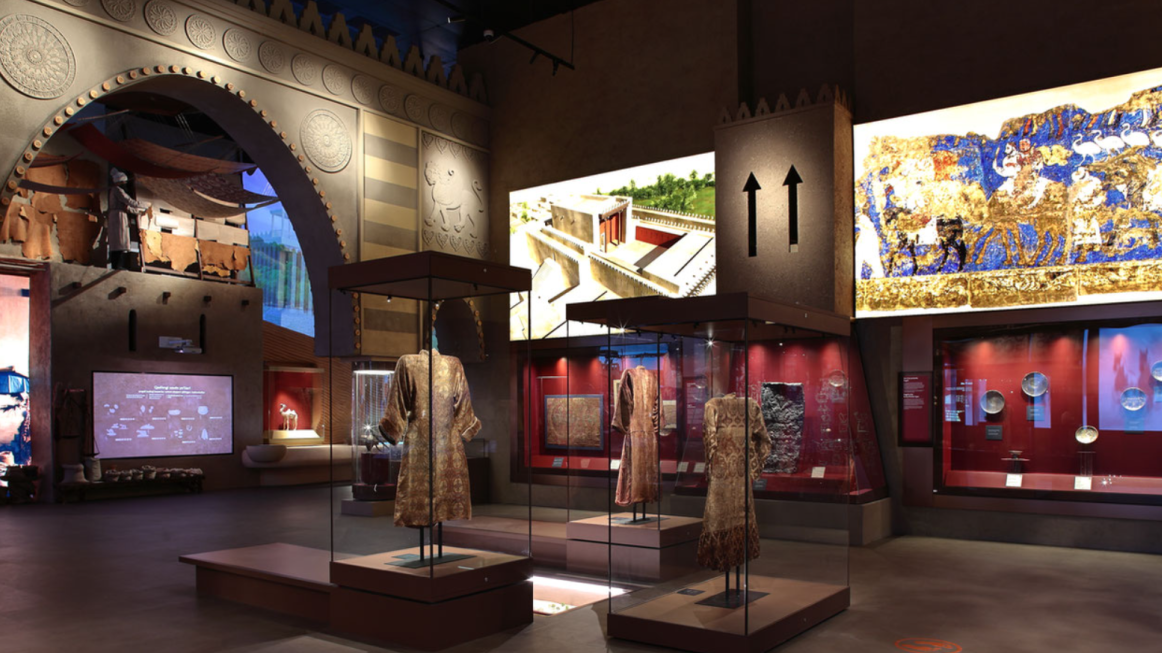
At the heart of the centre is the Qur’an Hall, which features more than 100 rare Qur’an manuscripts, including the famous Uthman Qur’an listed in UNESCO’s Memory of the World Register. The collection spans multiple historical periods, from the Samanid and Timurid eras to later Islamic dynasties.
Among the most notable exhibits are a rare 16th-century “Bozuband” Qur’an manuscript, a Seljuk-era manuscript with Persian translation, and artefacts acquired from international auctions, including historical jewellery, ceramics and items linked to the Amu Darya Treasure.
In total, the centre houses more than 2,000 historical sources and a vast collection of artefacts reflecting centuries of scientific, artistic and cultural development across the Islamic world.










What is your opinion on this topic?
Leave the first comment