Mexico confirms World Cup venues unchanged after cartel leader killing
Mexico’s President Claudia Sheinbaum on Thursday thanked FIFA and its president, Gianni Infantino, for reaffirming that the country’s 2026 World C...
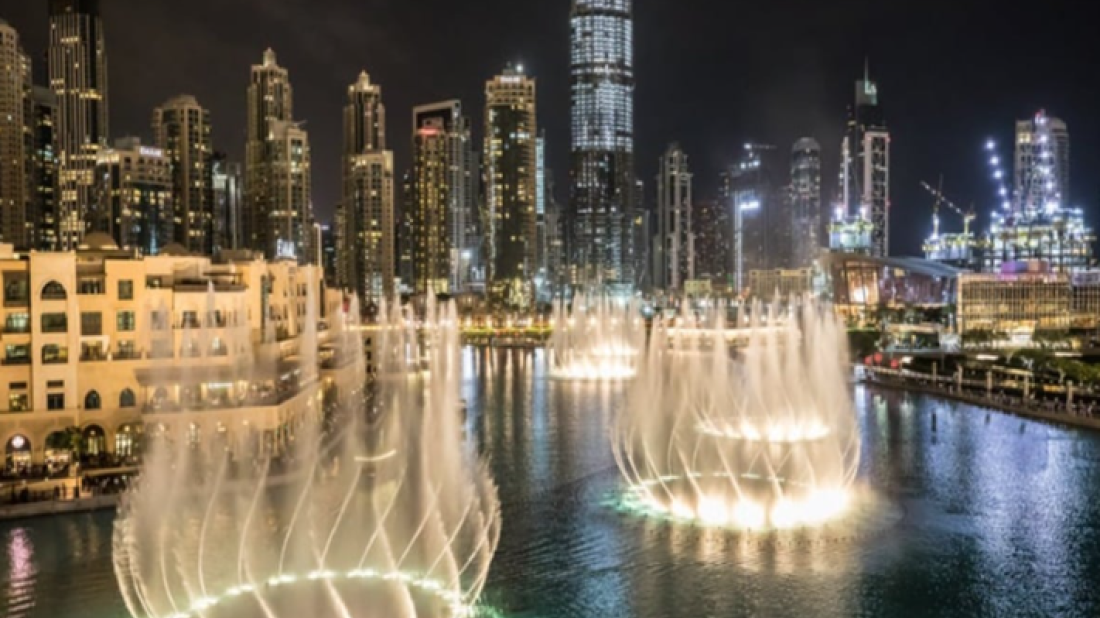
The Dubai Fountain, one of the emirate’s most famous attractions, has been closed for much of the year as it undergoes major upgrades.
Emaar, the developer behind the fountain, has now confirmed that it is expected to reopen in early October, with Wednesday, 1 October, marked as the target date. Recent progress shows the 30-acre Burj Khalifa Lake has been refilled, signalling that the attraction is close to returning.
The closure, which began on 19 April, saw the entire lake drained and the old floor replaced with a new reinforced concrete base to better protect and insulate the water. Visitors noticed in September that the lake had been refilled, indicating the work is on track.
When the fountain resumes its shows, guests can expect advanced technology, enhanced lighting and sound systems, and improved choreography. For the first time, robots will be used to move the water and control lighting, creating more spectacular performances.
In its original form, the fountain shot up to 22,000 gallons of water as high as 140 metres, accompanied by synchronised music and light.
During the closure, Emaar installed 500 metres of digital screens across the promenade to animate the area with visual content and keep footfall high. To support affected businesses, rents for 50 lake- and fountain-facing restaurants and cafés have been waived for four months between June and September.
The Dubai Fountain, set against the backdrop of the Burj Khalifa, is one of the city’s most visited attractions, and its upgraded return promises an even more dazzling experience for visitors.

A F-16 fighter jet of the Turkish Air Force crashed near a highway in western Türkiye early on Wednesday (25 February), killing its pilot, officials and media reports confirmed.
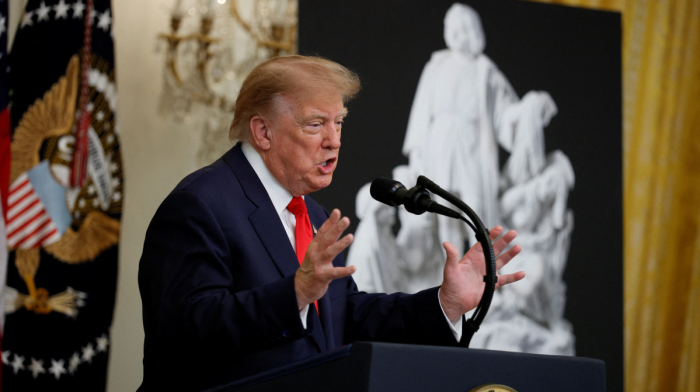
U.S. President Donald Trump declared a “golden age” for America in his first second-term State of the Union on Tuesday evening, delivering the longest-ever address at more than 90 minutes. Here are the main takeaways.
President Donald Trump delivered the first State of the Union address of his second term to Congress on Wednesday (25 February), declaring that America’s “golden age” had begun and that the country was experiencing a “turnaround for the ages.”
Start your day informed with AnewZ Morning Brief. Here are the top news stories for the 25th of February, covering the latest developments you need to know.
Peace-making has a habit of creating new enemies - especially when it reduces someone else’s leverage. As Azerbaijan and Armenia move toward a settlement architecture that no longer depends on Moscow as the indispensable broker, pressure has not vanished; it has shifted shape.
Several countries have begun pulling out diplomatic staff out of Iran and telling their citizens to leave or avoid travelling to parts of the Middle East, as tensions between Washington and Tehran continue to mount.
Chinese travellers made an estimated 362.58 million cross-regional passenger trips on Monday, the final day of the Spring Festival holiday, according to official data.
A powerful winter storm has brought large parts of the U.S. Northeast to a standstill, dumping more than 30 cms (a foot) of snow across several states and severely disrupting transport and daily life.
A powerful winter storm has struck the north-east United States, placing nearly 60 million people under weather warnings. States of emergency have been declared across multiple states and forcing a travel ban in New York City as heavy snow, fierce winds and coastal flooding batter the region.
Spain’s rail network faces a three-day shutdown this week as the Semaf union protests safety failures following fatal accidents in Adamuz and Catalonia.
You can download the AnewZ application from Play Store and the App Store.
What is your opinion on this topic?
Leave the first comment