live Iran closes Strait of Hormuz again over U.S. blockade, state media says- Saturday 18 April
Iran's Islamic Revolutionary Guards Corps (IRGC) said in a Saturday statement that the Strait of Hormuz has...
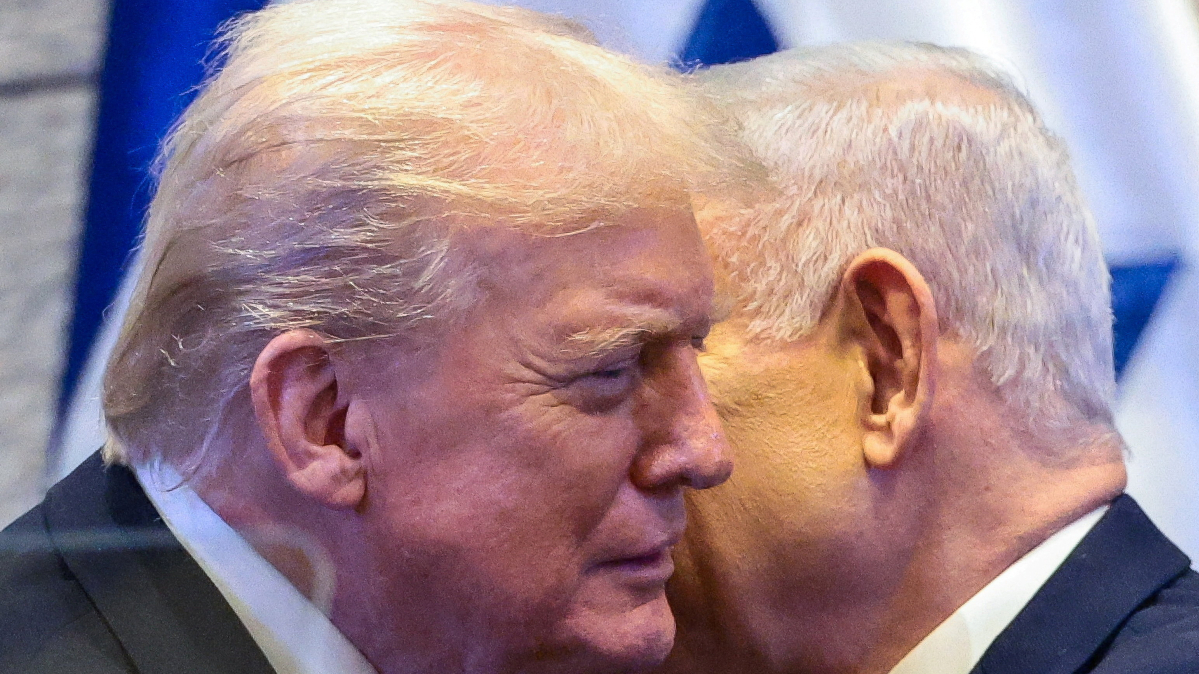
Israeli Prime Minister Benjamin Netanyahu is set to meet President Donald Trump on 29 December in Florida, where he is expected to present a package of military options regarding Iran, Israel’s public broadcaster KAN reported on Saturday.
According to KAN, citing sources who spoke to NBC News, Netanyahu will provide Trump with updated intelligence on Iran’s ballistic missile programme, which has become a growing focus for Israel alongside concerns over Tehran’s nuclear activities. The briefing will reportedly highlight Iran’s efforts to restore damaged missile production facilities and rehabilitate its air defence systems.
“The scenarios under discussion range from an Israeli unilateral strike, to obtaining limited U.S. backing, to carrying out a joint military operation — up to a direct U.S. move against targets inside Iran,” the broadcaster reported. Sources added that Israel estimates Iran could produce up to 3,000 ballistic missiles per month if current trends are left unchecked.
The meeting is also expected to cover Iran’s nuclear programme, including the rehabilitation of enrichment facilities, as well as Tehran-aligned groups’ funding and armament across the region. Former U.S. officials cited by KAN warned that any setbacks in implementing the Gaza ceasefire could influence Trump’s willingness to support new military measures against Iran.
Earlier this year, Israel conducted an operation against Tehran on 13 June, targeting military, nuclear and civilian sites, as well as senior commanders and nuclear scientists. Iran responded with missile and drone strikes, prompting the U.S. to bomb three Iranian nuclear sites. The 12-day conflict concluded under a U.S.-sponsored ceasefire that took effect on 24 June.

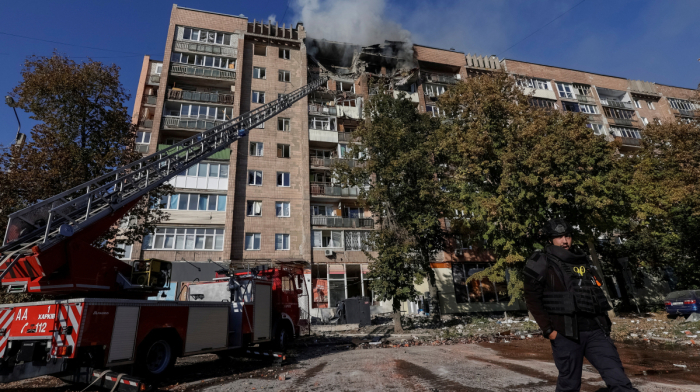
The past 24 hours of the Russia-Ukraine war have seen a drastic escalation in both aerial bombardment and frontline losses.
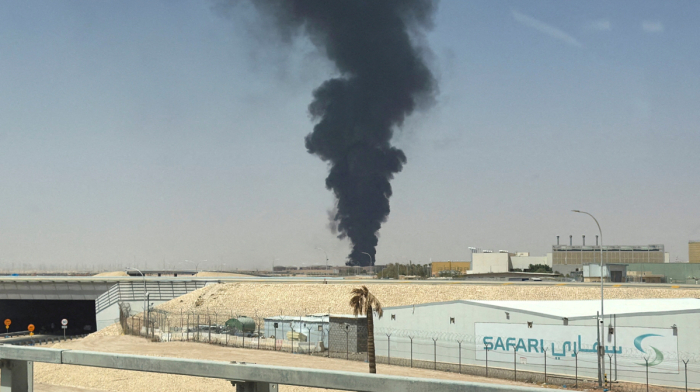
Iran reopened the Strait of Hormuz to commercial shipping on Friday (17 April) for the first time since the U.S. and Israel killed Iran's ex-Supreme Leader in air strikes, triggering the Middle East conflict, at the end of February. A U.S. blockade on Iranian ports, however, remains in force.
Russia published addresses of manufacturers allegedly producing drones or components for Ukraine on Wednesday (15 April), warning European countries against plans to step up UAV supplies to Kyiv.
Iran's Islamic Revolutionary Guards Corps (IRGC) said in a Saturday statement that the Strait of Hormuz has returned to its "previous state" under the control of its "armed forces," citing the ongoing U.S. blockade on Iranian ports.
Netflix shares fell sharply on Friday after the streaming group issued a weaker-than-expected outlook and said chairman and co-founder Reed Hastings will step down from the board.
The Trump administration extended a sanctions exemption on some Russian oil as prices continue to skyrocket in the wake of the U.S.- Israeli war against Iran on Friday (17 April).
Australia and Japan signed contracts on Saturday (18 April) launching their landmark A$10 billion ($7 billion) deal to supply Australia with warships, Tokyo's most consequential military sale since ending a military export ban in 2014.
Leaders from across Europe and beyond gathered in Paris on Friday for a summit aimed at managing the global impact of the Middle East conflict.
European leaders have set out plans for a coordinated defensive mission to restore freedom of navigation in the Strait of Hormuz, once security conditions allow, following talks involving more than 40 countries.
NeaNearly 900 Rohingya refugees were reported missing or dead in the Andaman Sea off Myanmar in 2025, making it the deadliest year on record, the United Nations Refugee Agency said on Friday.
You can download the AnewZ application from Play Store and the App Store.
What is your opinion on this topic?
Leave the first comment