live U.S., Iran reach preliminary peace deal, Friday signing expected
U.S. and Iranian officials said they had agreed on a framework to end their war, halt the U.S. blockade of Iran and reopen the Strait of Hormuz, a pre...
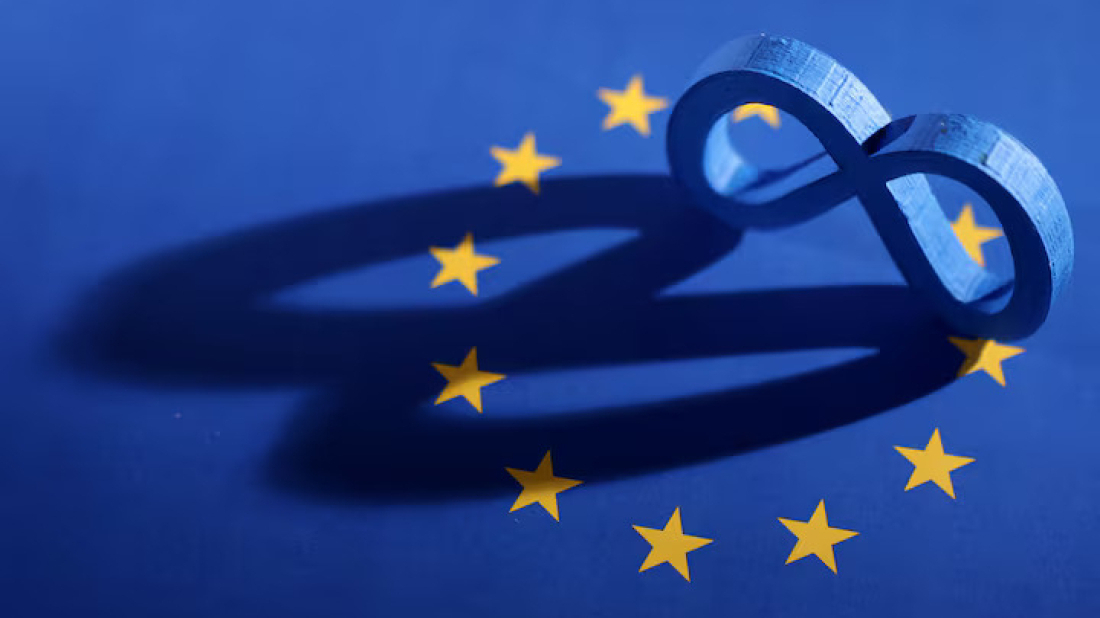
The EU is preparing to rule on Apple and Meta’s alleged breaches of the Digital Markets Act, potentially issuing fines as it seeks to curb Big Tech’s dominance and reinforce fair competition across the digital landscape.
The European Union is set to issue its long-awaited rulings on Apple and Meta Platforms in the coming weeks, as both tech giants face allegations of violating the bloc’s landmark Digital Markets Act (DMA). EU antitrust chief Teresa Ribera confirmed the timeline during a session with European Parliament lawmakers on Tuesday.
The DMA, which came into force to rein in Big Tech's market dominance, outlines a strict set of obligations aimed at ensuring fairer competition and more consumer choice. Investigations into Apple and Meta began in March 2024, examining whether the companies failed to comply with key provisions of the law.
Although the decisions were initially expected in March, Ribera cited delays, saying they would now be delivered shortly. Sources suggest Apple and Meta may face modest fines for their non-compliance.
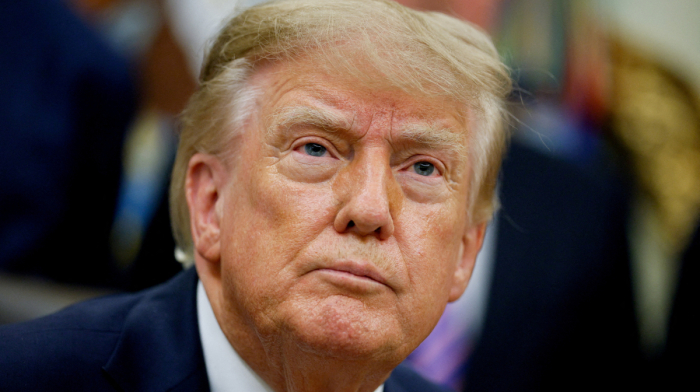
This development comes amid rising transatlantic tensions, with the EU responding to U.S. trade tariffs imposed under President Donald Trump’s administration. Some member states, including France, have called for stronger action against U.S.-based digital services.
As regulatory pressure mounts, the EU’s upcoming decisions may mark a significant step in enforcing digital competition laws and setting the tone for future oversight of global tech firms operating within the Union.

Details of a reported draft memorandum of understanding between the United States and Iran offer the clearest picture yet of how both sides plan to end months of conflict and move towards a longer-term settlement.
The U.S. and Iran say they have reached a deal to end their conflict, with an immediate ceasefire and reopening of the Strait of Hormuz after the lifting of the U.S. naval blockade. Talks will continue over the next 60 days to finalise the agreement
U.S. President Donald Trump has said a peace agreement with Iran is scheduled to be signed on Sunday in a post on social media, despite Tehran's Foreign Ministry spokesperson Esmaeil Baghaei saying no deal would be approved this weekend.
U.S. and Iranian officials said they had agreed on a framework to end their war, halt the U.S. blockade of Iran and reopen the Strait of Hormuz, a preliminary pact that sent oil prices falling but leaves the fate of Iran's nuclear program to further negotiations.
Switzerland on Sunday rejected a referendum proposal to cap its population at 10 million, a projection showed, as voters prioritised economic stability and the country's ties with the European Union over immigration concerns.
The Canadian government has introduced a digital safety bill that would ban children under the age of 16 from using social media, unless platforms meet specific safety standards.
NASA has named three American astronauts and one Italian astronaut to fly on its Artemis III mission, a major orbital test planned for late next year that will evaluate lunar landing vehicles developed by SpaceX and Blue Origin.
China will send an astronaut to its space station on Sunday for a one-year mission, the longest duration for the country so far. The mission will help study long-duration human physiology in space as China works toward a crewed Moon landing by 2030.
Anxiety over artificial intelligence is hardening among young workers as executives promote faster adoption and companies point to automation in fresh job cuts.
Hackers are increasingly using artificial intelligence to detect software vulnerabilities, reducing the time organisations have to respond to cyber threats, Verizon said in its annual data breach report.
You can download the AnewZ application from Play Store and the App Store.
What is your opinion on this topic?
Leave the first comment