Modern world: 'In order to have peace, you must be strong'
International law remains codified through treaties, charters, and resolutions, but enforcement depends largely on political will. When major powers c...
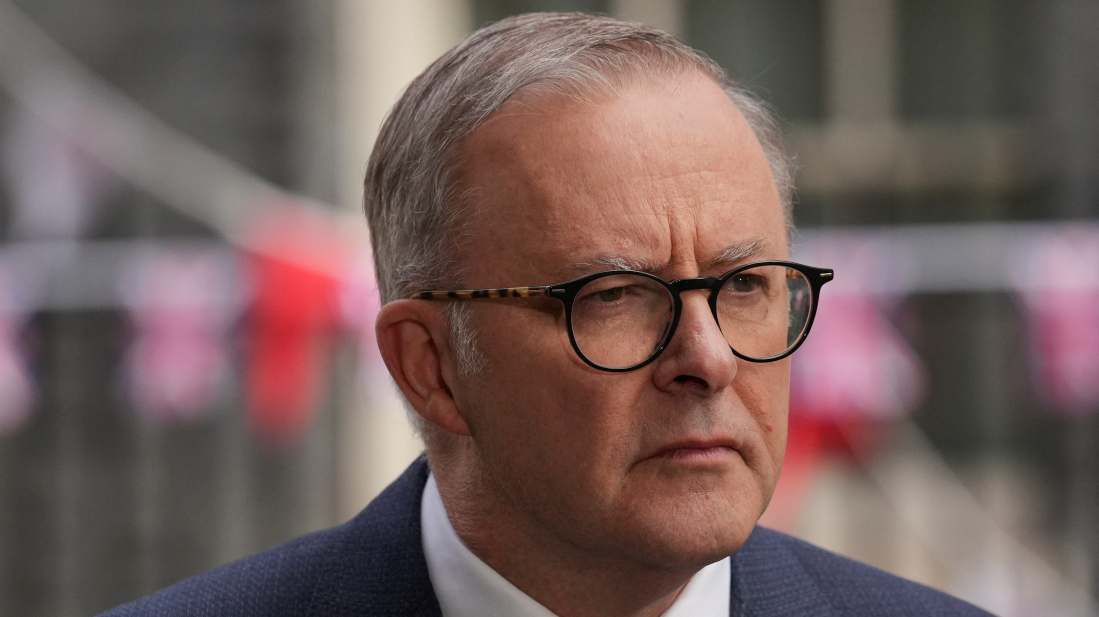
Australia is set to begin negotiations on a new security and defence partnership with the European Union, while also pushing for a long-anticipated trade agreement, Prime Minister Anthony Albanese announced at the G7 summit.
The agreement, discussed during his meetings with EU leaders Ursula von der Leyen and Antonio Costa at the G7 summit, would focus on areas such as defence industry collaboration, cyber security, and counter-terrorism, without including military deployment commitments.
Albanese emphasized that the agreement would strengthen cooperation and enable potential joint defence procurement, underlining growing security ties between Europe and the Indo-Pacific. EU officials have clarified that the arrangement would not constitute a military alliance, similar to existing partnerships with Japan and South Korea.
"We see this as an important framework for our current and future cooperation in areas like defence industry, cyber and counter-terrorism," he said.
Albanese also expressed optimism about the resumption of negotiations on a free trade agreement with the EU. He noted that around half of the pending issues have been resolved, but highlighted Australia's interest in expanded market access for its beef and sheep exports.
"Both of us emphasised that at this time it's the substance that's important. But it's also symbolically important to see an outcome of an expansion of trade," the Australian Prime Minister announced.
On the sidelines of the summit, Albanese also held discussions with senior U.S. trade officials following the early departure of President Donald Trump, which led to the cancellation of their scheduled meeting. Australia has been advocating for the removal of U.S. tariffs, emphasizing its rich supply of critical minerals.

Germany’s foreign intelligence service secretly monitored the telephone communications of former U.S. President Barack Obama for several years, including calls made aboard Air Force One, according to an investigation by the German newspaper Die Zeit.
Israeli media report that Israeli Prime Minister Benjamin Netanyahu chaired a lengthy security meeting that reportedly focused on the country’s regional threats, including Gaza, Lebanon, and Iran.
Denmark’s Prime Minister Mette Frederiksen has urged U.S. President Donald Trump to abandon comments suggesting the United States should take over Greenland, calling the idea baseless and unacceptable.
U.S. President Donald Trump said on Sunday (4 January) that the United States could carry out further military action in Venezuela following the capture of President Nicolás Maduro. Speaking to reporters aboard Air Force One, he said Washington now effectively controls the country.
At the end of last year, U.S. President Donald Trump was reported to have raised the Azerbaijan–Armenia peace agenda during a conversation with Israel’s prime minister, warning that if peace were not achieved, Washington could raise tariffs on both countries by 100 percent.
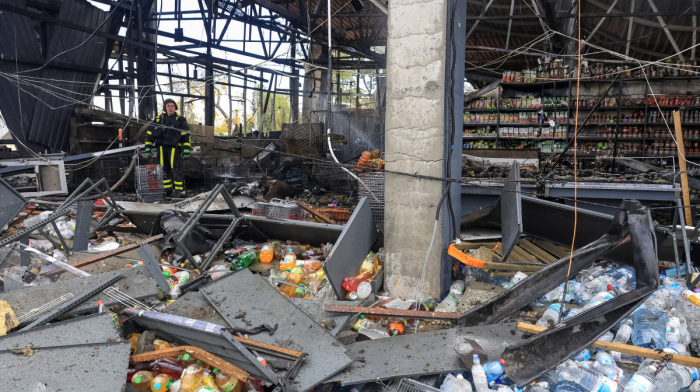
International law remains codified through treaties, charters, and resolutions, but enforcement depends largely on political will. When major powers choose not to comply, there is no global authority capable of compelling implementation.
President Ilham Aliyev has said Azerbaijan is not considering participation in any combat or peace enforcement mission in the Gaza Strip, stressing that any discussion of involvement depends on a clearly defined international mandate, the nature of the mission, and the consent of all parties.
Iran has denounced the U.S. detention of Venezuelan President Nicolás Maduro, describing the operation as an ‘abduction’ and calling for his immediate release.
The speaker of Georgia’s parliament, Shalva Papuashvili, has questioned the European Union’s ability to act as a global geopolitical power, saying it no longer functions as a guarantor of international order.
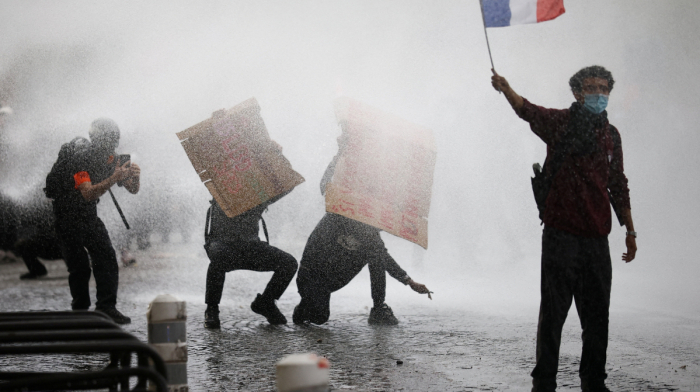
In late December 2025, protests erupted across Iran after the rial collapsed and inflation soared. Unrest spread from Tehran’s Grand Bazaar as citizens expressed frustration over rising prices, economic hardship, and long‑standing grievances with government policies.
You can download the AnewZ application from Play Store and the App Store.
What is your opinion on this topic?
Leave the first comment