



12:59 CET
Middle East conflict
live Saudi Aramco building attacked, limited fire reported
A building at Saudi Aramco’s headquarters in ...
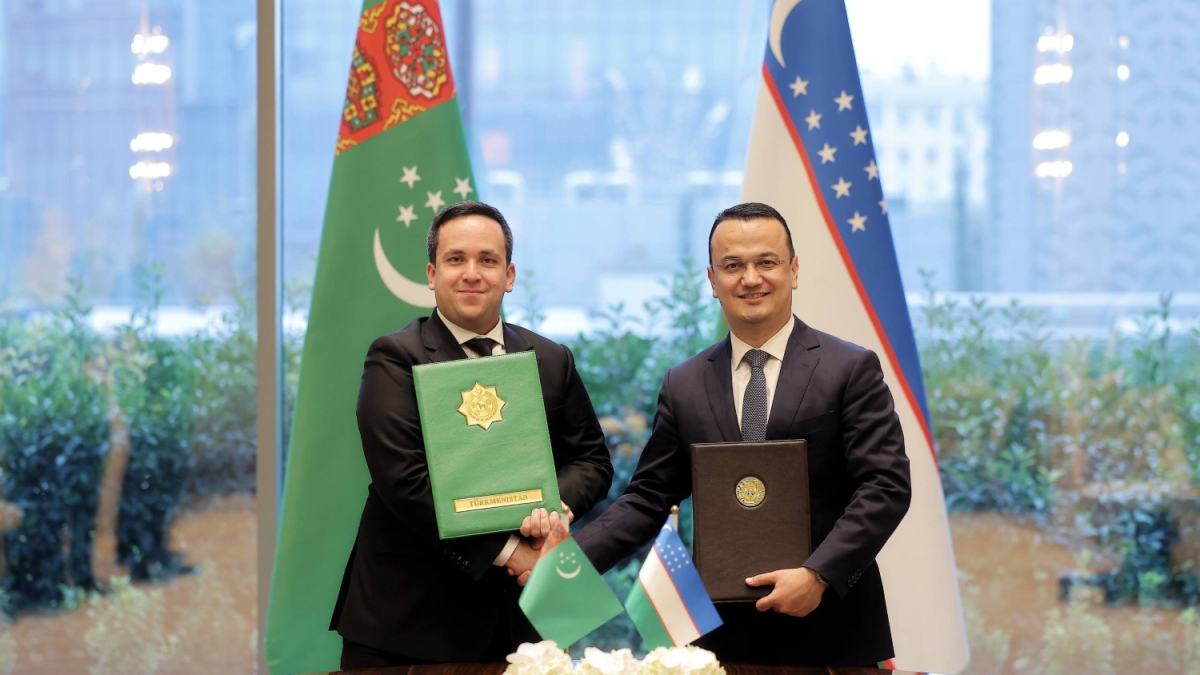


The governments of Uzbekistan and Turkmenistan have launched a new visa-free border trade zone at Shavat–Dashoguz that allows mutual visa-free movement for their citizens.
The move underscores Uzbekistan’s broader drive this year to liberalise entry rules and attract foreign visitors and investment.
The six-hectare border trade and service, permits citizens of both countries to enter without a visa for short-term stays, including trade and tourism activities.
The zone includes customs and warehouse infrastructure and is intended to enhance regional commerce and cross-border mobility.
As part of its 2025 entry-policy reforms, Uzbekistan enacted a mutual visa-free regime with China effective 1 June 2025, allowing citizens of each country to stay for up to 30 days.
In October 2025 the government introduced a 30-day visa-free regime for citizens of Bahrain, Saudi Arabia, Oman, Qatar, Kuwait and Jordan, and extended the Chinese visa-free stay period from seven days to 30 days.
In addition to that, a Presidential decree issued in November confirmed that U.S. citizens will be eligible for visa-free entry to Uzbekistan for up to 30 days from 1 January 2026.
Officials describe the visa changes as a deliberate strategy to position Uzbekistan as an open destination for tourism, business and foreign direct investment.
The border zone with Turkmenistan is expected to boost trade in goods and services between the two countries, and the expanded visa-free regimes aim to attract new visitors from Asia, the Middle East and North America.
Analysts note that simplifying entry contributes to infrastructure investment, hospitality growth and increased regional connectivity.
Uzbek authorities are simultaneously working to streamline customs, border-service processes and transport links to handle the expected rise in cross-border flows. The Turkmen-Uzbek zone is presented as the first phase of a larger programme of border-economic cooperation.
The government plans to continue negotiating visa facilitation with more countries and to adjust stay-durations and processing times accordingly.

A building at Saudi Aramco’s headquarters in ...

Russian strikes killed ...
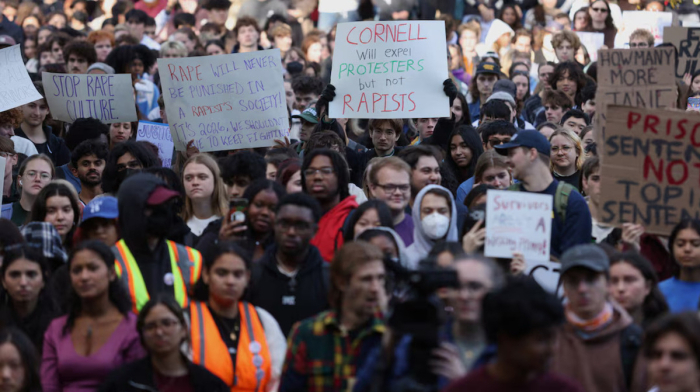
Cornell University has prohibited parties and social gatherings at fraternity houses for the remainder of the academic year following allegations o...

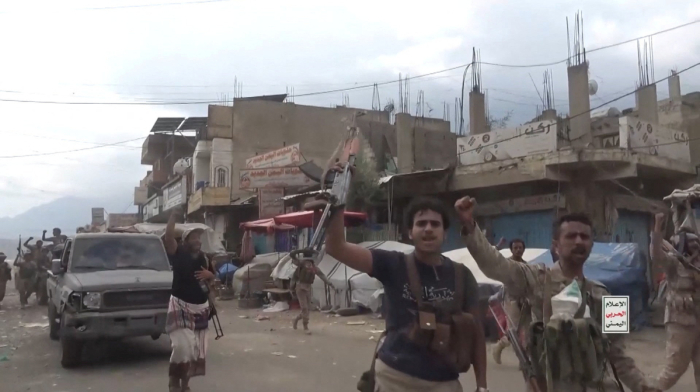
One person was killed and nearly a dozen hurt in a fresh attack on Riyadh's international airport on Sunday, Saudi authorities reported, a day after a strike claimed by Yemen's Houthis killed 13 people and wounded more than 300.
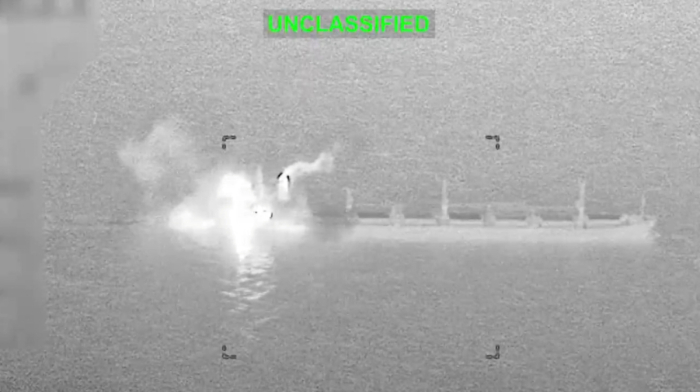
The Saudi-led coalition in Yemen said late Monday that it intercepted and destroyed two ballistic missiles launched by the Houthi group toward Khamis Mushait in southwestern Saudi Arabia.
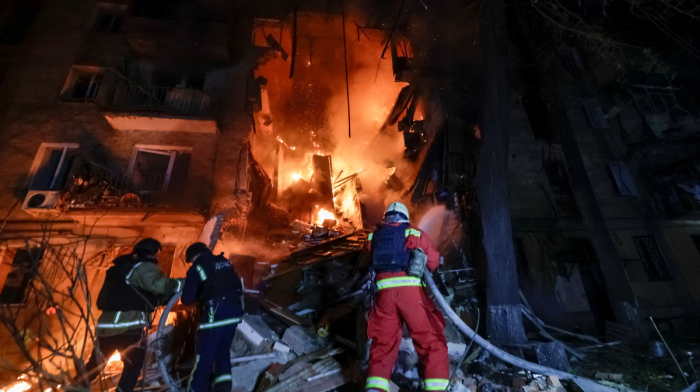
Ukrainian President Volodymyr Zelenskyy says Russia hit at least six energy targets in deadly strikes across Ukraine, showing Moscow is unwilling to accept the energy ceasefire announced by U.S. President Donald Trump.
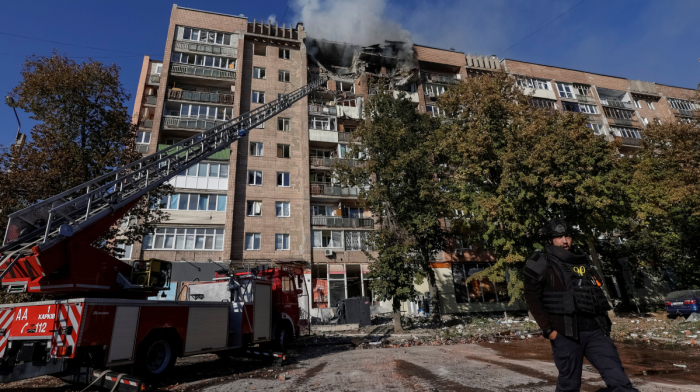
The Kremlin on Monday rejected a 60-day ceasefire idea proposed by Ukrainian President Volodymyr Zelenskyy to allow his country to hold presidential elections, saying it wanted an overall peace deal instead.
A building at Saudi Aramco’s headquarters in the eastern city of Dhahran was attacked late Tuesday, causing a limited fire, Saudi Arabia’s Energy Ministry said on Wednesday. The incident came as fighting between the kingdom and Yemen’s Iran-allied Houthi group intensify.
A building at Saudi Aramco’s headquarters in the eastern city of Dhahran was attacked late Tuesday, causing a limited fire, Saudi Arabia’s Energy Ministry said on Wednesday. The incident came as fighting between the kingdom and Yemen’s Iran-allied Houthi group intensify.
The Saudi-led coalition in Yemen said late Monday that it intercepted and destroyed two ballistic missiles launched by the Houthi group toward Khamis Mushait in southwestern Saudi Arabia.
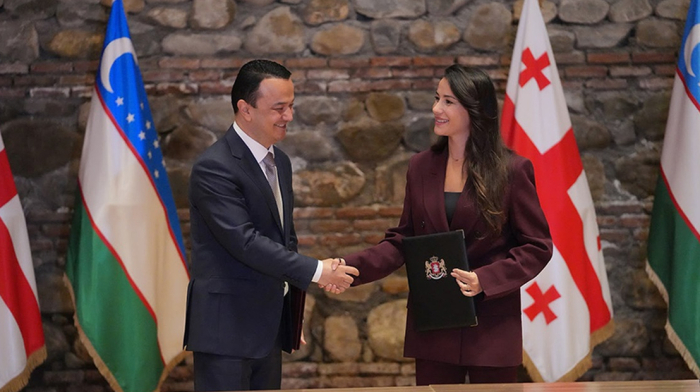
Georgia and Uzbekistan are aiming to nearly quadruple annual trade to $1 billion, up from $267.6 million in 2025, as the two countries seek to strengthen economic ties and expand transport links.

Iran has warned against the military use of Starlink, saying it has developed domestic technology capable of countering cyber threats linked to the satellite internet service.
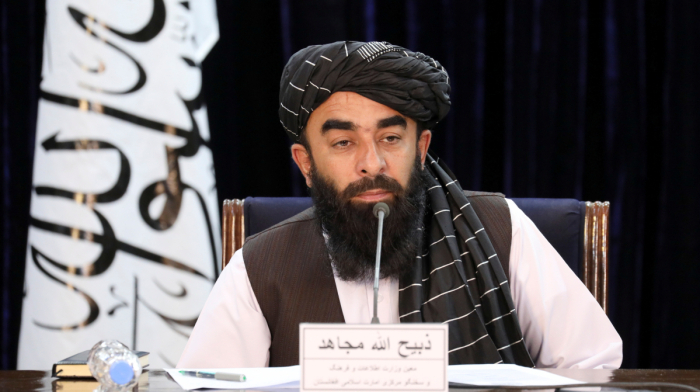
Afghanistan has accused Pakistan of blaming Kabul for its domestic political and security problems, as Islamabad repeated claims that militants are using Afghan territory to launch attacks across the border.
You can download the AnewZ application from Play Store and the App Store.




What is your opinion on this topic?
Leave the first comment